Portuguese
  Spanish


In Bangwe, organic waste turned into fertilizer and daily income for women previously marked by the stigma of garbage and discrimination
In Bangwe, Blantyre, Malawi, women joined a circular economy initiative to convert organic materials into fertilizer and enhance resource utilization for local agriculture. The change connected composting, daily income, and community organization in a routine previously marked by shame and exploitation.
The information was published on January 12, 2026 by UNDP Malawi, the UN development program in Malawi. The case involves training in waste management, recycling, fertilizer production, and financial organization among women who already lived off collecting discarded materials.
The central point is not just the collected waste. The strength of the story appears when a job seen as a reason for humiliation is treated as an environmental activity, with income and more dignity for women who previously worked alone.
-
Archaeologists Uncover 40,000 Roman Bronze and Copper Coins from the 3rd Century in Fire-Destroyed French Neighborhood

-
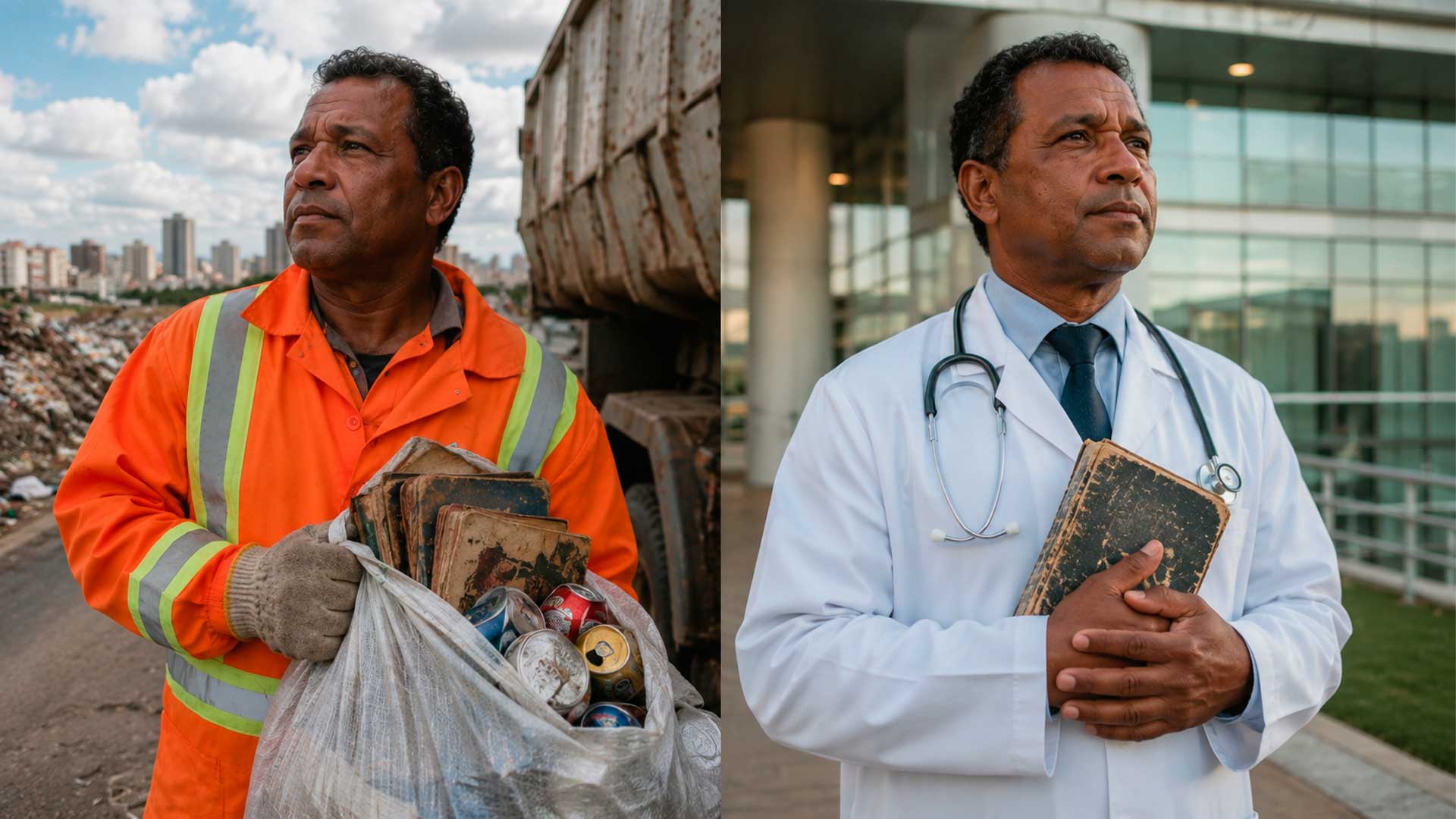
From Collecting Trash in Brazil to Becoming a Doctor: Cícero’s Journey with a Full Scholarship

-
Henry Ford’s Abandoned Amazon Town Faces Daily Fines as Brazil Seeks to Preserve Fordlândia Ruins
-
Brazilian Scientist Wins $100,000 for Decoding Bird Songs That Convey Identity and Social Information



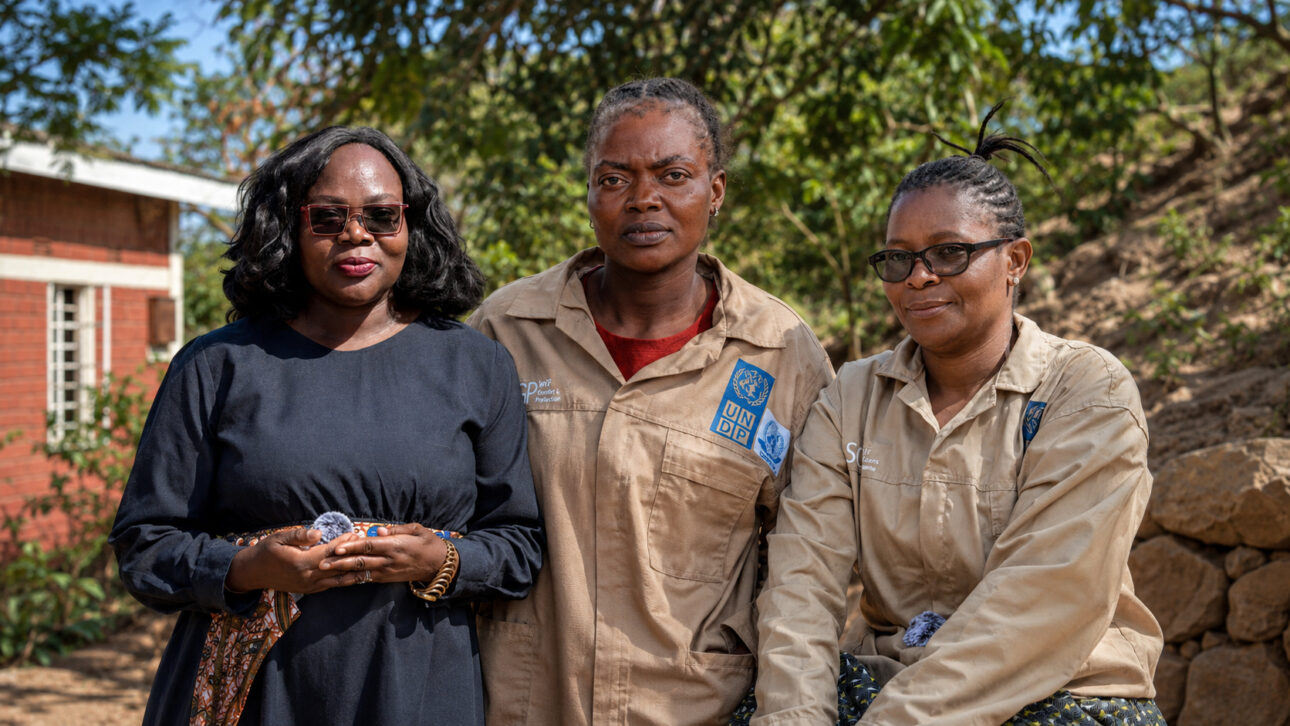
The garbage that once caused shame began to generate income in Bangwe
Bangwe dealt with waste without proper collection in markets, streets, and circulation areas. Banana peels on the ground, plastic in drainage channels, and accumulated garbage were part of the daily problem in Blantyre.
This scenario affected women who depended on waste collection for survival more strongly. Many were ridiculed by their own community, even while performing work related to cleaning, recycling, and material reuse.
The change began when these women stopped working only in isolation. With support and training, part of the organic waste started to be seen as material capable of becoming fertilizer, instead of just being discarded.
This situation resembles the reality of many waste pickers and workers in recycling. The service is essential to reduce waste in cities, but it still carries social stigma, low appreciation, and little protection.
How composting changed the routine of the women of Bangwe
Composting is a simple process to understand: organic waste, such as peels and vegetable leftovers, are separated and turned into fertilizer. This fertilizer can be used in the soil and can also generate income when it finds buyers.
UNDP Malawi, the UN development program in Malawi, detailed the training of women in proper waste management, recycling, and fertilizer production. The action also involved organizing groups to strengthen collective work.
In practice, waste stopped being just scattered dirt. A portion of the waste began to have a useful destination, with separation between materials that spoil quickly and materials that do not spoil quickly.
This change matters because it reduces waste and improves the routine of those who work with waste. Instead of walking long distances in search of discarded materials, the women started working with tools, guidance, and task division.
Alice Dickson joined a collective of 25 women and started producing fertilizer with other workers
Alice Dickson, a resident of Mvula, in Bangwe, was already working with waste collection before the project. She made long trips to find discarded materials and sold what she could for small amounts.
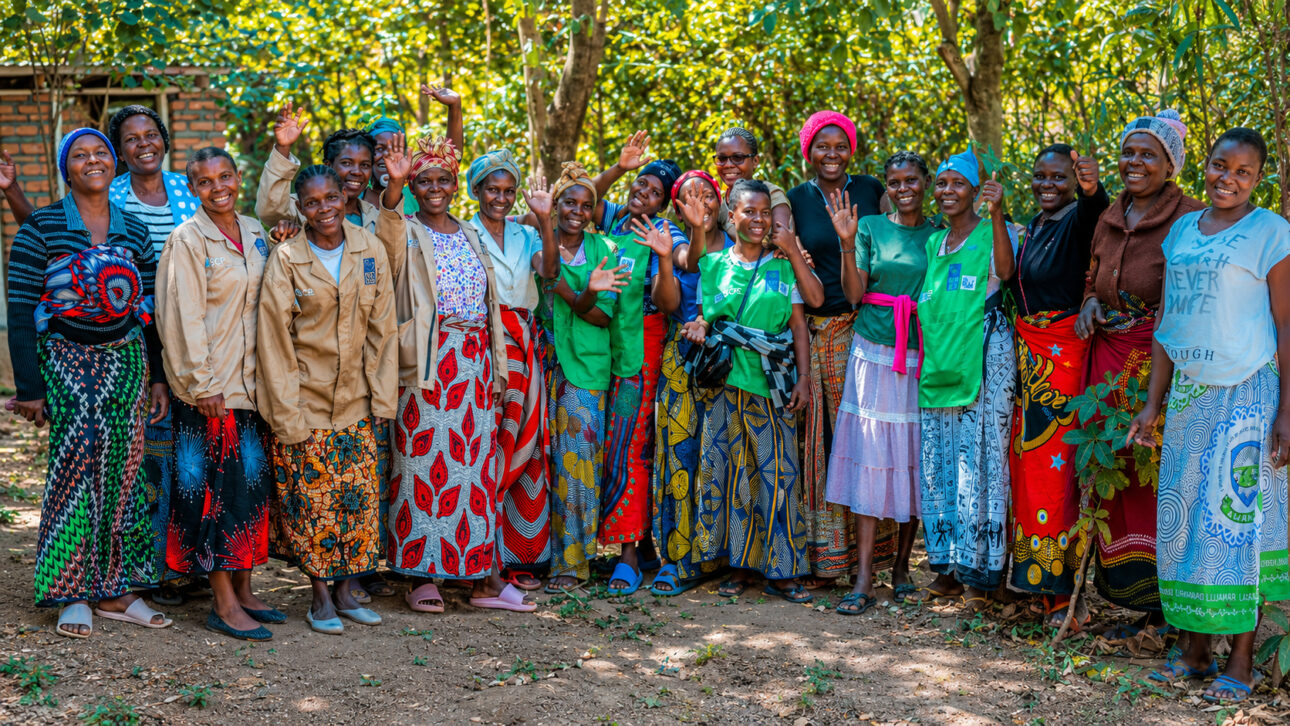
After the training, Alice stopped working alone. She became part of a collective of 25 women that transforms organic waste into fertilizer, earns a daily income, and participates in a community savings group.
This savings group functions as a way to pool money together. The goal is to provide more financial security to the participants and help grow activities related to waste reuse.
The case shows that the gain was not just environmental. The group organization also changed how these women moved around the community, with more confidence and less isolation.
Market cleaning gained strength, but the project did not solve Blantyre’s waste alone
The case of Bangwe shows a concrete change in spaces where there was waste accumulation. A market once marked by scattered banana peels began to be kept cleaner with the action of organized women.
Even so, it is important not to overstate the project’s reach. The experience strengthened cleaning in serviced areas and improved the lives of involved workers, but it does not mean that the entire waste problem in Blantyre has been solved.
The difference lies in the model created. Collection, sorting, and composting began to be done with more organization, which reduced some waste and gave new value to organic material.
This editorial care is essential. The story is strong because it shows a local transformation, not because it presents a magical solution to all urban waste problems.
The social stigma weighs on those who work with waste and also appears in Brazil
Those who collect garbage, sort recyclable materials, or work with composting often face prejudice. In Bangwe, women were looked down upon for dealing with waste, even when this work helped the community.
In Brazil, this perspective also makes sense. Waste pickers, recycling cooperatives, and urban composting projects help reduce the waste that goes to landfills but still face invisibility.
The problem is not just in the waste. It is also in the way society looks at those who do this service. When the activity gains organization, income, and recognition, the work stops being treated as shameful and starts being seen as part of the environmental solution.
Therefore, the experience of Bangwe touches on a sensitive point: dignity in waste work. Income matters, but social respect also changes the lives of those who were previously humiliated by the role they performed.
What Brazilian cities can learn from the experience in Malawi
The first lesson is simple: organic waste does not need to be treated only as garbage. When there is proper separation, part of this material can become fertilizer and feed small income cycles.
The second lesson is in collective organization. Women in Bangwe gained more strength when they started working in groups, with training and community savings. This format is similar to the logic of cooperatives and associations that already exist in Brazilian cities.
The third lesson involves respect. Environmental projects that ignore the reality of those who live off collection tend to exclude precisely the people who know the waste of the streets, markets, and neighborhoods best.
For Brazilian cities, the experience serves as a warning. Urban composting, recycling, and the inclusion of waste pickers can go hand in hand when public authorities, social organizations, and communities treat the issue seriously.
The story of Bangwe shows that organic waste can have another destination when there is training, organization, and recognition. Women who were once ridiculed began to produce fertilizer, generate daily income, and participate in a collective support network.
The case also shows that keeping cities clean depends on people who are often overlooked. When waste workers are given tools and respect, trash stops being just a problem and can become a local opportunity.
Do you think Brazilian cities should invest more in community composting and recycling cooperatives? Share your opinion or share this story with those who follow simple and real environmental solutions.