Portuguese
  Spanish


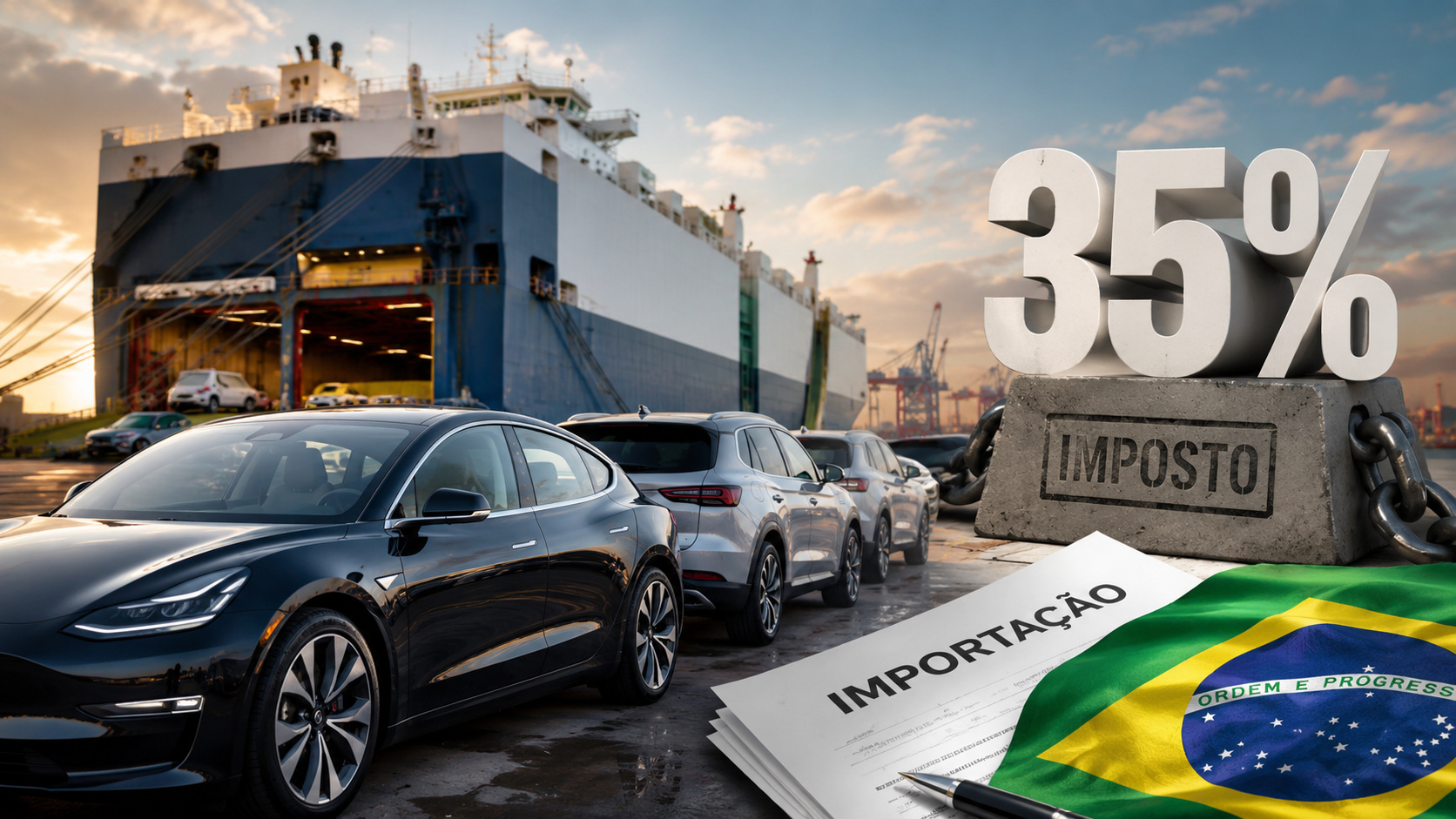

Imported electric and hybrid cars now subject to 35% tax, increasing pressure on prices and local production in Brazil.
Starting this Wednesday, July 1, 2026, the Brazilian market for imported vehicles enters a new phase of tax pressure. According to Poder360, the Import Tax for electric vehicles assembled abroad rises from 25% to 35%, as per the schedule defined by Gecex-Camex and announced by MDIC.
The change also affects part of the semi-knocked down electrified vehicles, known as SKD, which will have a tariff of 35% above the authorized quota limits with zero rate, according to Agência Brasil. In practice, the measure may affect prices, import strategies, local production plans, and the speed of expansion of electrified cars in the country.
35% tax on imported electrified cars marks the end of the cheaper phase for electric and hybrid cars from abroad
The rate increase ends a transition phase opened after the gradual resumption of the Import Tax on electrified cars. According to Poder360, electric vehicles assembled abroad will rise from 25% to 35% starting July 1, 2026, reaching the full rate as per the official schedule.
-
Rio de Janeiro Buses Stop Accepting Cash: How to Pay and Maintain Fare Integration

-
Toll Fees in São Paulo’s Countryside Drop by Up to 50% Starting Today

-
Petrobras Invests $2.3 Billion in Brazilian Coastal Shipyards, Creating Over 5,000 Jobs and Revitalizing the Naval Industry

-
$2.5 Billion Amazon Potash Mine Aims to Reduce Brazil’s 95% Import Dependency


The measure directly affects vehicles brought ready from other countries, especially electric and hybrid models that have been gaining ground in the Brazilian market. The most immediate effect tends to appear in the cost of nationalizing these automobiles, although each automaker may absorb, pass on, or reorganize part of this impact differently.
For the consumer, this creates an environment of uncertainty about prices, available versions, and the pace of stock renewal.
SKD models come into focus because final assembly in Brazil has become a key piece in the dispute between importation and local production
The acronym SKD, for Semi Knocked Down, identifies vehicles sent partially assembled to Brazil for final assembly stages in local factories. According to Poder360, in the SKD system, the automobile arrives in subassemblies and requires the joining of parts and final production stages in the country.
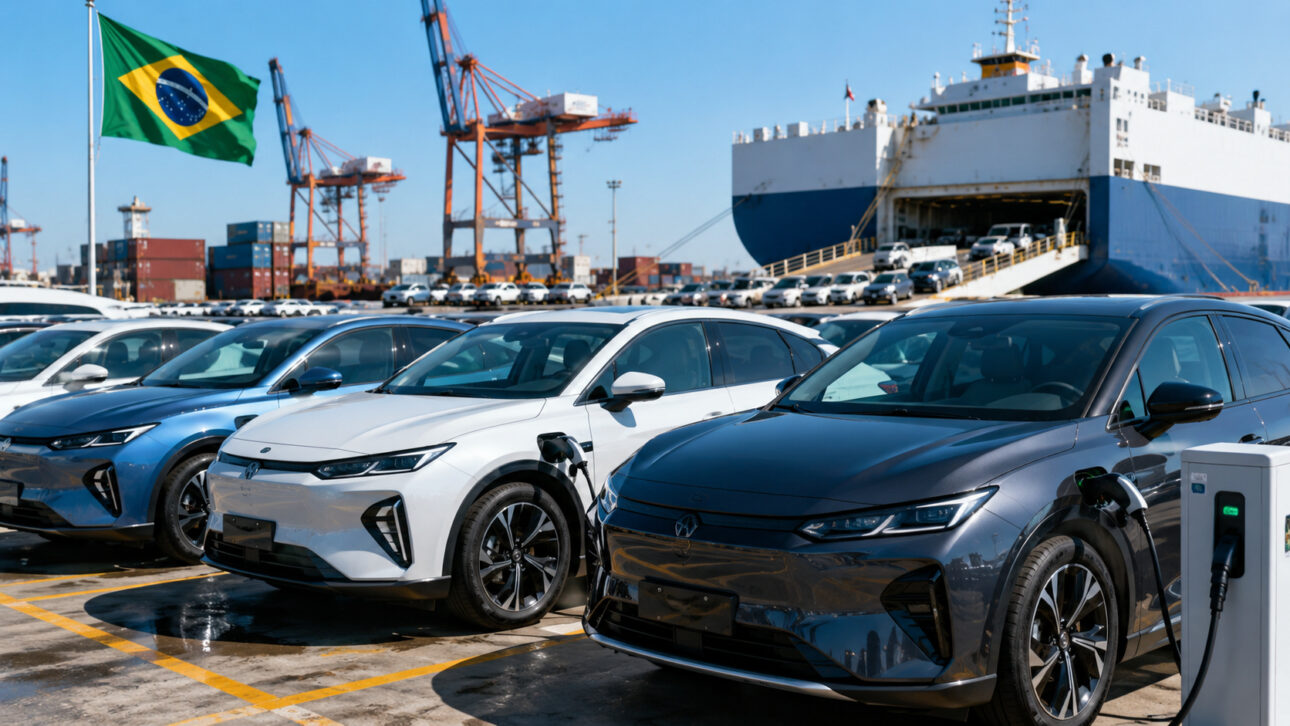
According to Agência Brasil, semi-dismantled electrified vehicles will have a 35% tariff starting in July, while CKD models, completely dismantled, will continue with a 14% rate until the end of 2026 and will also rise to 35% in January 2027.
This difference is important because it separates the fully imported car, the semi-dismantled car, and the dismantled car into distinct industrial regimes.
The greater the assembly process in Brazil, the stronger the argument tends to be for productive densification, job creation, and local supply chain formation.
Quota of US$ 463 million with zero tax creates temporary relief but does not eliminate market pressure
Despite the tariff increase, Gecex-Camex approved an import quota with zero rate for electrified vehicles in CKD and SKD regimes. According to Agência Brasil, this quota will be valid for six months from July 1st and limited to US$ 463 million.
The rule means that part of the dismantled and semi-dismantled vehicles can enter the country without Import Tax within the authorized limit. Above this ceiling, according to Agência Brasil, the official schedule tariffs continue to apply, with 35% for SKD and 14% for CKD until the end of 2026.

In practice, the quota functions as a temporary bridge for companies that are structuring production in Brazil. But it also opens up competition in the sector, as manufacturers already established may see the measure as an advantage for competitors still relying on imported kits.
Government defends industrial transition, but industry sees risk of distortion in the Brazilian market
According to MDIC, Gecex-Camex decided in 2025 to bring forward the end of the tariff schedule for imported electric and hybrid vehicles, with the resumption of the 35% tariff for all vehicles coming from abroad starting in January 2027. The agency stated that the decision aimed to align the tariff policy with the expected investments in the national automotive sector.
The government maintains that the policy seeks to balance energy transition, national production, and technological renewal. According to Agência Brasil, Gecex stated that the measure is linked to fleet renewal, innovation, and reduction of carbon emissions in the automotive sector.
According to Agência Brasil, the association Anfavea stated that maintaining quotas with a zero rate could harm manufacturers established in the country, workers, and national auto parts companies.
Consumers may feel the impact on prices, available versions, and the pace of arrival of new electrified models
The increase in Import Tax does not automatically mean that all cars will rise exactly in the same proportion. The final price depends on exchange rates, stock, margin, commercial strategy, imported volume, assembly regime, and the decision of each manufacturer.
Even so, the 35% rate creates an objective pressure on models brought ready from abroad. For brands without consolidated local production, the cost of competing may increase, especially in more sensitive price ranges, where any adjustment directly affects the purchase decision.
The Brazilian consumer enters a phase where the imported electrified car may become more restricted, more expensive, or more dependent on occasional promotions. At the same time, the policy may accelerate the nationalization of assembly lines, especially among companies betting on Brazil as a regional production base.
The new phase of imports places Brazil before a choice between protecting the industry and maintaining access to cheaper technologies
The case of electrified cars exposes a classic tension in industrial policy: protecting local production or keeping the market open to accelerate access to new technologies. The 35% tariff, according to the official schedule cited by MDIC, reinforces the objective of stimulating assembly and manufacturing in Brazil.
But electrification is still a market in formation in the country. If the tax makes the entry of competitive models too expensive, the advancement of electric and hybrid vehicles may slow down just when consumers are beginning to consider switching to lower emission technologies.
From now on, the competition will not only be between brands. It will be between two paths for the Brazilian automotive sector: import quickly to popularize the technology or require local production to transform the energy transition into industry, employment, and a national supply chain.