






 Portuguese
  Spanish


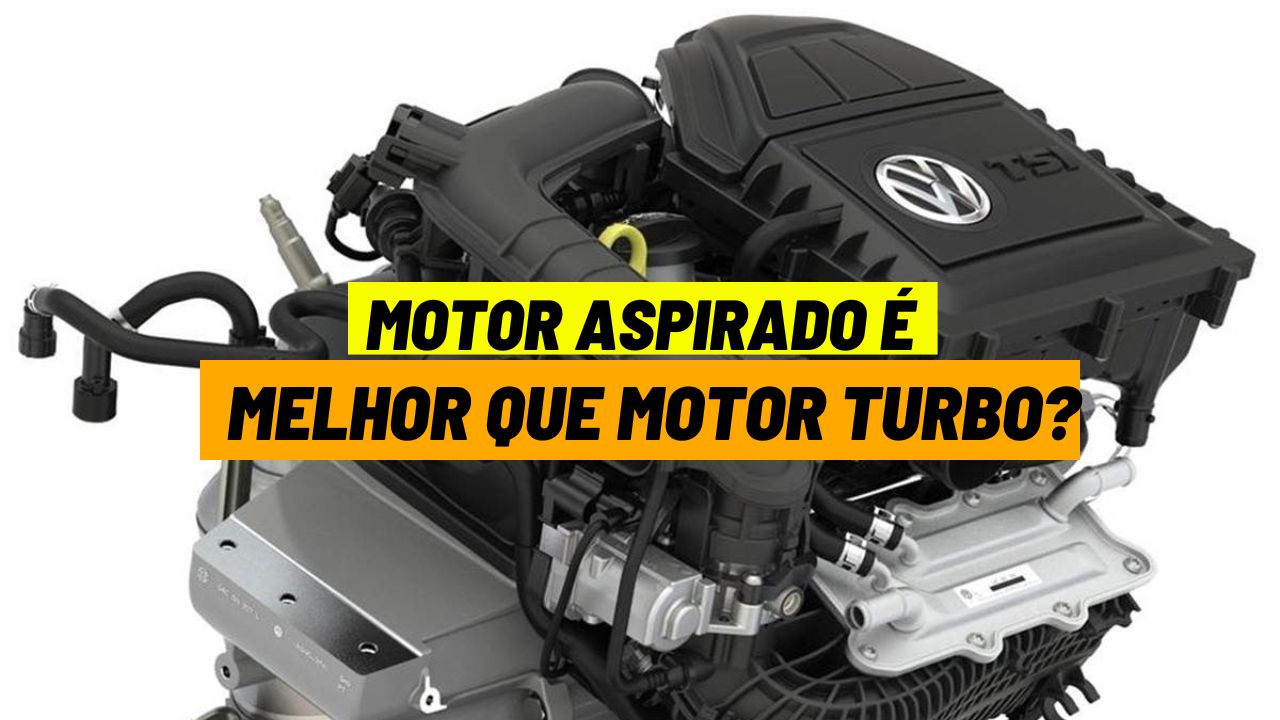

Understand How The Naturally Aspirated Engine Works, Its Advantages And Limitations. Discover Why This Technology Still Equips Many Cars In Brazil And When It Is The Best Choice For Drivers.
The Naturally Aspirated Engine continues to be present in several cars sold in Brazil, even with the popularization of more modern technologies, such as the turbo engine. But what is it, who uses it and why is it still so relevant in the automotive market?
This traditional and efficient technology is capable of offering durability and simpler maintenance, being a reliable choice for daily use vehicles.
The naturally aspirated engine works directly: it draws air into the cylinders only by atmospheric pressure, without the aid of turbochargers or superchargers.
-
Rolls-Royce Turns Heads with 30-Inch Floating Wheels, 6.6-Liter V12 Engine, and 563 Horsepower

-
2019 Kia Sportage EX: A Spacious and Cost-Effective SUV with 2.0 Flex Engine and Panoramic Roof
-
Fiat Strada Becomes Top Seller in June, Surpassing Onix, Polo, Hilux, and T-Cross with 107 HP Engine and 732 km Range.

-
Suitcase-sized hydrogen engine spins at 25,000 rpm, nearly doubling the efficiency of conventional cars and replacing exhaust smoke with water vapor


This simplicity ensures fewer moving parts and, consequently, a lower risk of mechanical failures.
How Does The Naturally Aspirated Engine Work?
In the Naturally Aspirated Engine, air enters the cylinder during the downward movement of the piston, being mixed with fuel before combustion.
Unlike turbo engines, which force air into the cylinders, the naturally aspirated engine relies exclusively on natural pressure.
This characteristic directly influences performance: while turbocharged engines offer more power in smaller displacements, the naturally aspirated engine provides a more linear and predictable delivery of power.
This smoothness is appreciated by those who seek a car with reliable response and no surprises in daily maneuvers.
Advantages Of The Naturally Aspirated Engine
The Naturally Aspirated Engine has some important advantages:
- Durability: fewer complex components mean less wear and simplified maintenance.
- Cost-effectiveness: vehicles with this engine often have a more accessible starting price.
- Performance Predictability: power delivery is linear, ideal for urban driving.
- Lower Specific Parts Consumption: without turbochargers or additional systems, the car requires fewer complex revisions.
For these reasons, many compact and mid-size models still use this technology, even in an increasingly turbocharged market.
Limitations
Despite the advantages, there are some limitations compared to more modern systems:
- Limited Power: even with larger displacements, it rarely matches the performance of an equivalent turbo engine.
- Higher Consumption At High Speeds: to generate more power, it is often necessary to increase engine speed, raising fuel consumption.
- Lower Efficiency At High Altitudes: reduced atmospheric pressure hinders air intake, decreasing power.
These factors explain why many manufacturers opt for turbo engines in higher-performance cars or premium vehicles.
Even with technological evolution, the Naturally Aspirated Engine is not going to disappear anytime soon.
It continues to serve the audience that values reliability, cost-effectiveness, and simple maintenance.
Manufacturers like Fiat, for example, still offer models equipped with naturally aspirated engines, reinforcing the preference of many consumers for this solution.
Experts emphasize that the choice between naturally aspirated and turbo engines depends on the driver’s profile: those who prioritize economy and lower complexity tend to prefer the naturally aspirated, while those seeking power and acceleration opt for the turbo.
The Naturally Aspirated Engine maintains its space in the automotive market by combining simplicity, durability, and predictable performance.
Although it does not compete in power with turbo engines, it remains the choice of many Brazilians seeking safety, economy, and practical maintenance in their vehicles.








I’ve been following your blog for some time now, and I’m consistently blown away by the quality of your content. Your ability to tackle complex topics with ease is truly admirable.