Portuguese
  Spanish


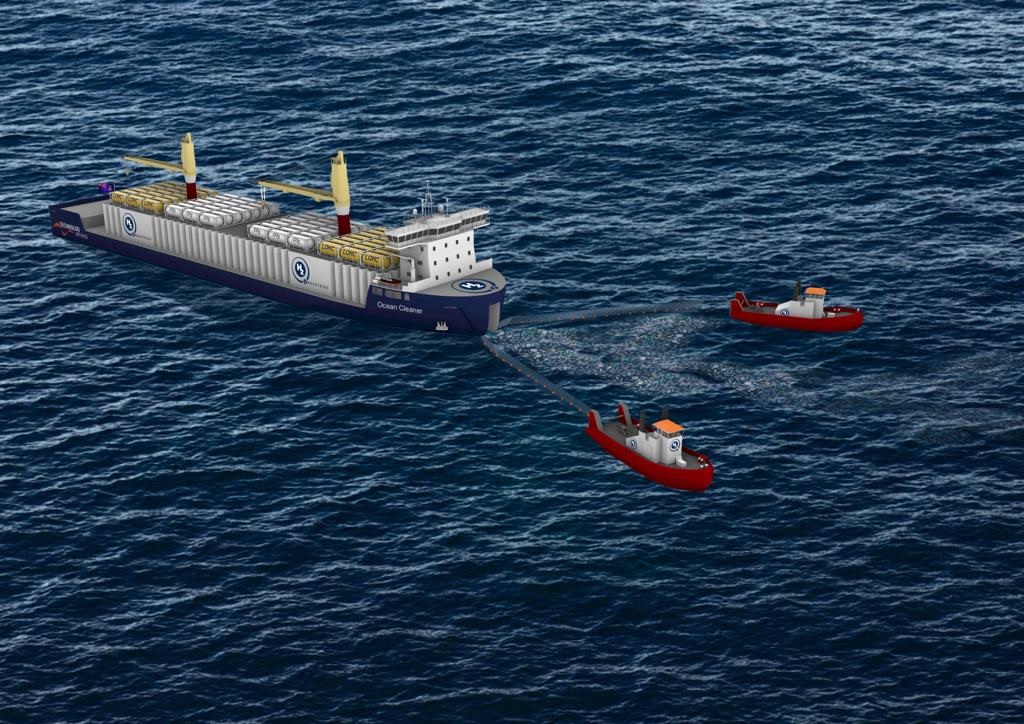

Designed Ship for Collecting Plastic in the Ocean May Be a New Powerful Weapon Against Sea Pollution. Collected Waste Will Be Converted into Hydrogen
Industries and governments around the world have increased the level of ocean pollution over the past decades. This action has generated a series of consequences for the environment. According to the United Nations (UN), about 800 species living in different locations on the planet will be affected by debris that has been thrown into the sea. Aiming to reduce the impact of this problem, a ship is being designed to collect plastic materials from the sea and then convert it into clean hydrogen.
The ship designed to collect plastic from the oceans is the result of a partnership between the hydrogen generation and energy storage solutions company, H2-Industries, and the German company TECHNOLOG Services. The ship’s design indicates that it will be at least 150 meters long, but it could be even larger.
The companies’ idea is for the ship to travel at a speed of four knots, which corresponds to approximately 7.40 km/h. The ship will travel accompanied by two smaller vessels that will be responsible for carrying the net that will collect plastics.
-
The man who started in construction with his own house founded a company in 1957, went through a banking crisis in 1987, and ended up connected to 16,500 houses in Houston.

-
Starnav orders 10 hybrid vessels with German MTU engines in Itajaí and prepares fleet to serve Petrobras in the pre-salt for 12 years.

-
The Rio Grande Shipyard receives 11,000 tons of steel from Indonesia and resumes welding the first Handymax vessels for Transpetro after years of inactivity.
-
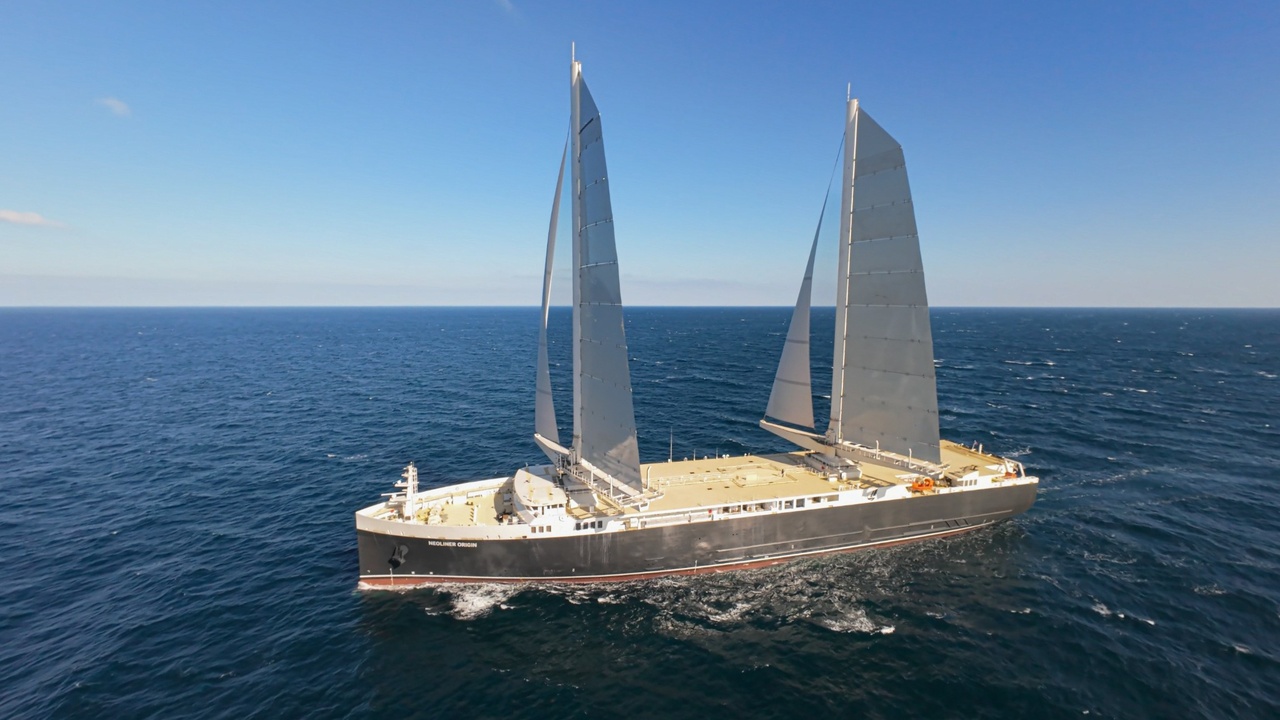
With two giant sails instead of relying solely on the engine, a modern cargo ship crosses the Atlantic carrying cars, forklifts, and goods to test less diesel in maritime transport.

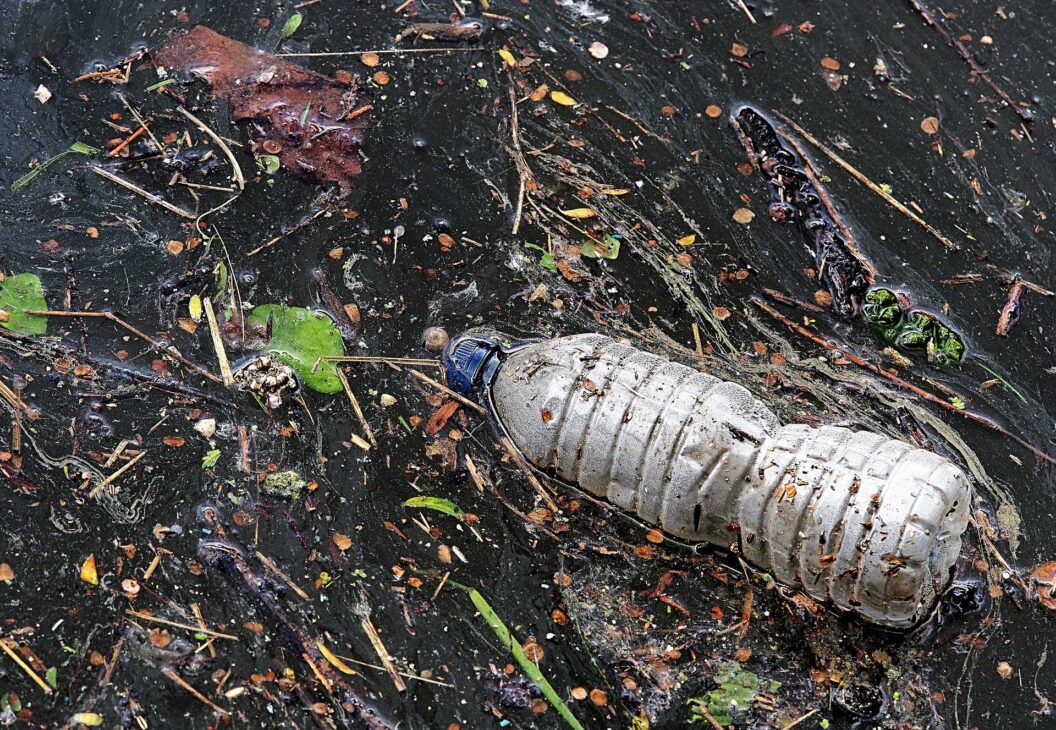
The collected plastics will be transformed into hydrogen. The companies believe that for every 600 kg of waste collected, about 100 kg of hydrogen can be produced and stored. Containers holding the hydrogen will be transferred from the ship to smaller vessels to be delivered on land. Since it is produced from plastic removed from the ocean, the hydrogen produced is considered “beyond green” or “greener than green.”
“It is becoming increasingly clear that the maritime industry can have a positive impact on reducing global emissions. At H2-Industries, the plan is to help decarbonize the industry and energy generation, cleaning our water resources and converting pollutants into a source of energy. To achieve this, we are seeking investors. Once the investment is ready, we expect each ship to be built in about 24 months,” said Michael Stusch, CEO of H2-Industries.
A rotary furnace will have the capacity to handle 600 kg of waste per hour. The design indicates that the ship should be capable of matching the speed at which waste is collected. The expectation is that the ship will operate for one year in one location collecting waste.
Only after this period will it move to another location to collect more plastics. To prevent marine life from being harmed during the waste collection process, the ship will be equipped with the same technology used in the desalination industry.