






 Portuguese
  Spanish




Nations That Bet on Diplomacy and Development to Ensure Security Is a Complete Incoherence?
In an increasingly militarized world, some countries have dared to take a different path: giving up armies, navies, and air forces and focusing on diplomacy and international agreements to ensure their sovereignty. This bold choice allows them to allocate more resources to areas such as education, health, and infrastructure, promoting internal development and reinforcing their image as peaceful nations.
Oasis of Peace?: Learn About Countries Without Armed Forces
Meet 5 countries that live without an army, navy, or air force, prioritizing strengthening alliances and the peaceful resolution of conflicts to ensure their national security:
1st Costa Rica: Abolished its armed forces in 1948 and redirects resources to education and health. It relies on U.S. support for its defense if necessary.
-
European Parliament Approves Digital Euro, Aiming to Challenge Visa and Mastercard’s Dominance and Transform Payments Across Europe by 2029

-
U.S. Navy’s Ticonderoga-class Cruiser Becomes a 9,800-Ton Missile Fortress with Advanced Aegis System Capable of Tracking Hundreds of Targets

-
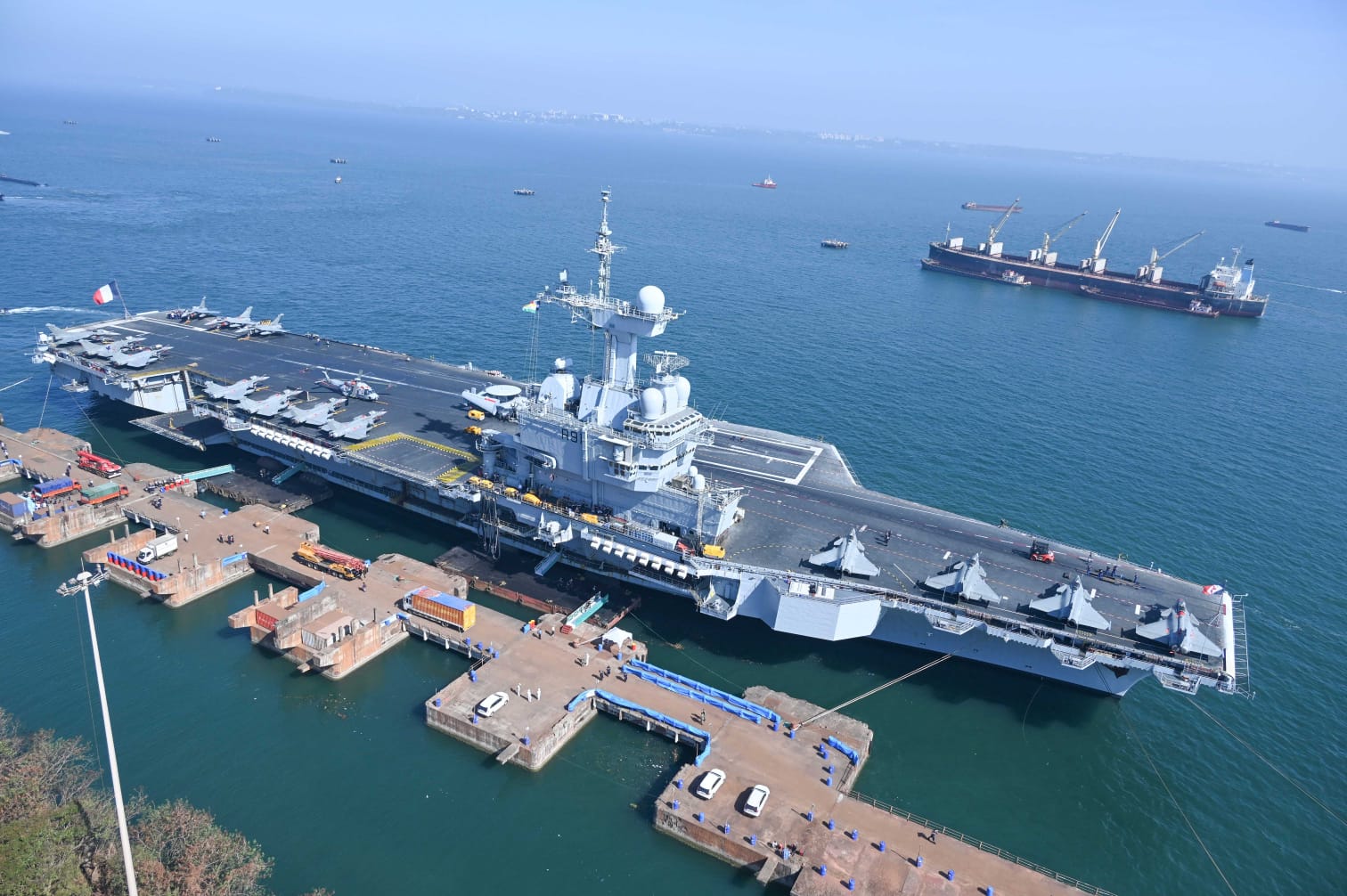
France’s Charles de Gaulle: The Sole Nuclear-Powered Aircraft Carrier Outside the US, Weighing 42,500 Tons and Equipped with Two Atomic Reactors

-
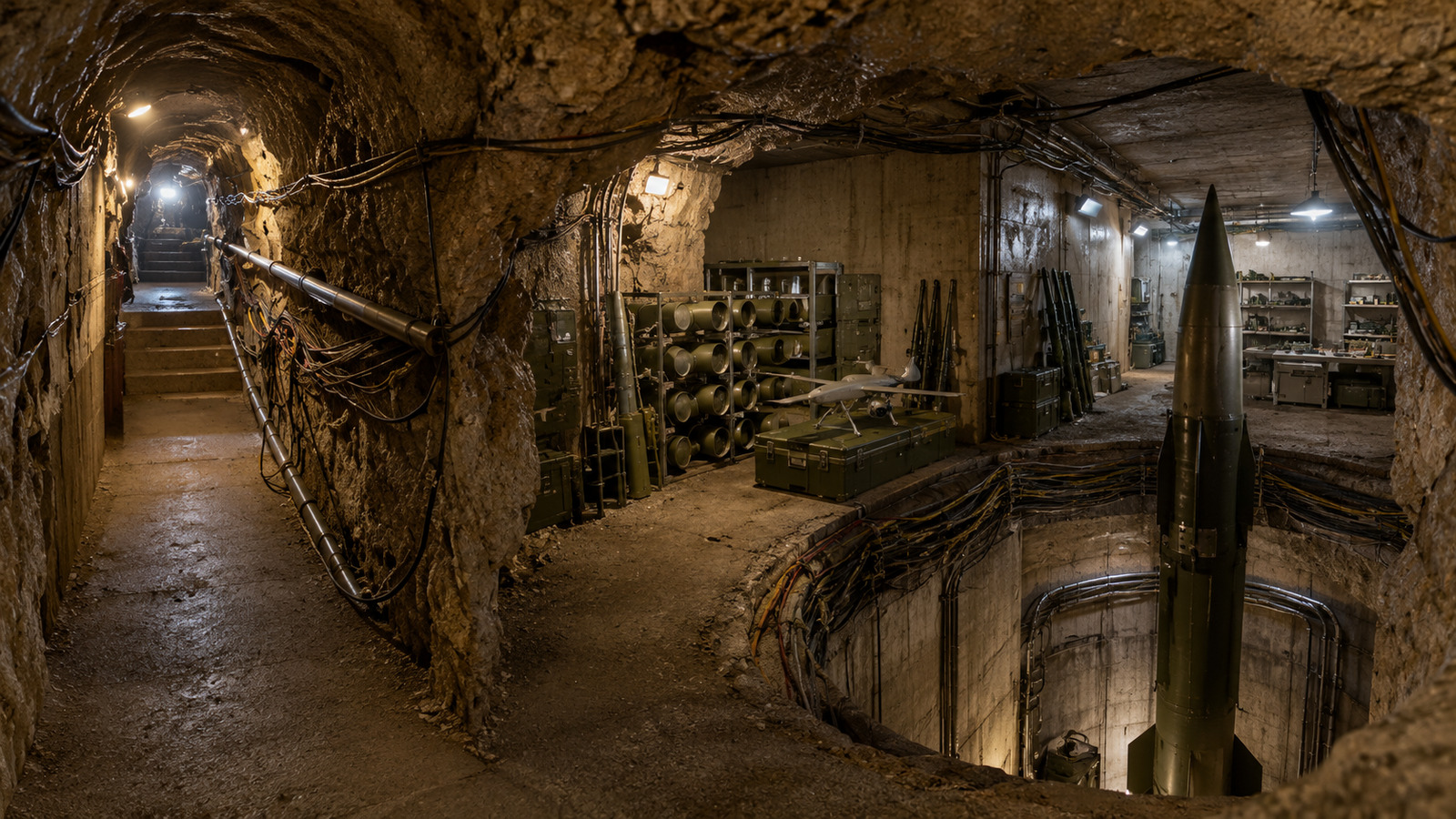
Israel finds Hezbollah militarized tunnel over 200 meters long under village, with 4 missile launch shafts, 12 chambers, anti-tank missiles, drones, and weapons depots at a depth of 25 meters.


2nd Iceland: Without armed forces, it depends on NATO for its security, maintaining only a Civil Coast Guard for search and rescue operations.
3rd Liechtenstein: Disbanded its army in 1868 for financial reasons and relies on Switzerland for its security.
4th Monaco: Has a treaty with France, from 1918, for its defense, focusing on tourism and finance, with a small police force for internal order.
5th Panama: Disbanded its armed forces in 1990 and relies on U.S. support for its defense, according to the Torrijos-Carter Treaties.
When the Absence of Armed Forces Can Be a Risk
Although the proposal for countries to give up armies, navies, and air forces may seem admirable, this strategy also presents challenges and risks that cannot be ignored.
Some of these countries may find themselves in a position of vulnerability against external threats, overly dependent on alliances and defense agreements that may prove unstable or insufficient.
Panama, for example, disbanded its armed forces in 1990 and became entirely dependent on U.S. support for its security. This dependency could become a problem if there are changes in the priorities or political stability of the protecting power.
Similar situations may occur with other small and island countries, such as Kiribati and Palau, which rely on the goodwill of larger nations to ensure their territorial integrity.
Furthermore, the absence of armed forces can also compromise these countries’ response capacity to emergencies and natural disasters, limiting their autonomy in civil defense, search and rescue, and maintaining public order.
Is the Army Important for a Nation?
Therefore, while the proposal for countries to give up armies may sound like a pacifist ideal, it is essential for these states to carefully assess the risks and challenges associated with this strategy, seeking solutions that balance security and development sustainably.
What do you think about this security approach adopted by some countries? Is the absence of armed forces really a viable solution or a dangerous risk?








Sem milicos sangue$$uga$ pra drenar as finanças e desestabilizar a política.
E outra: pra esses pequenos países da América Central por ex., externamente não muda nada! Ou alguém realmente acredita q outra potência q não os EUA tem interesse em intervir neles, ou na época q tinham forças armadas as mesmas teriam quaisquer condições d enfrentar esses mesmos americanos? 😏 rs