Portuguese
  Spanish


Sertãozinho SP Stands Out as the Ethanol Capital, Boosting Biofuels in Brazil with Innovation and Sustainability. Learn How the City Exports Agricultural Technology to Dozens of Countries, Strengthening the National Agribusiness
Historically known for sugarcane production, the city of Sertãozinho SP has become a national reference in biofuels, transcending the traditional boundaries of agribusiness. Located in the interior of São Paulo, this city is today nicknamed the ethanol capital, a strategic product for Brazil and the world in the search for renewable energy sources.
The municipality not only excels in ethanol production but has also become a technological hub, exporting innovative solutions to dozens of countries. This transformation reinforces the crucial role of agribusiness in the local economy, sustainable development, and Brazil’s international positioning in the energy sector.
The Growth of Biofuels in Brazil and the Strategic Role of Sertãozinho SP
Brazil ranks among the largest producers and consumers of biofuels worldwide, with an emphasis on ethanol, which represents a significant slice of the national energy matrix. According to the National Agency of Petroleum, Natural Gas and Biofuels (ANP), the country produces about 30 billion liters of ethanol per year, a considerable portion of which originates in the Sertãozinho region.
-
In Brazil’s Arid Northeast, Vineyards Now Produce Wine Grapes Year-Round, Accounting for 98% of the Country’s Grape Exports

-
China Limits Brazilian Meat Imports After Returning 20 Soybean Ships, Causing Factory Shutdowns and Concerns in Brazil’s Meat Industry

-
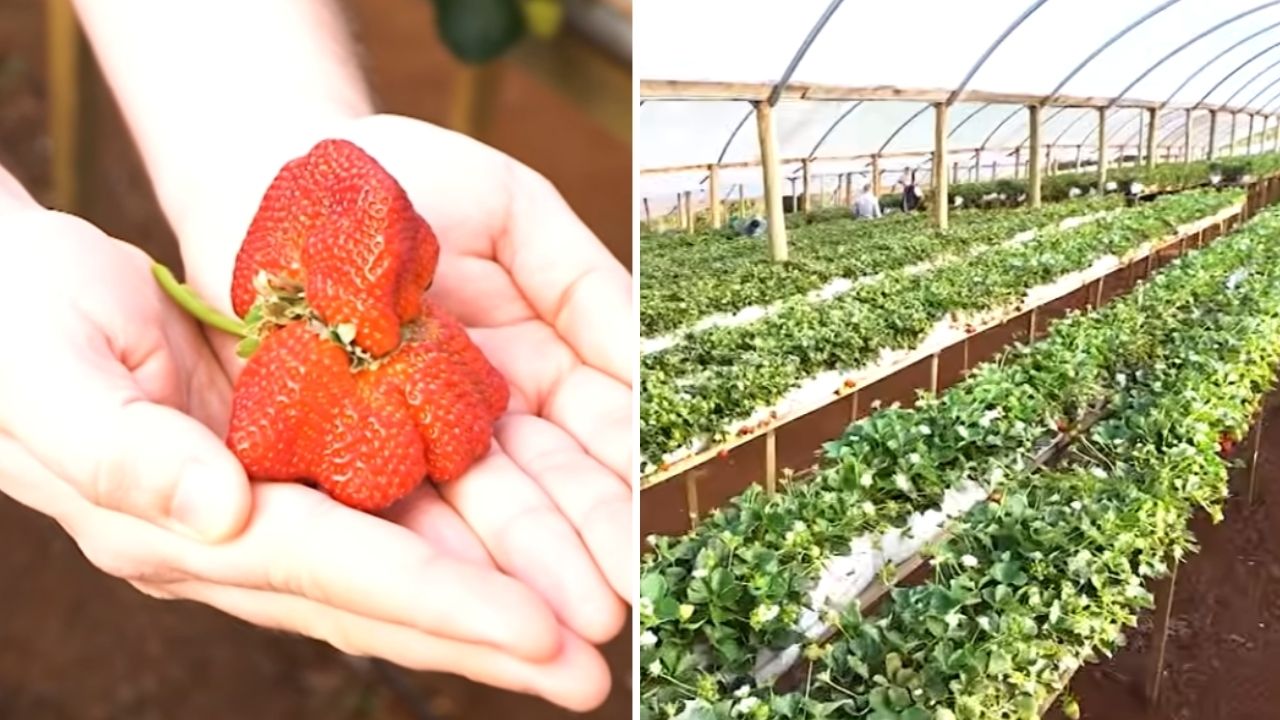
Brazilian Producer Adopts Hydroponic Strawberry Farming in Western Paraná, Achieving Year-Round Harvests and Becoming a Model for Continuous Production

-
Vertical Farming Company Backed by SoftBank and Jeff Bezos Files for Bankruptcy, Valuation Plummets from $1.9 Billion to Under $15 Million



Sertãozinho SP has been one of the main engines of this expansion, with its mills employing cutting-edge technologies to increase productivity and reduce environmental impacts. The city brings together large producers and startups focused on innovation, creating a favorable ecosystem for technological advancement and sustainability.
In addition to production, Sertãozinho has invested in research to diversify biofuel sources, such as the development of second-generation ethanol (2G), which utilizes sugarcane residues, making the process even more efficient and environmentally friendly.
Agricultural Technology Export: Innovation That Crosses Borders
One of the differentiators that elevate Sertãozinho SP to a prominent level is its capacity to generate and export agricultural technology. The municipality hosts research centers and specialized companies that develop advanced equipment and processes for cultivating, harvesting, and processing sugarcane.


Currently, the export of agricultural technology to dozens of countries has been one of the main pillars of local growth. Countries in Latin America, Africa, and even Asia adopt the solutions developed in the city to modernize their biofuel production chains.
This movement not only strengthens Brazil’s image as a technological leader in agribusiness but also generates jobs and revenue, diversifying Sertãozinho’s economy beyond traditional production.
Sustainability and Biofuels in Brazil: Advances in Sertãozinho SP
The biofuel sector is a fundamental part of the national strategy to reduce greenhouse gas emissions and diversify the energy matrix. In this context, Sertãozinho SP has stood out by promoting sustainable agricultural practices, investing in technologies that reduce the use of natural resources and increase energy efficiency.
Local research involves the use of biorefineries, which make full use of sugarcane, minimizing waste and maximizing the production of energy and renewable chemical products. Moreover, pilot projects for advanced biofuels, such as second-generation ethanol, contribute to enhancing the sustainability of the sector.
This environmental commitment aligned with productivity positions Sertãozinho as a national and international model, aligned with global sustainable development goals and climate change mitigation.
Economic and Social Impacts of Agribusiness in Sertãozinho SP
The growth of the biofuel sector in Sertãozinho SP has a direct effect on the local economy. Agribusiness generates thousands of jobs, from family farming to technical positions in industry and research centers.
The presence of universities and technological institutes in the region also strengthens the training of qualified professionals, increasing opportunities for youth and consolidating the city as a hub of innovation.

In addition to job creation, investments in infrastructure, such as roads and railways, improve logistics, facilitating the flow of production and encouraging the development of other economic sectors, creating a conducive environment for new businesses and partnerships.
The Role of Sertãozinho SP in the Brazilian Energy Matrix
With the growing demand for renewable sources, the ethanol produced in Sertãozinho SP plays a strategic role in Brazil’s energy matrix. The biofuel is a clean and renewable alternative that reduces dependence on fossil fuels and contributes to national energy security.
The city is responsible for a significant portion of the country’s production capacity, supplying the domestic market and contributing to Brazilian exports. This strategic position reinforces Brazil’s status as a global reference in biofuels.
Meanwhile, the technological innovation developed in the region helps improve production efficiency, reduce costs, and pave the way for new energy solutions, ensuring that Sertãozinho remains relevant in the face of sector challenges.
Challenges and Future Perspectives for Sertãozinho and the Biofuels Sector in Brazil
Despite the success, the biofuel sector in Brazil, and especially in Sertãozinho SP, faces significant challenges. The volatility of international prices, competition with fossil fuels and other renewable sources, in addition to increasing environmental demands, impose the need for constant innovation.
The pressure for third-generation biofuels, which exploit raw materials such as algae, and the advancement of electrification in transportation are trends that require adaptation from producers.
However, Sertãozinho’s capacity to invest in research, technology, and technical training offers a solid foundation to face these changes. Partnerships with universities, governments, and international companies enhance the development of innovative solutions that ensure the sustainability and competitiveness of the city in the global market.
An Example of Transformation: Sertãozinho SP Beyond Sugarcane
Known for decades only for sugarcane, Sertãozinho SP has reinvented itself and is now a living example of the Brazilian agribusiness’s capacity for transformation. The municipality has ceased to be just a large rural producer and has become the “capital of ethanol” in Brazil, a hub of innovation in biofuels and an exporter of agricultural technology to various countries.
This trajectory demonstrates the importance of investing in innovation, sustainability, and training, factors that have elevated Sertãozinho to a position of national and international leadership. The economic and social impact generated by the sector reflects the strategic relevance of the city for Brazil’s future in the global energy landscape.
Sertãozinho serves as an inspiration for other regions seeking to diversify their economies and invest in green technologies, reinforcing the country’s potential to lead the global energy transition and ensure sustainable development.