Portuguese
  Spanish





With an extra cost of R$ 155.6 billion, the civil construction sector analyzes the impacts of the change in the 6×1 schedule. Check out the data from the Cbic study for the sector.
To maintain current productivity in the face of a possible reduction in working hours, the civil construction sector would need to hire about 288,000 new professionals, generating a billion-dollar cost for companies. This is revealed by a study by the Brazilian Chamber of the Construction Industry (Cbic), released in March 2026, on the potential impacts of ending the 6×1 schedule.
The survey, based on official Rais data from 2024, projects that the transition to a 40-hour workweek could increase labor costs by 15%, totaling an additional expense of R$ 155.6 billion annually for the real estate and infrastructure market in Brazil.
Civil construction and the end of the 6×1 schedule: The three scenarios projected by the study
The Cbic outlined different paths that construction companies could take to compensate for the estimated loss of 600,000 work hours per year.
-
City Hall spends almost R$ 2 million on a wooden bridge only 2.5 meters wide to prevent the isolation of 5,000 people, but information about lifespan, load, and maintenance does not appear in public disclosures.

-
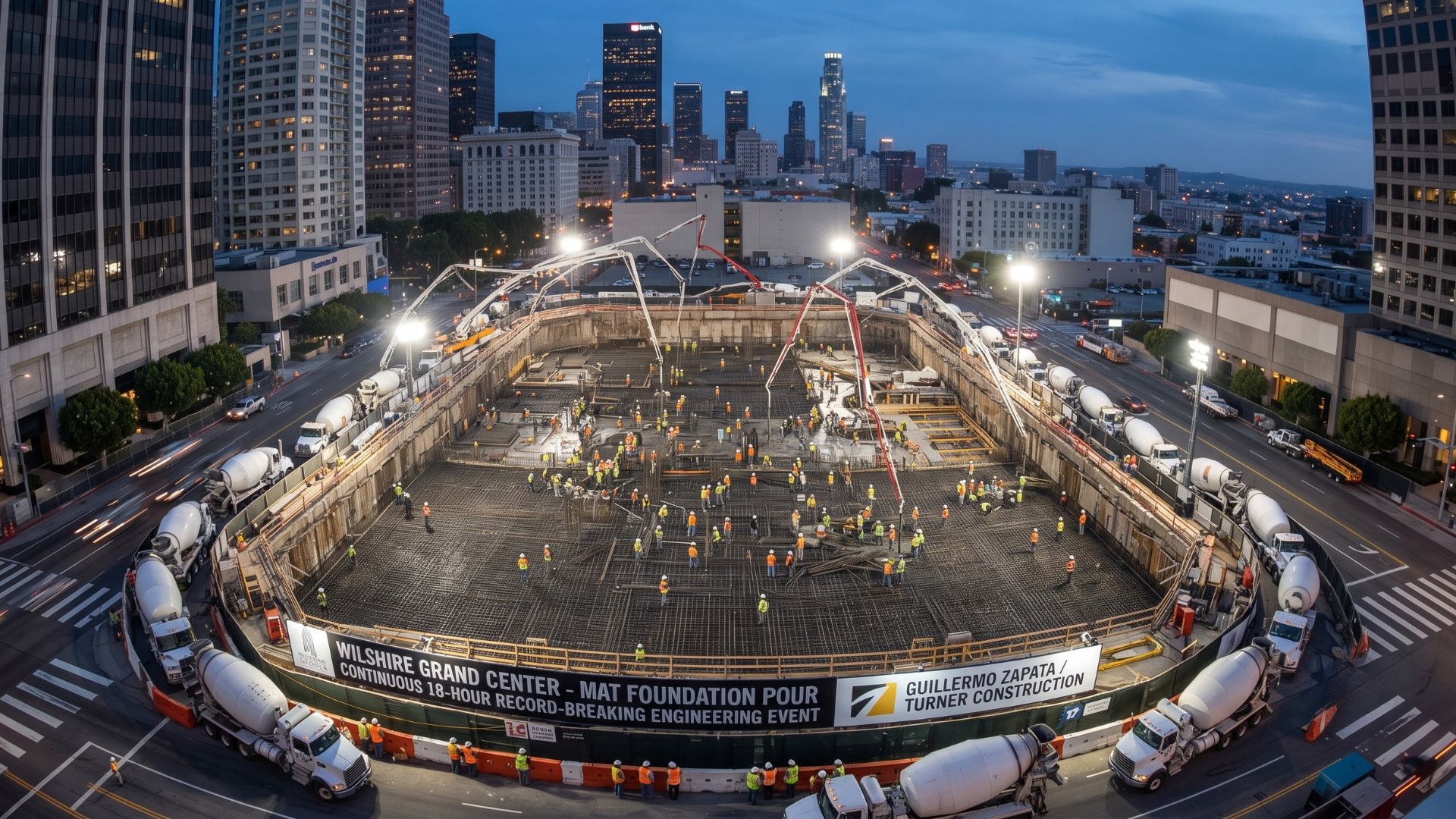
More than 2,100 trucks transported 16,200 cubic meters of concrete without interruption to create the foundation of the tallest skyscraper in the western United States and break a world record.

-
The man who started in construction with his own house founded a company in 1957, went through a banking crisis in 1987, and ended up connected to 16,500 houses in Houston.

-
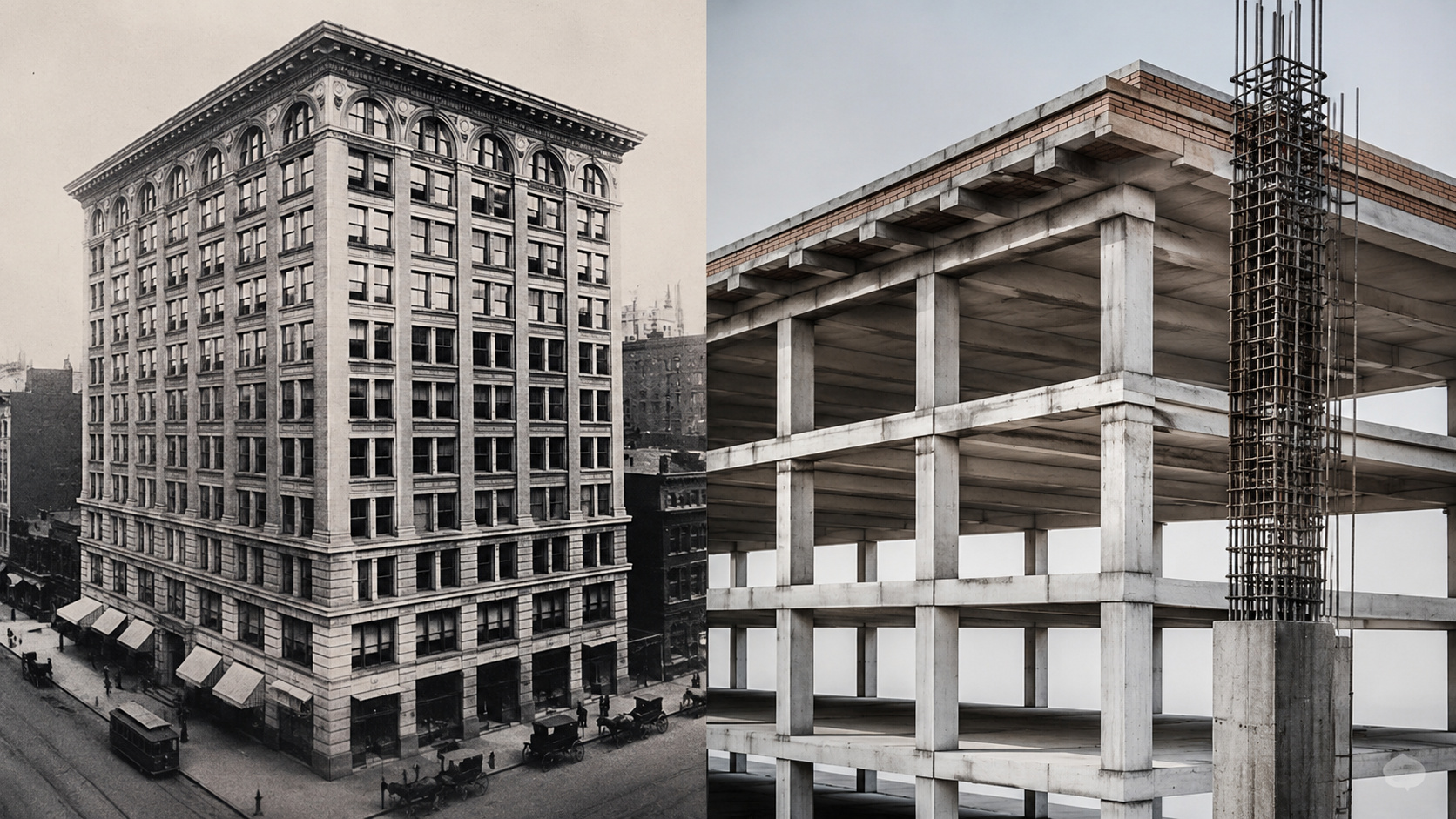
Builders challenged experts, erected a 16-story building using only reinforced concrete when the known limit was six floors, and proved that skyscrapers would never be the same again.


Each alternative brings a distinct financial and social weight to the construction sector:
- Mass hiring: To make up for the unworked hours, 288,000 new employees would need to be hired. Of this total, 111,000 would go to buildings, 98,000 to specialized services, and 79,000 to infrastructure works, costing R$ 9.9 billion annually.
- Use of overtime: Keeping the current team with the legal 50% overtime would raise the cost to R$ 14.8 billion per year, not counting the basic labor charges that accompany this amount.
- Reduced pace: Without new hires or overtime, the sector would face delays in works and a drop in the supply of new properties, affecting the entire economy.
Financial impacts and sector inflation
Currently, the sector is already dealing with costs that exceed the official inflation. According to the Getulio Vargas Foundation (FGV), the National Construction Cost Index (INCC) rose 5.81% in the 12 months up to January 2026. In that same period, labor costs had already increased by 8.93%.
With the end of the 6×1 schedule, the study predicts that the value of the worked hour would jump from R$ 15.01 to R$ 16.51 — an immediate 10% increase. The topic needs to be evaluated technically, with reliable data, argues the president of Cbic, Renato Correia.
He highlights that issues such as low productivity and the shortage of qualified labor are bottlenecks that could be exacerbated by the change in the work schedule.
Microenterprises and popular housing at risk
The survey emphasizes that the effect of the new schedule would be “even more severe” for small businesses and popular constructions.

In low-income housing, the cost of workers represents almost 60% of the total project cost, which would make houses more expensive for the end consumer.
- Small establishments: 98.7% of companies in the sector are micro and small enterprises.
- Productive chain: The sector involves about 13 million people, including suppliers and service providers.
- Formal employment: There are about 3 million direct workers with signed work contracts.
Challenges for the Brazilian economy in 2026
The debate in the National Congress about reducing working hours places the construction industry at a crossroads. Since labor is the heaviest input in the sector, passing costs onto the price of apartments and public works seems inevitable.
In addition to the R$ 13.5 billion in direct expenses anticipated for entrepreneurs in the field, there is a risk of a slowdown in new real estate launches. Therefore, the study concludes that any change in the 6×1 schedule requires a thorough analysis of how to maintain the industry’s sustainability.
Without efficiency gains or compensatory measures, the financial impacts could slow the growth of one of the sectors that generates the most jobs in the country, turning a change in the work schedule into an unprecedented logistical and inflationary challenge for the decade.
Source: Notícias r7 and CBIC