Portuguese
  Spanish


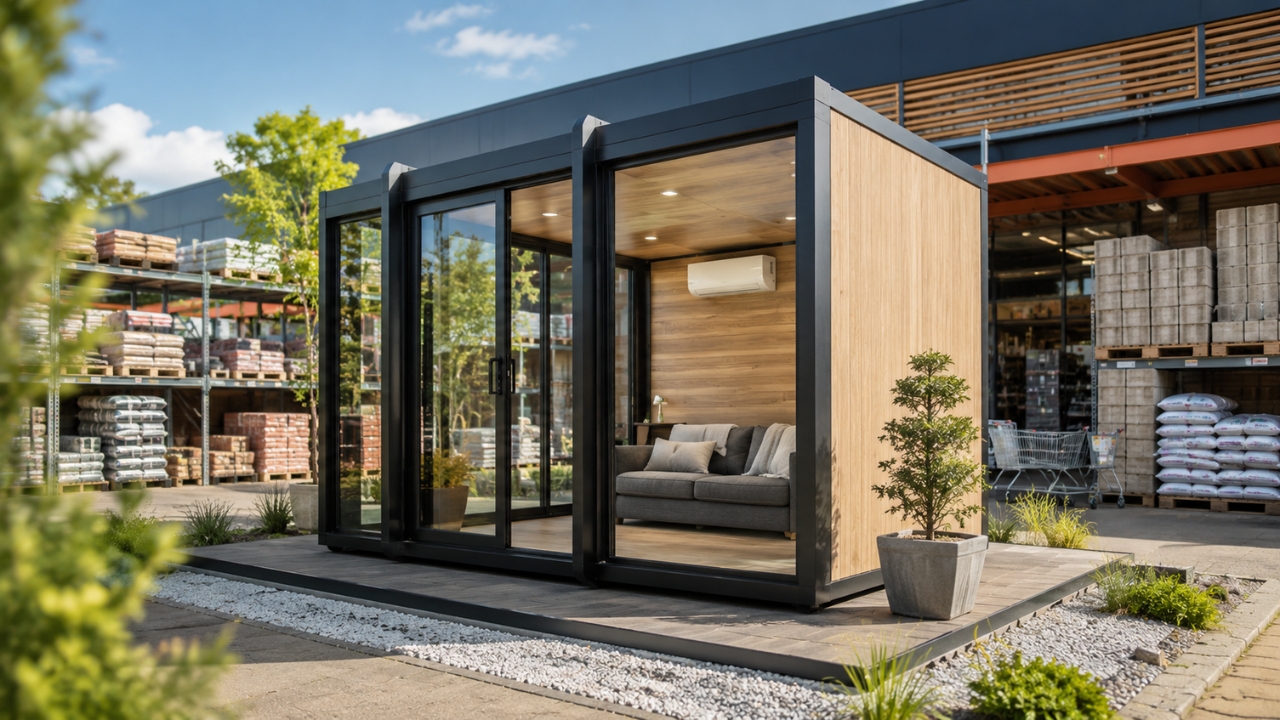

Amidst the high cost of housing, compact modules sold in construction retail attract attention for offering extra space in the backyard, but also raise questions about habitable use, local regulations, and the limits of this new trend in Australia.
A hardware store has put up for sale something that seems to have come out of a futuristic catalog for families suffocated by the housing crisis: a demountable module, delivered in a compact format, assembled in a few days and installed in the backyard as an office, extra bedroom, or private space.
The price immediately catches attention. The entry model appears for AU$ 26,100, a value that went viral amid the desperate search for out-of-the-box solutions. But the story is not as simple as it seems. The same showcase that sells the idea of practicality also brings a decisive warning: the smallest model should not be used for habitable purposes.
The backyard room that became a symbol of a larger crisis
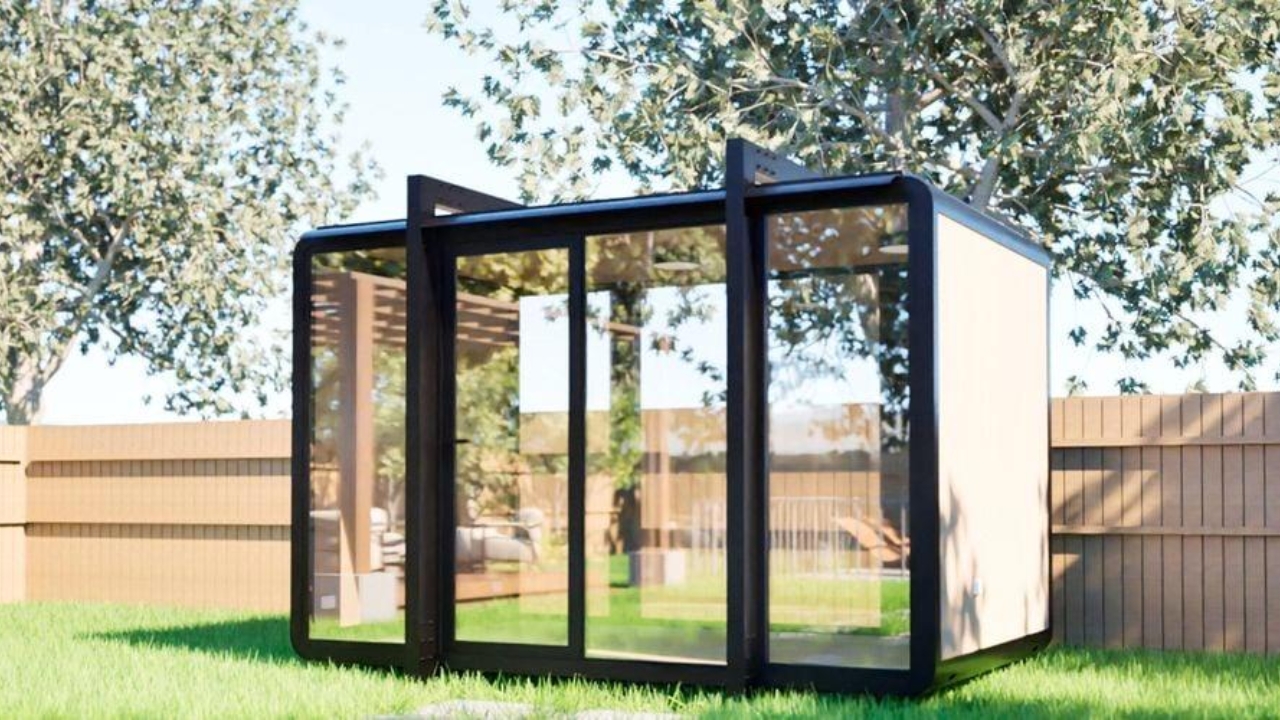
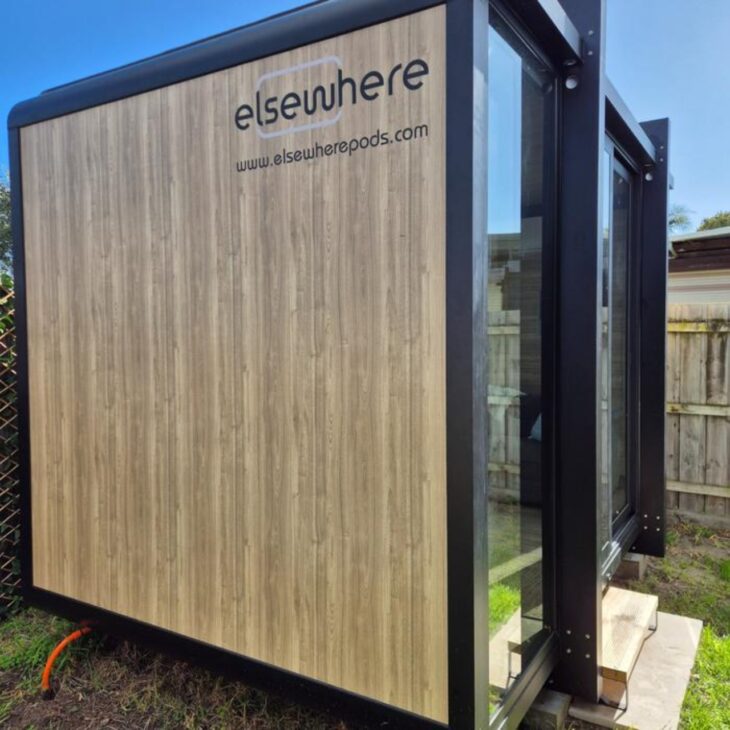
Bunnings started selling Elsewhere Pods line modules in two main sizes. The smaller one measures 2.7 m x 2.4 m. The larger one reaches 4 m x 2.4 m and costs AU$ 42,900.
-
21-Year-Old Moves Back to Parents’ Home in Arizona, Finds New Private Apartment in Converted Garage as Families Tackle U.S. Housing Pressures

-
Innovative Container Studio in Brazilian Beach Town Thrives with High Demand and Plans for Expansion
-
30-Square-Meter Container Home with 2 Bedrooms, Living Room, Kitchen, and Bathroom Sold for $12,000 in Brazil, Tour Reveals Project Details

-
Brazilian Couple Builds Eco-Friendly Brick House, Saves 41%, and Shares Simple Test to Check Soil Suitability

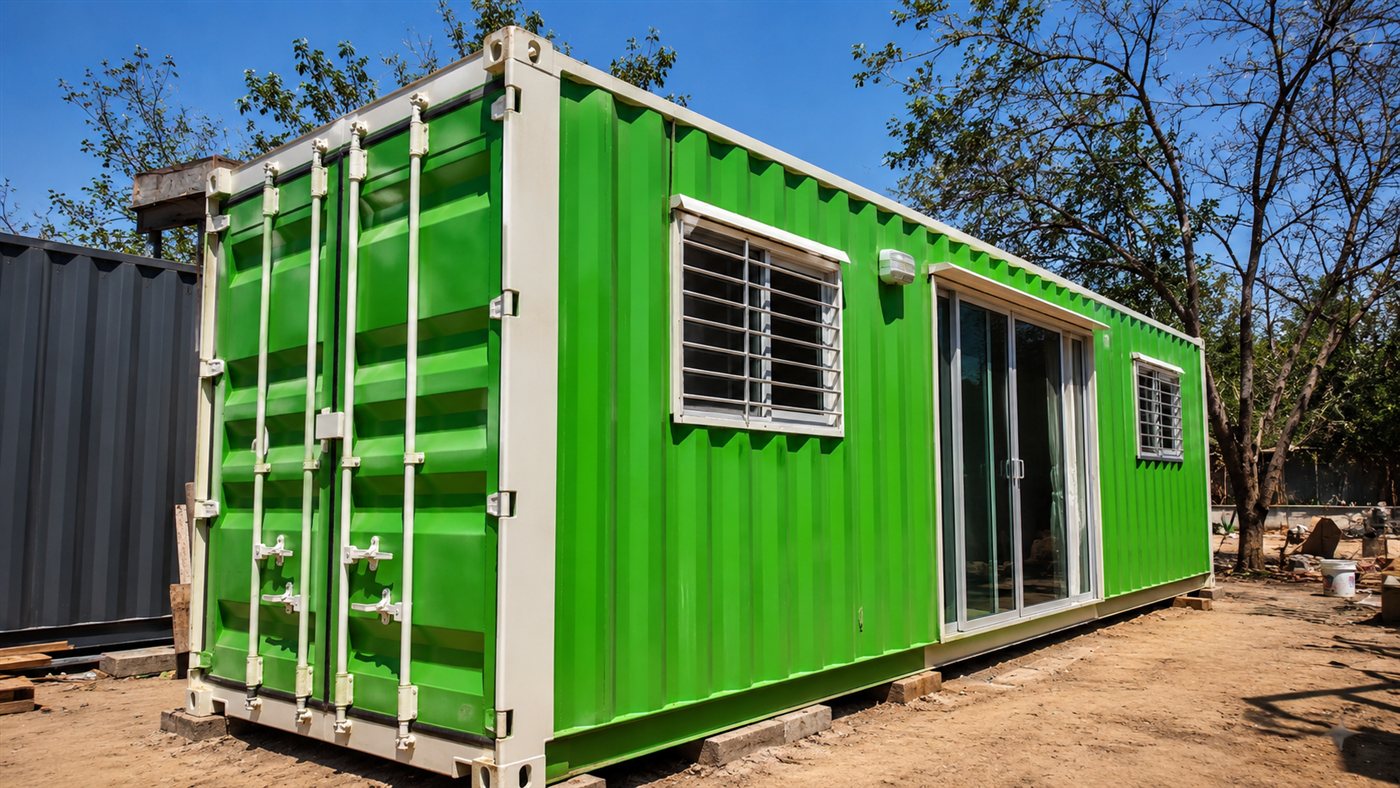

In practice, they are compact structures, with a modern appearance, large glass areas, and a proposal for quick installation. The appeal is direct: to create a functional space in the backyard without facing the complexity of a traditional construction.
The product is presented for uses such as home office, studio, hobby area, creative space, or private retreat. This is precisely where the most important detail lies. It may look like a small house in the photos, but it should not be automatically treated as a complete dwelling.
Quick assembly, double glazing, and promise of practicality
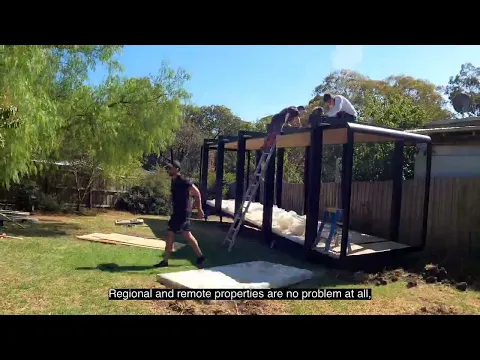
The package attracts attention because it bets on the flat pack concept, meaning it arrives disassembled and is designed to facilitate access to backyards where a common construction would be more complicated.
The manufacturer Elsewhere Pods states that the 2.7 m and 4 m modules were announced at the retailer on September 8, 2025 and can be assembled in just two days. The company also informs an estimated delivery time of 10 weeks and says that after assembly, an electrician’s work is required.
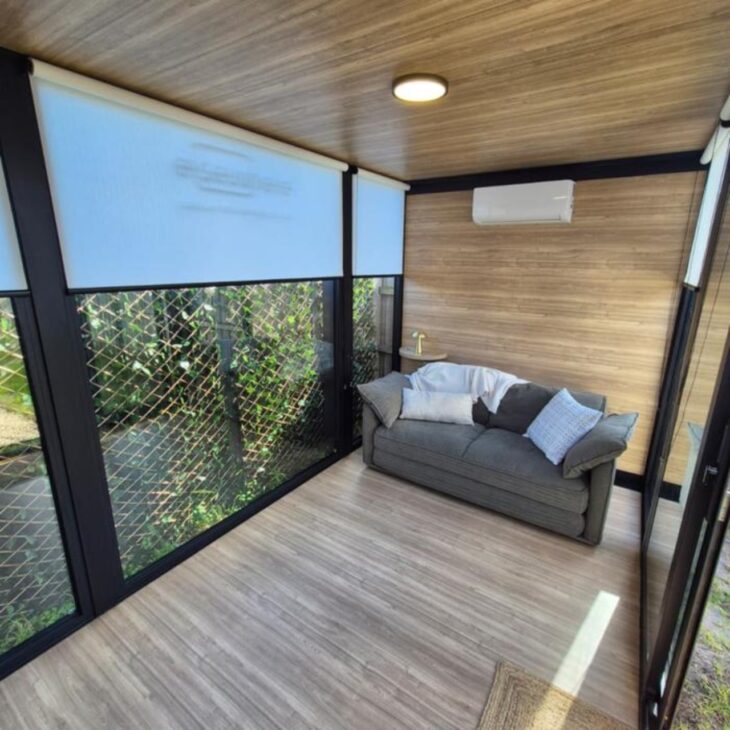
The technical features reinforce the premium appeal. The smaller module features 8 mm double glass, low emissivity treatment, structure with thermal break, and acoustic insulation. In other words, it’s not just a simple shed with a window. It’s a product designed to feel comfortable, quiet, and visually sophisticated.
The hidden phrase that changes the reading of the news
The detail that prevents exaggeration is on the product’s own page. The AU$ 26,100 model may require building or planning permission, depending on local regulations, and the description states that the structure should not be used for habitable purposes.
This is the point that makes the story even more interesting. In a market where families are looking for any escape from expensive rent, lack of properties, and increasingly slow construction, a cheap backyard module may seem like a miraculous solution. But the fine print shows that it does not replace a house.
For the larger model, the page also warns that permission may be required if the structure is intended for habitable purposes. In other words, turning the pod into a dwelling depends on local regulations, the intended use, and approvals that vary by region.
Why this product has attracted so much attention now
The interest did not arise in a vacuum. Australia is experiencing a deep housing crisis, with pressure on prices, rents, and the supply of new housing. The Australian Treasury has a national goal of building 1.2 million well-located new homes in five years, starting from July 1, 2024. Meanwhile, the National Housing Supply and Affordability Council projects about 938,000 new homes by June 30, 2029, which would leave a deficit of 262,000 units compared to the goal.
In this context, any product that promises quick space, modern look, and a much lower initial cost than traditional construction gains immediate traction on social media. The problem is that extra space and regularized housing are not the same thing.
The solution that looks like a house, but doesn’t solve the problem
ABC News summed up the dilemma well: these pods may signal a shift in interest towards modular construction, but they do not solve the housing crisis. They are more suitable for offices, studios, guest rooms, or complementary areas than for a family to live in permanently.
Another point affects the wallet. The initial price does not necessarily include land preparation, ground works, power connection, water, legal adjustments, and compliance costs. All of this can significantly increase the final cost.
Even so, the product reveals an important cultural shift. Families, investors, and homeowners are looking at the backyard as a new frontier of space, income, and urban survival.

What’s really at stake
The most impactful aspect of this story is not just a store selling a modular unit. It’s the fact that this type of product made the news because many people no longer believe that the traditional path to homeownership works for everyone.
The pod costing AU$ 26,100 is not a magic solution. Nor is it a complete house for any use. But it has become a symbol of a time when the real estate market became so expensive that even a backyard room, disassembled into pieces and assembled in a few days, began to be seen as hope.
In the end, the question that remains is not whether everyone will live in modules. The question is why so many people have started to look at them as if they were the only possible way out.