






 Portuguese
  Spanish


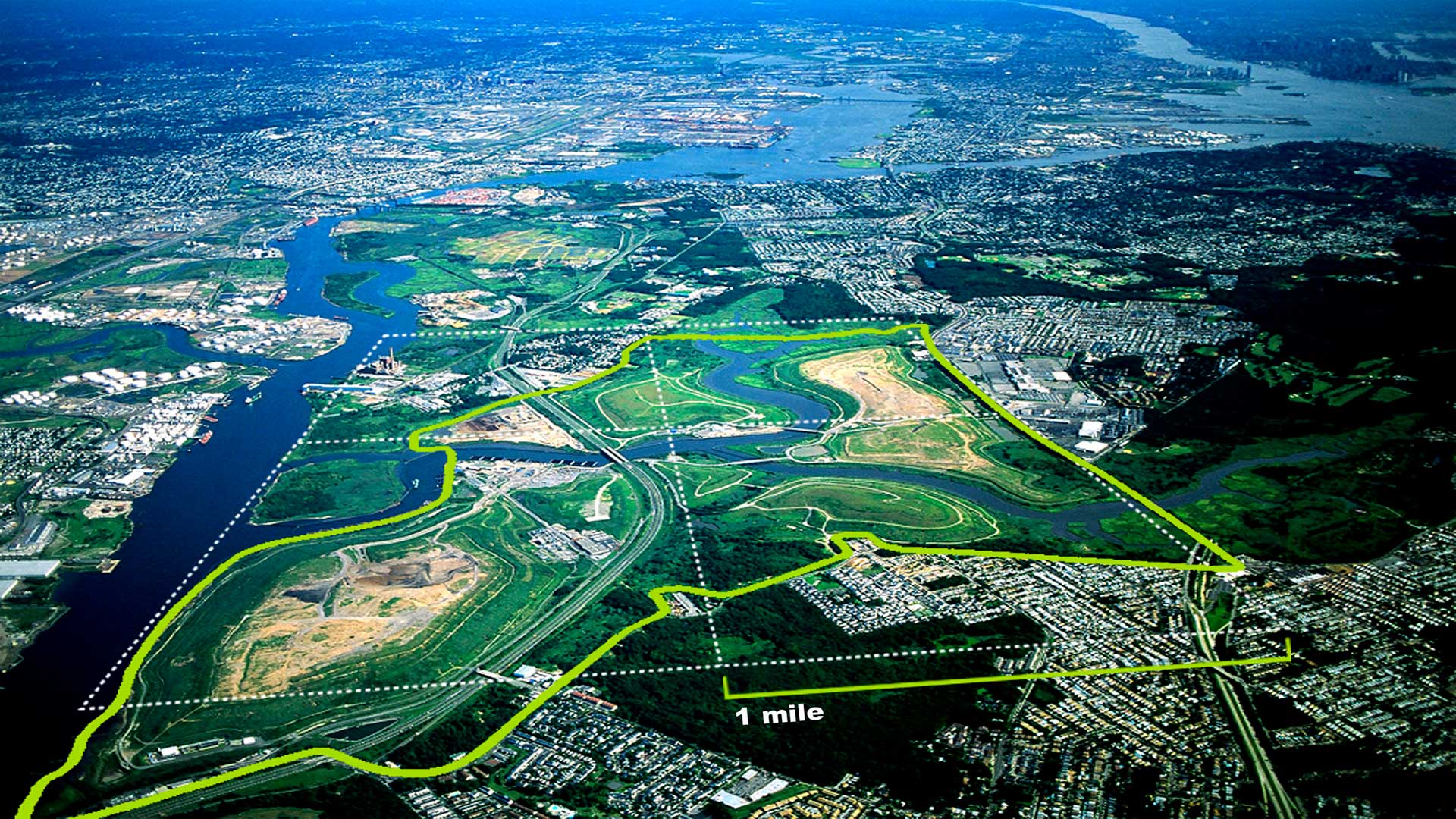


From Old Landfill in Staten Island, 2,200-Acre Area Advances in Phases and Already Displays Wetlands, Lawns, and Permanent Environmental Monitoring
What was once known as one of New York’s largest garbage destinations is turning into an unusually scaled urban park. In Staten Island, the future Freshkills Park occupies the area of the old Fresh Kills landfill, where the four large mounds of waste total around 150 million tons of solid waste, according to the park’s own description.
The project covers 2,200 acres, nearly three times the size of Central Park, which is 843 acres, according to information from the park’s website and Central Park Conservancy.
Although it is not fully open yet and continues to be implemented in phases, the site already operates as a living laboratory for environmental recovery, with wetland restoration, habitat creation, and infrastructure to manage typical landfill impacts, such as gases and liquids generated by waste decomposition.
-
New Anti-Humidity Paint Reduces Mold and Fungus by Controlling Condensation, Enhancing Indoor Protection and Paint Durability Without Major Renovations

-
Polystyrene Panel Technique Goes Viral for Tackling Household Mold and Persistent Dampness
-
Innovative Building Material: EPS Construction Revolutionizes with Faster Builds, Less Waste, and Enhanced Thermal Comfort

-
Correct Floor Screed Thickness and Strategic Use of Reinforcement Mesh Key to Preventing Cracks and Enhancing Durability Without Significant Cost Increase

From Landfill to Urban Park in New York; Watch the Video


The Fresh Kills landfill closed on March 22, 2001, after decades of receiving the city’s household waste, according to historical records about the area.
Twenty years later, on March 22, 2021, municipal agencies and project partners marked the date as a symbolic turning point, highlighting the renewed use of the territory and the ambition to transform it into a reference green space.
Environmental Recovery That Aims to Transform Landfill into Ecosystem
The change is not limited to planting trees over the debris. One of the most cited fronts is the restoration of 360 acres of wetlands, which help improve water quality, cushion floods, and enhance species diversity, as detailed in the project’s own materials.
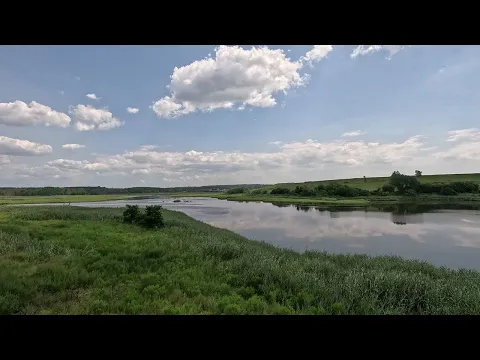
The recovery also includes the return of landscapes that existed before the landfill operation, such as channels and wetlands connected to Arthur Kill, reinforcing the idea that the park emerges from the combination of nature and engineering.
On the land side, the park hosts more than 1,000 acres of grassland habitat, recognized as the largest prairie ecosystem in the state of New York, with records of typical fauna and flora of this environment.
The park’s website also highlights the increasing presence of wildlife and mentions, for example, the return of raptors like ospreys in areas of the territory.
Soil Engineering and Risk Control to Become Public Area
Underlying what appears to be a park, there is a set of containment and monitoring works that are central to environmental safety. The old landfill is covered by a “cap” of layers that include soil, geotextiles, and geomembrane, as well as structures for directing stormwater and preventing erosion, according to the engineering section of the project.
Another key element is the control of landfill by-products. The park’s materials describe systems for collecting and treating leachate and landfill gas, to reduce risks to public health and the environment.
Continuous monitoring also appears as a rule of the game, with regular measurements of air, surface water, and groundwater to verify that the infrastructure is functioning as planned.
Phased Openings and What Can Already Be Visited in Staten Island
Despite its size, access is still limited in much of the park’s interior, which is mainly available through scheduled programs and visits while the works progress.
One of the most recent openings is North Park Phase 1, a 21-acre area opened to the public in October 2023, featuring trails, an observation tower, and structures that use solar energy, according to the project’s update page.
The general plan is for gradual implementation, with construction in phases and a projected completion date set for 2036, according to the description from the office responsible for the master plan.
The Debate Surrounding Large-Scale Projects
The transformation of Freshkills often divides opinions because it carries a difficult question. Can you call a place built on millions of tons of garbage and surrounded by permanent control infrastructure nature?
Supporters point to the chance to recover ecosystems, create green spaces, and provide environmental education in a metropolis that needs open spaces. Critics argue that the slow pace and high maintenance costs could turn into an eternal promise, in addition to fueling the fear of “greenwashing” over environmental liabilities.
And you, do you consider this type of park a real solution for environmental recovery or just a way to make the problem less visible? Share your thoughts and let us know if your city should transform old landfills into public areas or if that is too risky.


