Portuguese
  Spanish


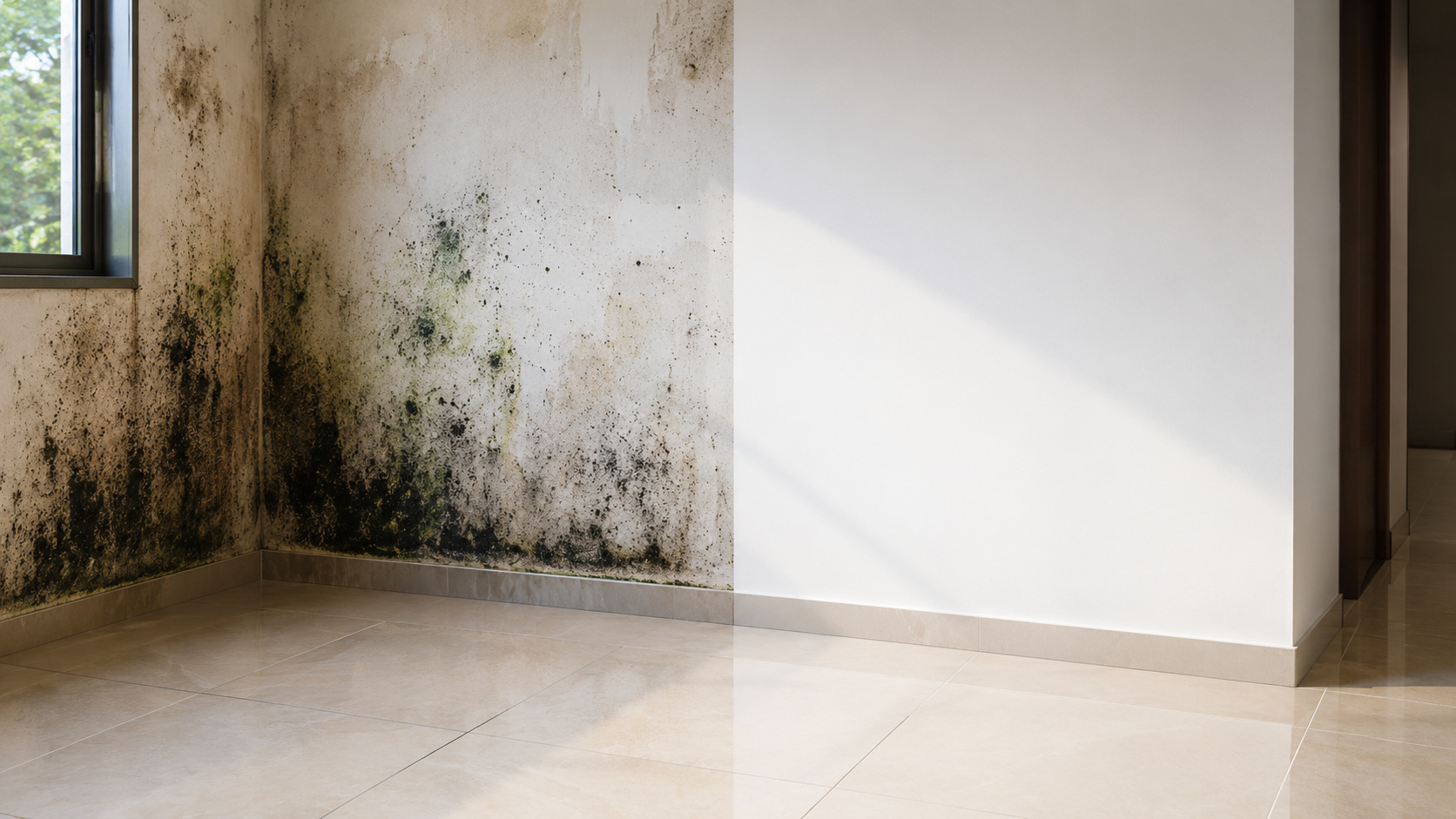

Discover how dehumidifying paint helps reduce mold on the wall, fungi on the wall, and moisture on the walls, increasing protection and durability.
Mold, fungi, moisture stains, and microcracks are frequent problems in homes that compromise the appearance and durability of walls. Besides the aesthetic impact, these issues generate unpleasant odors and affect indoor air quality.
According to a report by Super Rádio Tupi on July 2, 2026, as an innovative solution, dehumidifying paint stands out for controlling moisture and protecting surfaces for longer. It acts continuously against vapor condensation, offering high protection for indoor environments and increasing the durability of the paint without requiring major renovations. It is an anti-mold paint that refreshes the environment in a practical way.
What is dehumidifying paint and how does it work?
Unlike traditional solutions that only block water, dehumidifying paint is formulated to allow better vapor exchange on walls. This directly reduces the appearance of stains caused by moisture. The product helps in the continuous control of condensation, preventing water vapor from ruining the finish.
-
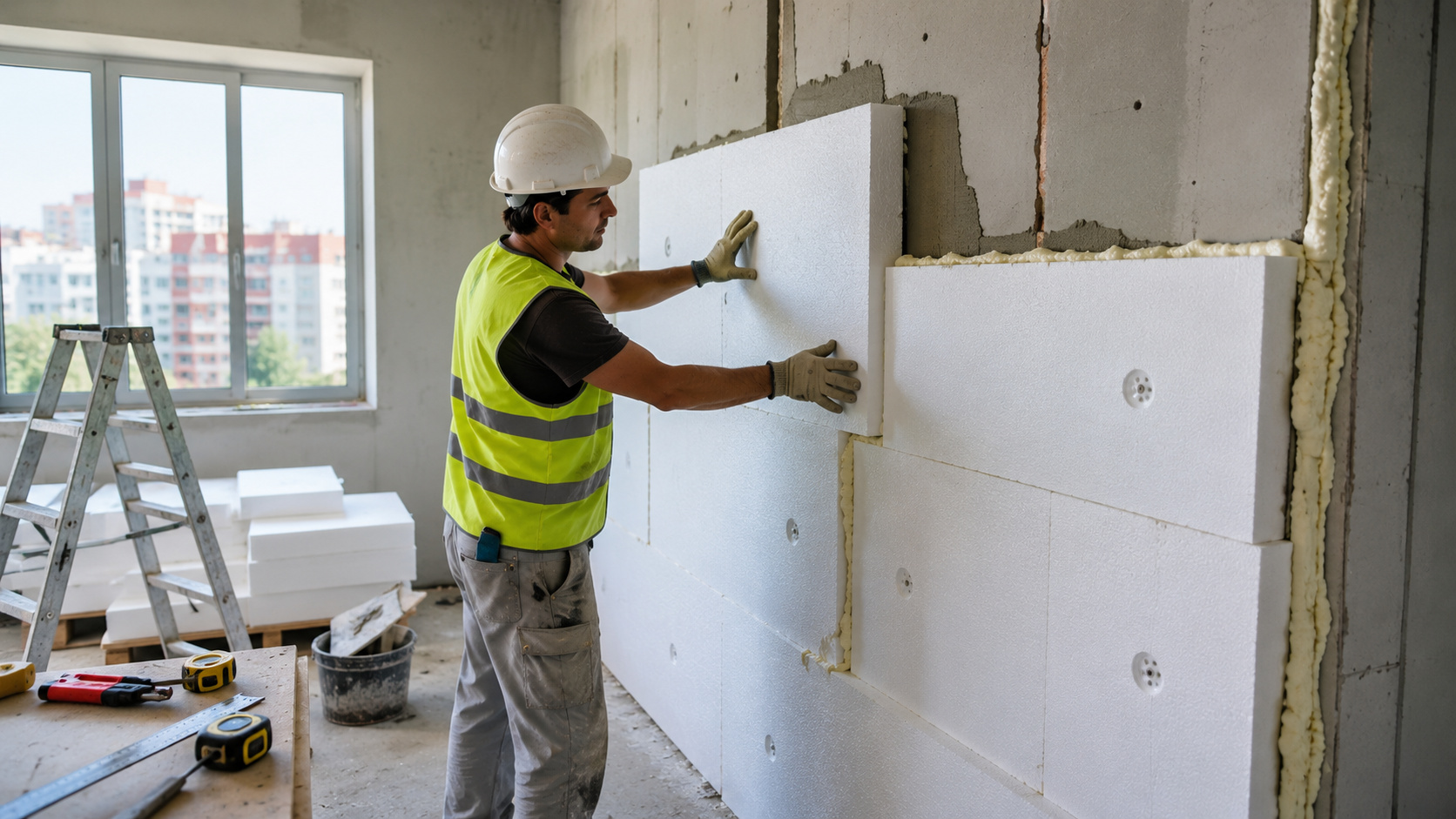
Polystyrene Panel Technique Goes Viral for Tackling Household Mold and Persistent Dampness

-
Innovative Building Material: EPS Construction Revolutionizes with Faster Builds, Less Waste, and Enhanced Thermal Comfort

-
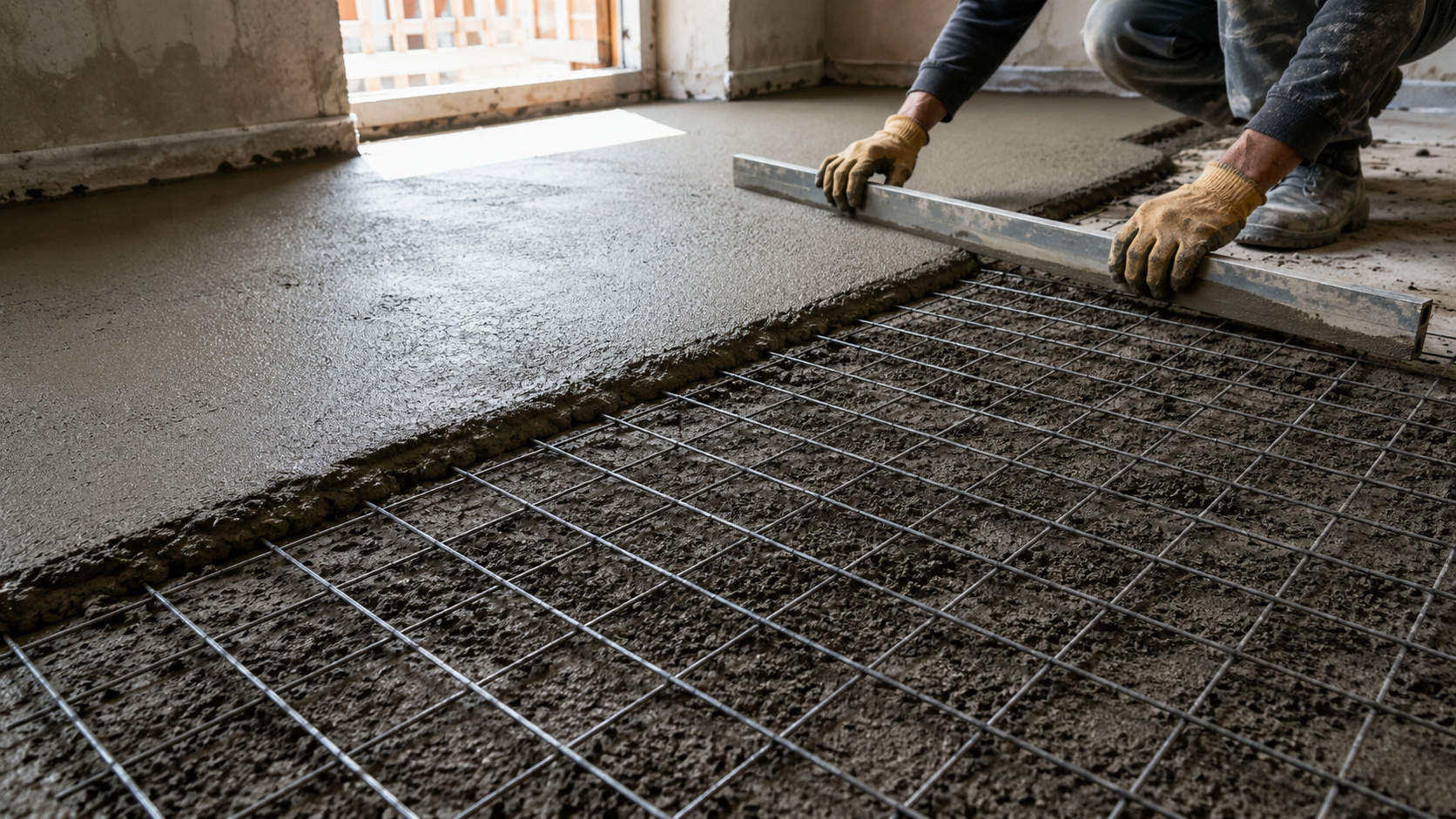
Correct Floor Screed Thickness and Strategic Use of Reinforcement Mesh Key to Preventing Cracks and Enhancing Durability Without Significant Cost Increase
-
Bristol Builds 11 Steel Stilt Houses Over Parking Lot, Providing Zero-Carbon Homes for Youth at Risk of Homelessness


Its composition includes components that hinder the proliferation of microorganisms, functioning as a highly efficient anti-mold paint. It is ideal for places with a history of condensation and excess vapor, such as:
- Bathrooms and kitchens;
- Laundries and basements;
- Interior walls with little sun exposure.
The triggers that generate mold, fungi, and moisture on walls
Biological proliferation occurs when excess water remains on surfaces for long periods, creating the perfect environment for the emergence of fungi on the wall and mold on the wall. This continuous accumulation degrades the coating and accelerates the wear of the paint.
The origin of moisture on walls can be triggered by different daily factors or construction failures:
- External infiltrations or caused by hydraulic leaks;
- Condensation of vapor generated in showers and pots;
- Constant contact of masonry with wet areas or soil without waterproofing;
- Emergence of microcracks that facilitate water penetration.
In a production aimed at civil construction on YouTube, the professional from the channel Mestre do Acabamento published the video titled “HOW TO REMOVE MOLD, FUNGUS, MICROCRACKS, AND MOISTURE FOREVER!”. On this occasion, he highlighted practical solutions to eliminate these issues, providing guidance on treating the causes and the correct use of dehumidifying paint to protect surfaces.


How to prepare the surface and prevent mold on the wall
Painting over a surface with active infiltration does not solve the problem and causes the stains to return quickly. Therefore, before applying the anti-mold paint, it is mandatory to eliminate the root cause of the moisture and treat the substrate thoroughly.
The correct preparation process requires following well-defined chronological steps:
- Identify and correct structural infiltrations or leaks;
- Completely remove mold on the wall and fungus on the wall with appropriate cleaning products;
- Correct existing microcracks on the surface;
- Ensure the wall is clean, firm, cohesive, and completely dry.
Practical care that increases the durability of the paint
Keeping walls protected for many years requires adopting simple preventive habits in the household routine. Choosing the correct dehumidifying paint should be combined with constant care for the building’s health.
To prevent the accumulation of moisture on the walls, specialists recommend:
- Improving natural ventilation of rooms by opening windows;
- Avoiding the confinement of steam in indoor environments;
- Performing preventive maintenance on roofs, gutters, and plumbing;
- Correcting small cracks as soon as they appear in the structure;
- Using specific and recommended products for each type of wall.

The path to permanently eliminate pathologies
The achievement of a definitive result directly depends on tracking and correcting the source of moisture. When infiltrations and leaks are resolved, the combination of surface preparation and the application of dehumidifying paint ensures lasting protection, blocking the reappearance of fungi on the wall.
Discovering what is causing the problem is as important as choosing a good finish. With active preventive maintenance, good air circulation, and suitable anti-mold paint, it becomes possible to preserve colors, enhance home comfort, and increase the lifespan of the walls.