Portuguese
  Spanish


In Tangará da Serra, Aparecido Valdomiro Massarotto cultivates flowers on 1 hectare of Chácara Massarotto 2 and records an income of R$ 4,000 to R$ 5,000 per month, reaching R$ 6,000 during the blooming season. Canal Rural Mato Grosso showed support from Senar and plans with palm trees in the nursery.
The flowers have become the main source of income for Chácara Massarotto 2, in Tangará da Serra, Mato Grosso, after Aparecido Valdomiro Massarotto, aged 70, reorganized production on 1 hectare dedicated to floriculture. The focus shifted from previous activities to ornamental plants with higher added value.
The story was published by Canal Rural Mato Grosso on May 5, 2025, in the program Senar Transforma. The report shows that the producer records a monthly income between R$ 4,000 and R$ 5,000 with flowers and plants, potentially reaching R$ 6,000 during the peak blooming months.
Floriculture gained space at Chácara Massarotto 2
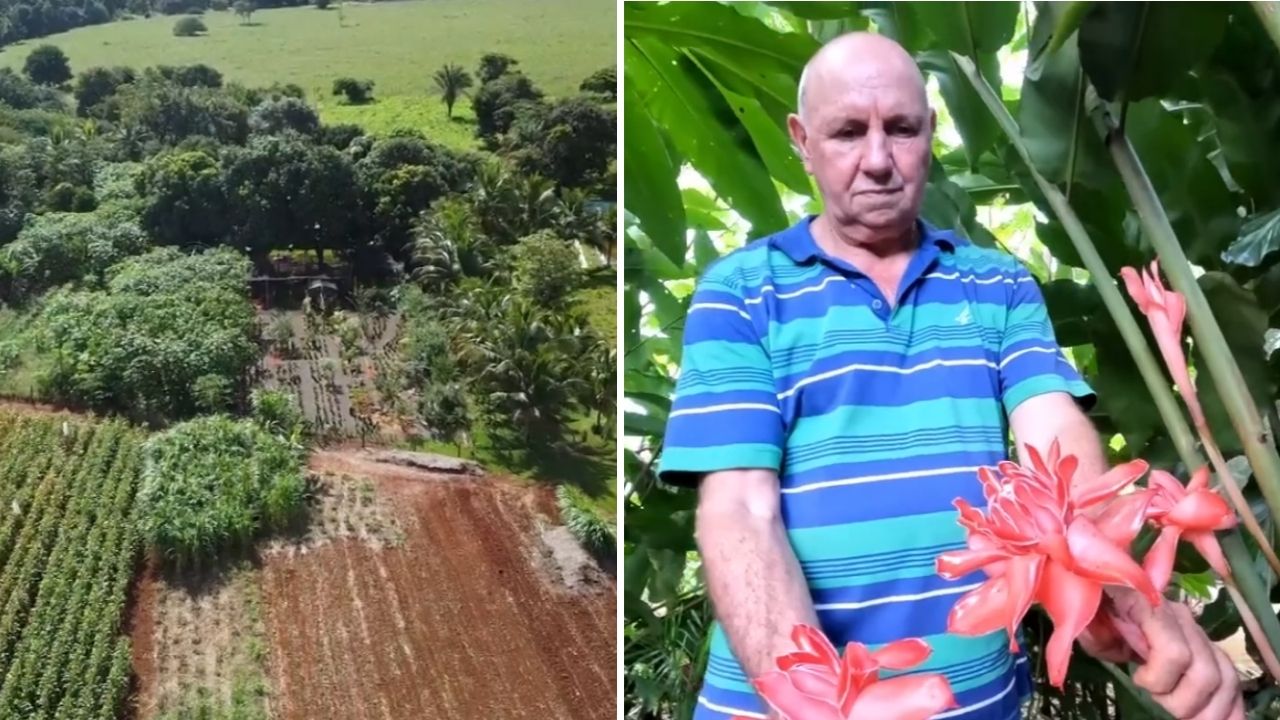
Chácara Massarotto 2 has had various activities before floriculture took the spotlight. The area went through pineapple, passion fruit, guava, cherry tomato, broiler chicken, free-range pig, semi-confined cattle, jiló, eggplant, and other productions.
-
Brazil’s Highly Anticipated Highway Progresses with 8 Lanes, 24 Overpasses, and 2 Escape Ramps; Project Reaches 70% Completion, Set to Transform Traffic for 390,000 Vehicles Monthly

-
Siblings Leave Retirement and Decades in the Energy Sector to Rank Among Top 10 Efficient Poultry Farms, Plan Expansion in São Paulo
-
Man Compensated After Being Charged Property Tax for Over 30 Years Post-Sale, Court Upholds Decision in Southern Brazil

-
Mediterranean Storm Uncovers 1,800-Year-Old Roman Marble Columns Near Israel, Revealing Ancient Shipwreck and Insights into Imperial Architecture


The shift to flowers began gradually, with the resale of orchids purchased in Cuiabá and sold in Tangará da Serra. Then came arrangements, ferns, pothos, and gradually, the Bougainvillea, a plant that became decisive in the new direction of the property.
Bougainvillea became a product of higher added value
The Bougainvillea gained importance because it showed a higher return per unit sold. Field technician Henrique Machado de Oliveira, from ATeG Floriculture of Senar Mato Grosso, reported to Canal Rural Mato Grosso that the suggestion initially caused doubt in the producer, until the sale of a seedling for R$ 100.
This value changed the economic comparison within the farm. To reach R$ 100 with cherry tomatoes, the producer needed to harvest a larger volume and dedicate more time to crop management, while a well-formed flower seedling could concentrate more value in less physical product.
Flowers are sold between R$ 50 and R$ 80
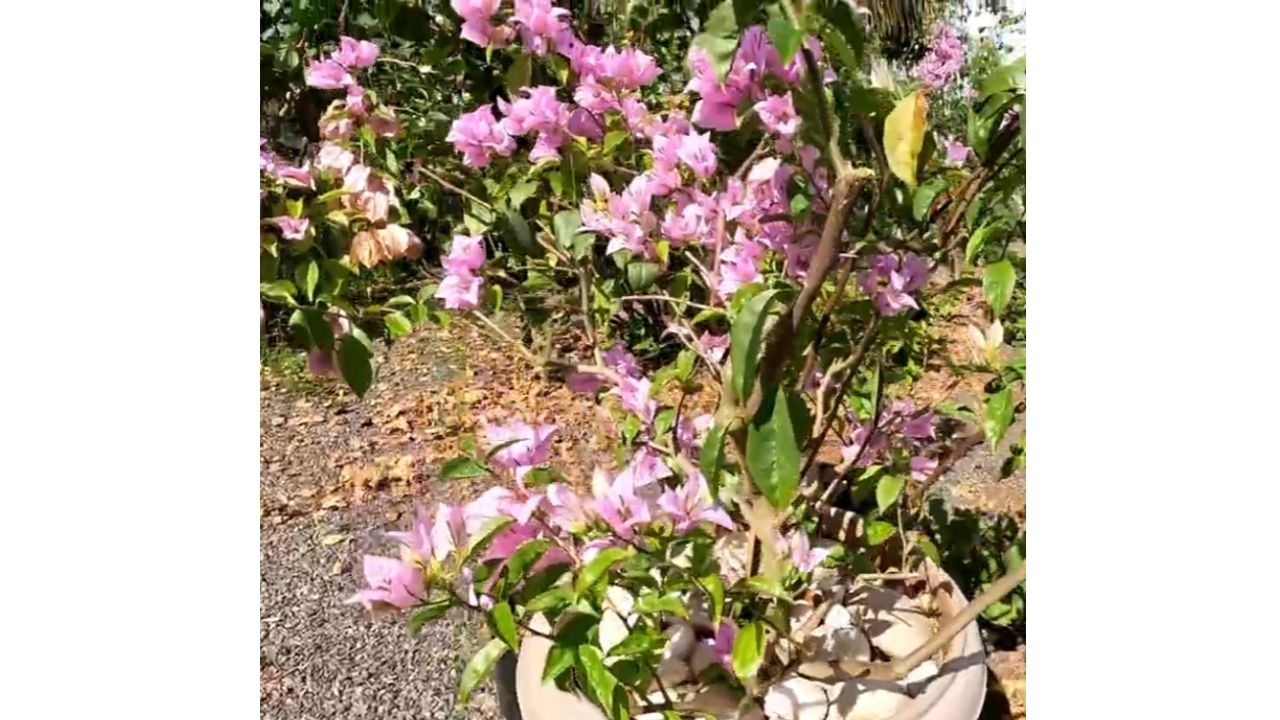
In the current routine, the Primavera seedlings are sold between R$ 50 and R$ 80, according to the account of Aparecido Valdomiro Massarotto to the program. This price helps explain why floriculture started to compete with other activities on the farm.
The reported monthly income varies from R$ 4,000 to R$ 5,000 most of the time. In months of stronger flowering, such as August, September, and October, revenue from flowers can reach R$ 6,000, as presented in the report.
One hectare concentrates ornamental production
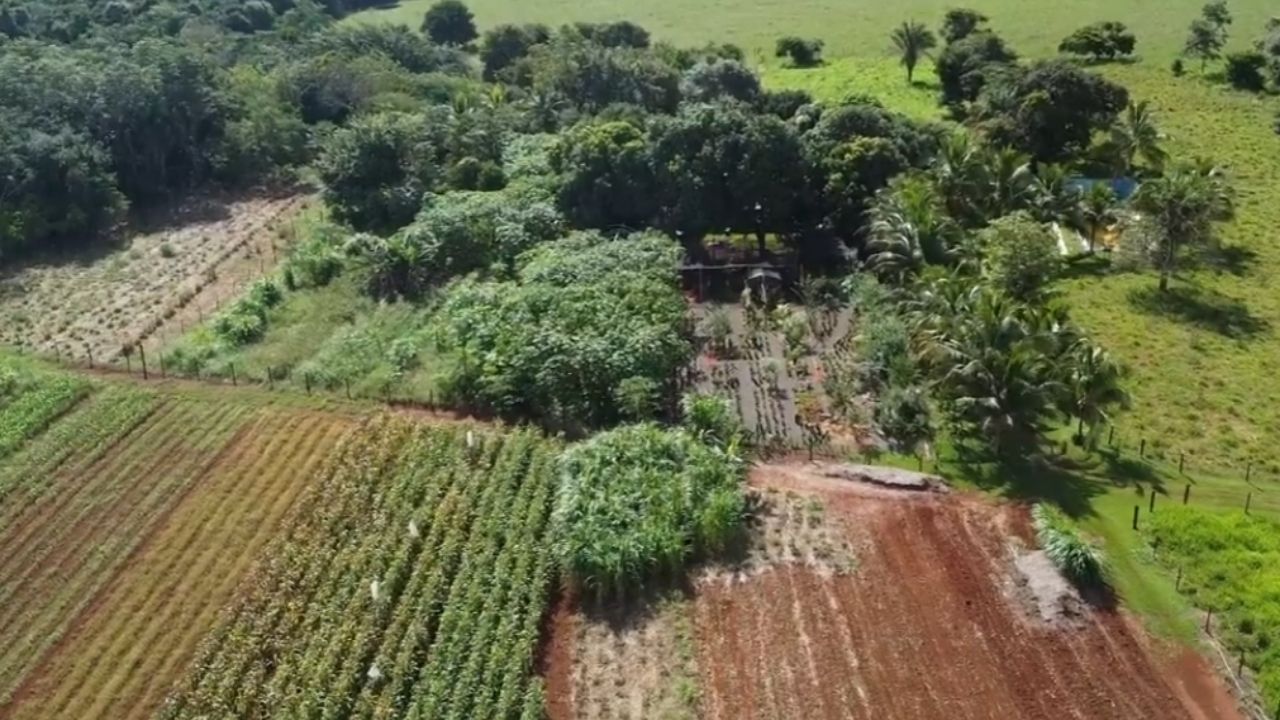
The flower production occupies 1 hectare of Chácara Massarotto 2. The scale is not large, but the model draws attention precisely for concentrating income in ornamental plants and specialized management.
The logic of floriculture is different from grain production or crops that depend solely on volume. In the case of ornamental seedlings, appearance, size, variety, finish, and timing of sale directly influence the commercial value.
Senar entered with diagnosis and planning
The arrival of Senar Mato Grosso occurred through the Technical and Managerial Assistance, ATeG Floriculture. In the first visits, technician Henrique Machado de Oliveira conducted a diagnosis of the property and observed that the main revenue came from cherry tomatoes, aromatic herbs, hanging plants, and orchid resale.
After this diagnosis, the guidance was to move towards diversification with higher value-added plants. The central point was not just to swap one crop for another, but to reorganize the farm’s portfolio based on market, management, and sales potential.
Management became part of the routine


In addition to cultivation guidance, the producer started using management tools. The technician mentioned the Senar Mato Grosso notebook and the Conecta Produtor app as resources to track income, expenses, and recommendations.
This control is important because floriculture involves a variety of products, different cycles, and prices that change according to size, species, and demand. Without management, the producer may sell well but not clearly see costs, margins, and investment priorities.
Portfolio includes more than just flowers
Visitors to the property find spices, medicinal herbs, hanging plants, foliage, orchids, Bougainvilleas, and other plants. This variety helps create a sales flow and attract different audiences.
The diversified portfolio also reduces dependency on a single product. When one plant is not at its best commercial moment, another can sustain part of the revenue, especially in nurseries that sell to local consumers, fairs, events, and social networks.
Palms can increase future income
The next move for the farm involves palm seedlings. According to the report, the producer and technician are already working on the production of these plants, which should expand the portfolio and increase the average sales value.
The palms still depend on certification in the National Register of Seeds and Seedlings, the Renasem. The documentation process was initiated by the Senar Mato Grosso technician, a necessary step before the green light for commercialization.
Seedlings can be worth up to R$ 600
The expectation with the palms comes from the market value according to size. A plant about 1.2 meters tall can be worth R$ 250 or R$ 300, while a palm of 1.5 meters can reach R$ 500 or R$ 600, according to technician Henrique Machado de Oliveira.
This detail shows an important difference in ornamental floriculture: if the plant is not sold immediately, it can continue to grow and gain value. Unlike highly perishable products, some seedlings can remain in the nursery and appreciate over time.
Tangará da Serra stands out in plant production
Tangará da Serra is presented by Canal Rural Mato Grosso as an example in research and production of flowers and plants in the State. ATeG Floriculture is in its second class in the municipality, with 29 producers served.
According to the technician, local production includes tropical flowers, pots, and foliage. Some producers sell at fairs, Senar events, municipal activities, and also through social networks, combining in-person sales and digital promotion.
Flowers show a new income logic in the countryside
The case of Chácara Massarotto 2 shows how flowers and ornamental plants can generate income in a small area when there is management, portfolio, local sales, and technical assistance. The Primavera opened space for a strategy of higher added value, while palm trees appear as a future bet.
The experience also reinforces that small properties can seek alternatives beyond traditional crops, provided they have planning and market.
Do you think flowers, seedlings, and ornamental plants can gain more space in rural income in Mato Grosso and other states? Leave your opinion in the comments.