Portuguese
  Spanish


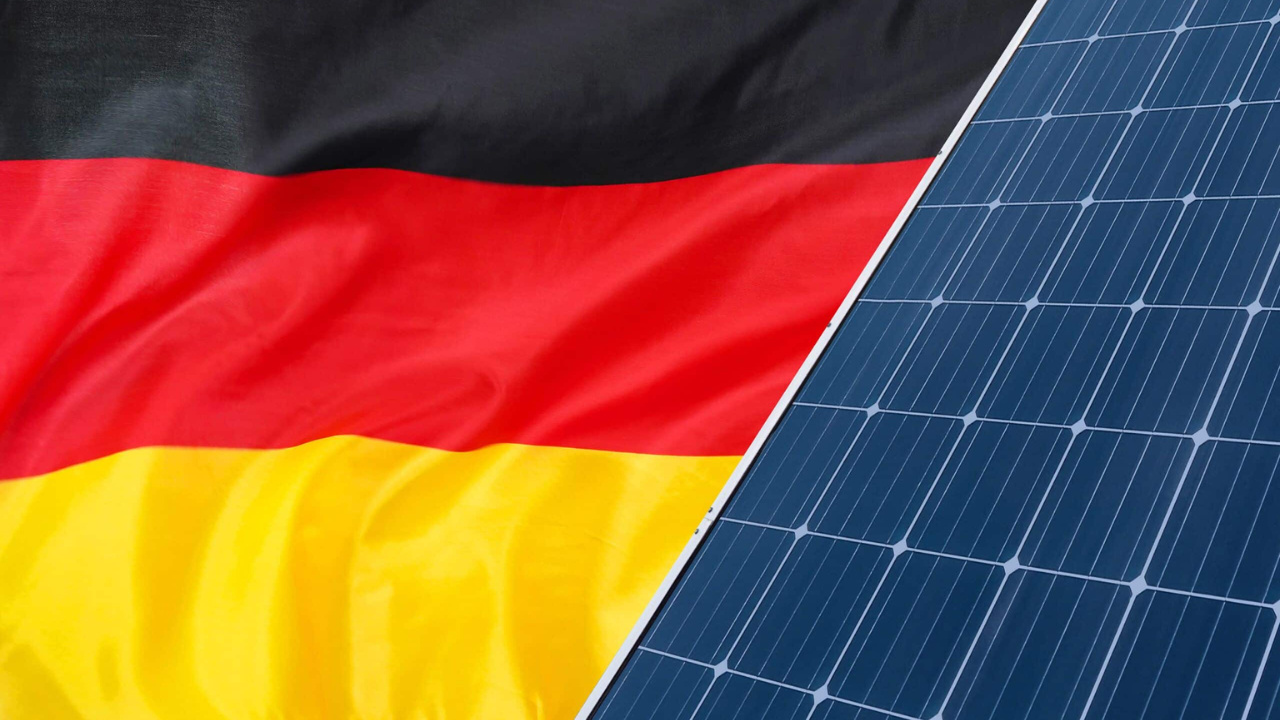

Research Reveals That Solar Energy Reduced Electricity Prices in Germany by Up to 15% in 2024, Generating Billions in Savings and Strengthening the Debate on Maintaining Photovoltaic Incentives.
The expansion of solar energy in Germany has attracted attention following the publication of a study commissioned by the German Solar Energy Association (BSW-Solar). The analysis, conducted by the consulting firm Enervis, shows that photovoltaic systems not only ease the burden on consumers but also ensure significant benefits for the national economy. Amid discussions about subsidy cuts, the findings revive the defense for the continuation of public incentives.
Solar Energy Already Reduces Costs for Consumers and for the Country
According to Enervis, the presence of solar energy was crucial for the electricity market in 2024. The study states that without photovoltaic generation, the price of electricity would have been, on average, 15% higher. This difference translates to 6.1 billion euros in savings over the year, benefiting both households and industries.
Furthermore, even those without their own systems benefit. The research indicates that households without photovoltaic panels save about 50 euros per year, thanks to solar energy injected into the grid. This collective impact was reinforced by Carsten Körnig, the CEO of BSW-Solar:
-
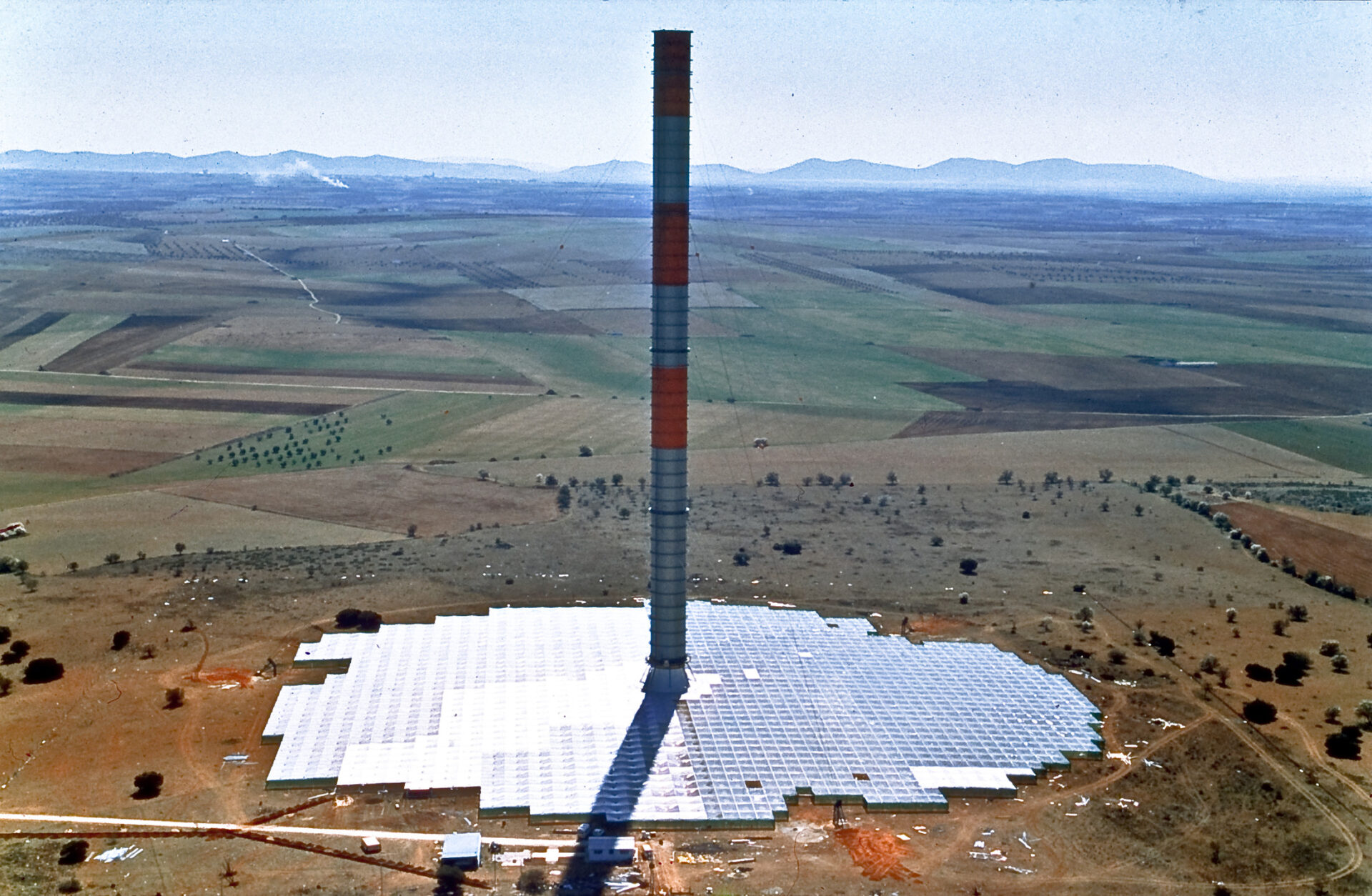
Over 60 Tractors Take to the Streets in Lopera as Solar Parks Compete with Olive Groves, Affecting 13,000 to 100,000 Trees According to Conflicting Reports

-
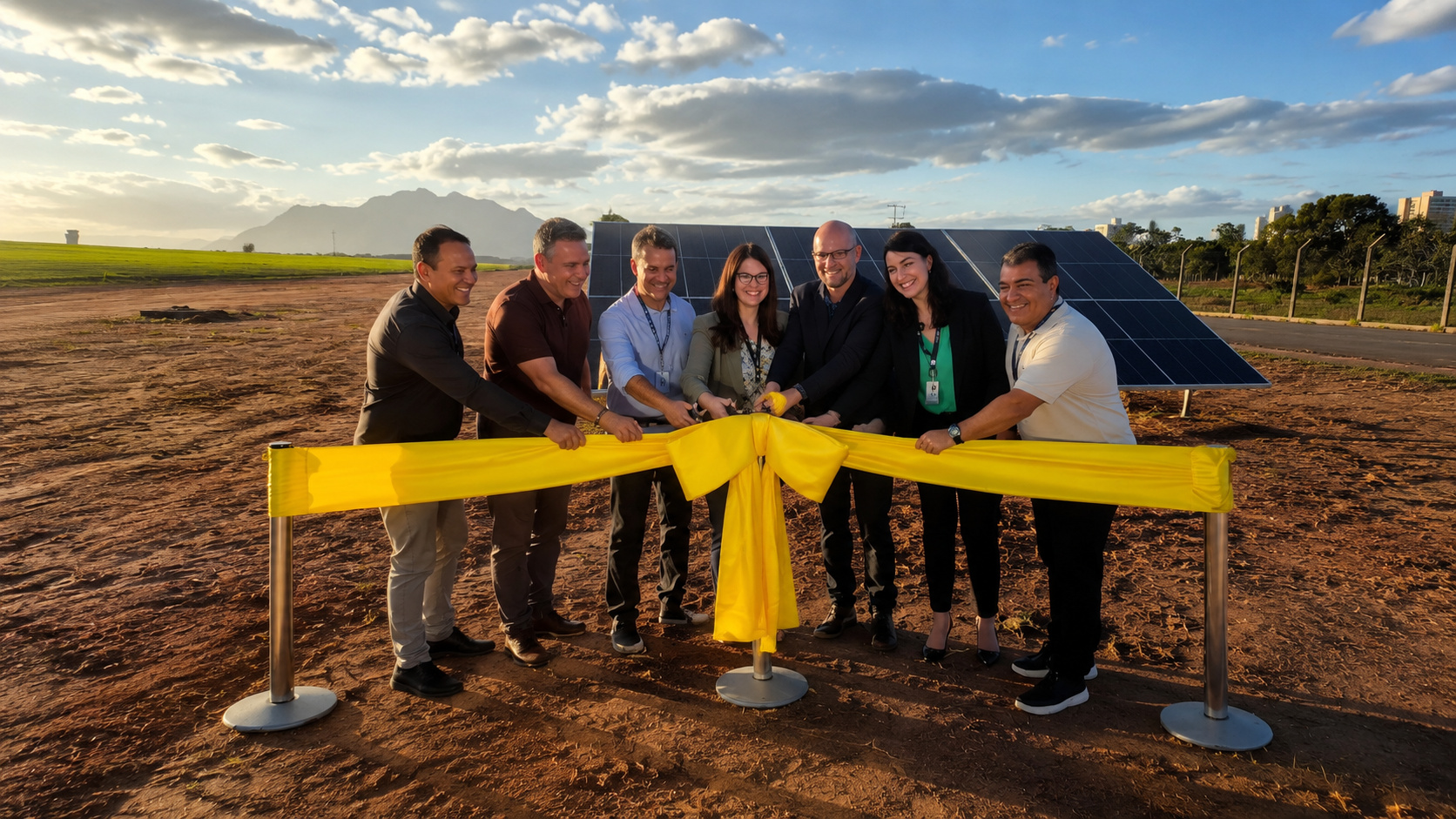
Brazil’s Vitória Airport to Launch Solar Plant Covering Area of 10 Soccer Fields, Boosting Clean Energy and Cutting Costs
-
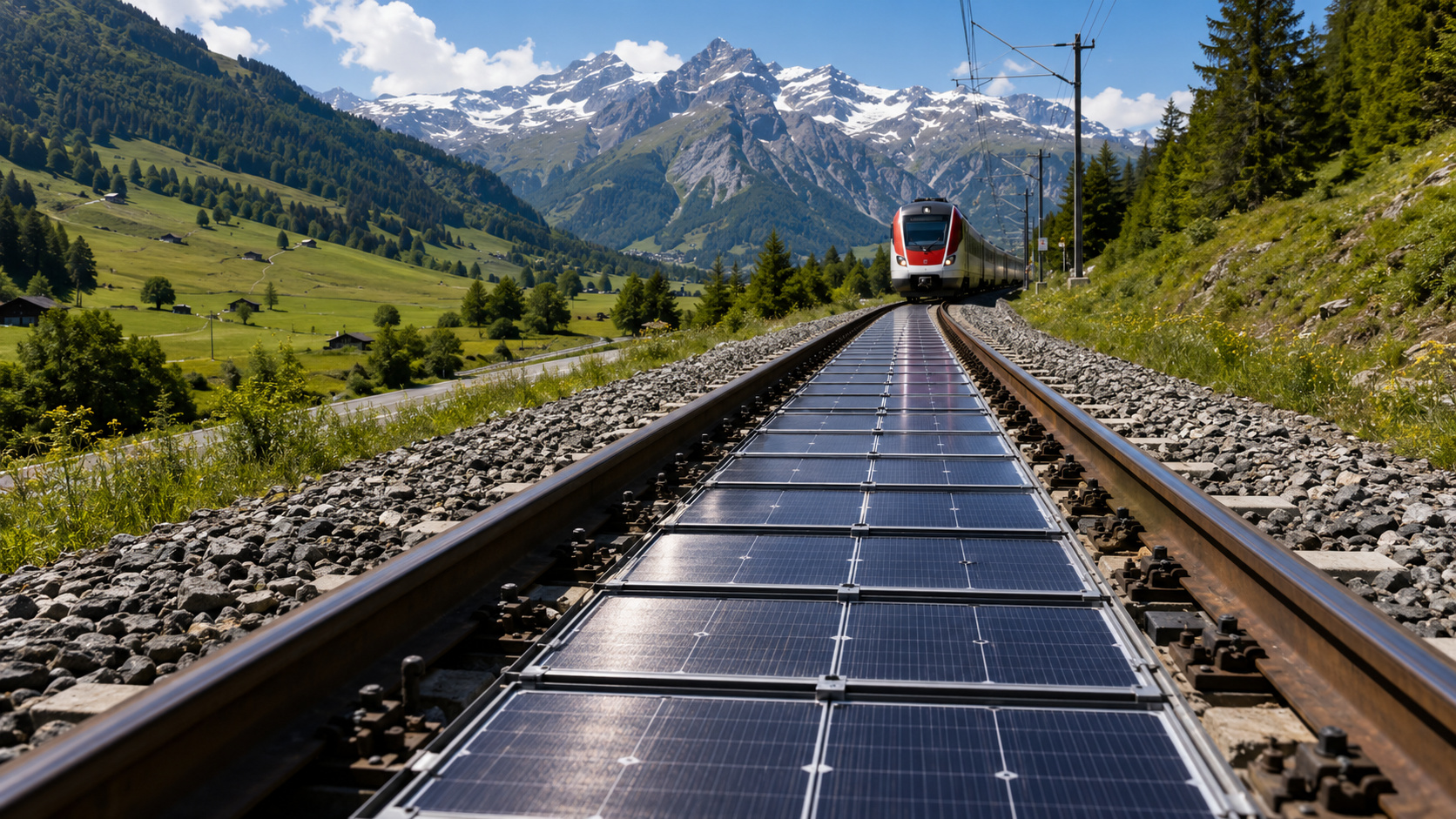
Switzerland Converts Train Tracks into Solar Power Plants with Removable Panels to Generate Energy Without Using Additional Land
-
Surge in Solar-Powered Homes in Brazil Leads to Grid Strain and Connection Restrictions in Three States


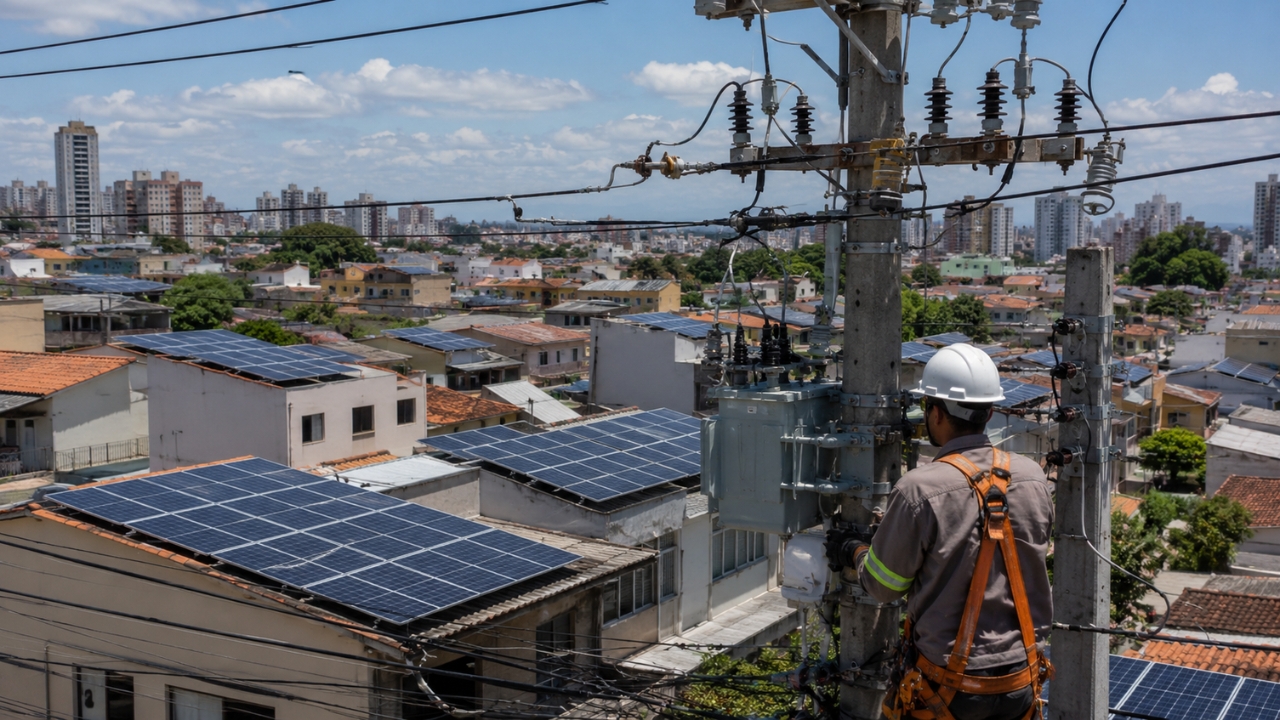
“Thus, it is not only the approximately three million homes with their own solar rooftops that benefit from accessible solar energy, but all citizens. The moderating effect of solar prices on the electricity market already benefits the economy.”
Industrial Performance and Significant Results in 2024
In the productive sector, the results are also noteworthy. Companies with an annual consumption of ten gigawatt-hours recorded savings of up to 120 thousand euros in 2024. This data reinforces the weight of photovoltaics in industrial competitiveness during a time of high energy demand.
In addition to direct savings, the study highlights another relevant factor: Germany collected around 1.3 billion euros from electricity exports, driven by the increased supply and stability provided by solar energy in the system.
Outlook Indicates Even Cheaper Energy by 2030
Enervis projects that the downward trend will continue in the coming years. With the planned expansion of photovoltaics until 2025, wholesale electricity prices could drop 21% by 2030.
If confirmed, this reduction will allow households to save more than 70 euros per year, while companies consuming ten gigawatt-hours could achieve an annual savings of 180 thousand euros. These figures reinforce the strategic role of solar energy in the energy transition and price stability.
Debate on Subsidies and Sector Concerns
The study comes at a decisive moment, as statements from the Minister of Economy, Katherina Reiche, raised alarms by mentioning possible cuts to incentives. For BSW-Solar, the data proves that expanding subsidies is essential to accelerate the adoption of solar energy and avoid setbacks.
Körnig reinforces this view by stating:
“Attractive and reliable conditions create the necessary ground for us to continue reaping the benefits of the energy transition in the form of effective climate protection and price moderation.”
However, recent surveys show that without financial support, adoption would plummet. A survey of 132 installation companies indicates that only 4 out of 10 consumers would invest in a photovoltaic system without subsidies.
Public Opinion and the Risk of Deceleration
Data from YouGov confirms the scenario. Among 248 homeowners planning to install solar panels, only 40% would maintain their decision if subsidies were reduced or eliminated. Only 12% would proceed with the installation with complete certainty.
Social perception also reinforces the defense for maintaining supports: a survey with 2,355 respondents indicates that 8 out of 10 Germans are in favor of continuing solar energy incentive policies.