






 Portuguese
  Spanish


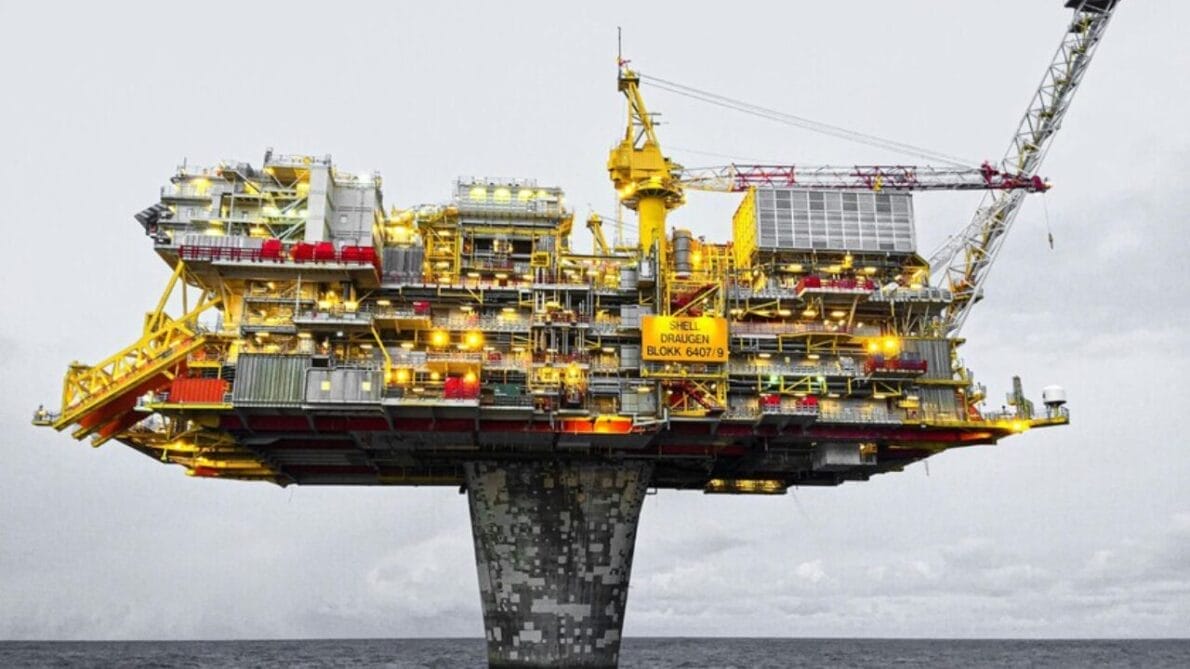

The Excess Of Oil By 2030 Will Bring Economic And Environmental Challenges. Find Out How The Industry Needs To Adapt To The Global Energy Transition.
The International Energy Agency (IEA) has issued a concerning alert: an unprecedented oil overproduction is on the way and will require significant adjustments in the energy industry.
Despite global measures to advance towards carbon neutrality, oil producers continue to invest millions of dollars to increase their extraction capacity. According to the latest IEA report, this imbalance between supply and demand will result in a colossal oil surplus by 2030, with eight million barrels of oil per day remaining unsold.
Path To Excess: Changes In Transportation And Power Generation
The massive adoption of electric vehicles is transforming the global transportation landscape. Currently, one in five cars sold is electric or plug-in hybrid. In 2018, this proportion was ten times smaller, at just 2%. This increase in the global fleet of electric and hybrid vehicles reduces the demand for gasoline and diesel, thus decreasing the need for oil.
-
UK Teachers to Receive 6.6% Pay Rise Over Two Years, With Schools Covering Part of the Costs

-
Golden Pass LNG Ships First Liquefied Gas Cargo from the U.S., Completing $10 Billion QatarEnergy and ExxonMobil Investment

-
Shell and INEOS Confirm Far South Discovery Nearly Eight Kilometers Below the Gulf of Mexico Seabed
-
Abu Dhabi Acquires Brazil’s Largest Soybean Export Terminals for $835 Million, Gaining Control Over Key Ports in Santos and Itaqui


Furthermore, electricity generation is also evolving. Middle Eastern countries, which traditionally used large amounts of oil to generate energy, such as Saudi Arabia, are migrating to renewable energy sources or natural gas.
Impact Of The Chinese Economy
The IEA report also highlights the slowdown of the Chinese economy as a crucial factor in the anticipated decline in oil demand. Although the Chinese economy is not in crisis, its growth is expected to decrease from 6% to around 4%, which could have significant consequences for the sector, as China is the world’s largest oil importer.
Geopolitical Consequences Of Oil Excess
An oversupply of oil would cause a sharp drop in prices, weakening the economic power of Middle Eastern countries. The abundance of oil would force producers to scale back their activities, resulting in the closure of refineries, affecting thousands of jobs and the economies of entire regions dedicated to this industry.
The United States would also need to make adjustments, as it has emerged as the largest shale oil producer thanks to fracking.
Environmental Impacts And The Call For Change
Oil consumption is expected to increase slightly to 105.4 million barrels per day by 2030, according to the IEA. However, production will reach 113.8 million barrels per day. This overproduction not only has economic consequences but also exacerbates greenhouse gas emissions, which the world is trying to reduce. The oil industry has little time to adapt to the inevitable paradigm shift.
For more details, consult the full report from the International Energy Agency here.
Necessary Changes In The Oil Industry
The oil industry faces significant challenges in adjusting to this new reality. It is essential that producers implement cleaner technologies and invest in renewable energy sources to remain relevant and sustainable in the future. Time is running out, and the transition to a low-carbon economy is inevitable.


A transição energética não existe! Qual é a alternativa a todo o petróleo que usamos hoje?