Portuguese
  Spanish


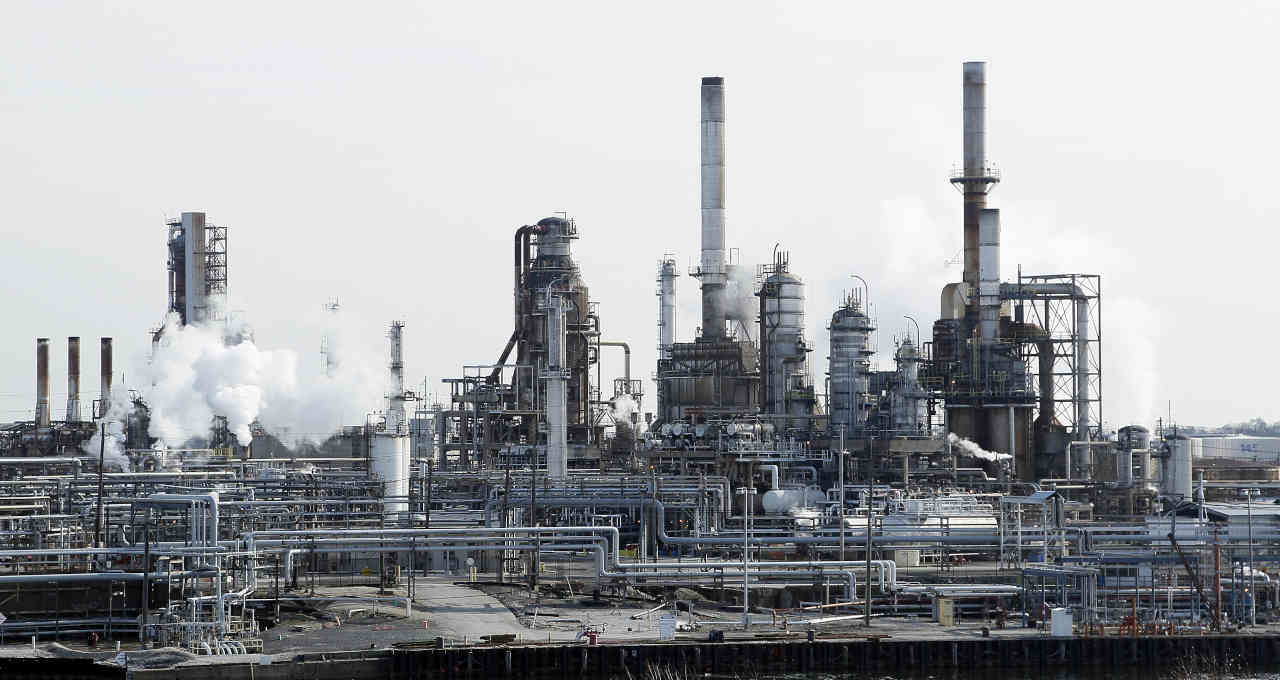

COP28 In Final Confrontation Over Climate Consequences and Financial Support for Vulnerable Countries.
COP28 aims to seek a global consensus to gradually reduce the use of fossil fuels. The summit is at a decisive moment, with countries approaching a final confrontation about the possibility of reaching an agreement in this direction. UN Secretary-General António Guterres emphasized the importance of an agreement to reduce the use of oil, gas, and coal rapidly enough to avoid disastrous climate consequences.
Emissions from the burning of fossil fuels are the primary driver of climate change. Furthermore, OPEC opposes an agreement on the gradual phasing out of fossil fuels, which has a significant impact on COP28 negotiations. A global agreement to abandon fossil fuels could signal a political willingness to reduce the use of profitable products that some economies depend on, but there remains opposition from countries like Saudi Arabia, which are among the main opponents of a phased elimination of fossil fuels.
Fossil Fuels: Climate Consequences and the Final Confrontation
Fossil fuels, such as oil and gas, have been a vital energy source for the global energy system. However, the excessive use of these fuels has led to severe climate consequences. The final confrontation between proponents and opponents of fossil fuels has become increasingly intense.
-
Petrobras Secures $2.2 Billion Contract to Build and Operate Four Support Vessels for Brazil’s Offshore Oil Fields

-
Oil production grows in Rio, but reserve replacement raises a warning sign

-
Petrobras is expected to complete the drilling of the Morpho well in the Foz do Amazonas in August 2026, the first well in the Equatorial Margin, an oil frontier that the ANP estimates at more than 30 billion barrels and could redraw the map of Brazil.

-
Oil returns to the center of concerns with tension between the US and Iran





Financial Support for Climate Vulnerables
With the increasing climate consequences caused by fossil fuels, the need for financial support for the most vulnerable countries and communities has grown. The impact of fossil fuel consumption has been devastating for many regions.
Alternatives to Fossil Fuels
In light of the severe climate consequences, efforts are being made to seek alternatives to fossil fuels. The transition to renewable energies has proven crucial in mitigating negative climate effects. However, the challenge of completely replacing fossil fuels remains significant.
Challenges in Abandoning Fossil Fuels
The complete abandonment of fossil fuels faces various challenges, both technological and economic. The dependency of the global energy system on these fuels makes the transition more complex. However, it is necessary to tackle these challenges to ensure a sustainable future for the planet.
Economic Impact of Reducing the Use of Fossil Fuels
Reducing the use of fossil fuels will have a significant impact on the global economy. However, investing in sustainable alternatives can bring long-term benefits. Financial support for the energy transition will be essential to minimize the economic consequences of abandoning fossil fuels.
Conclusion: The Urgency of Combating Excessive Use of Fossil Fuels
In light of the increasingly evident climate consequences and the final confrontation between proponents and opponents of fossil fuels, the urgency to act is clear. Supporting the transition to renewable energies and reducing dependence on fossil fuels is essential to ensure a more sustainable future for the planet.
Source: MoneyTimes