Portuguese
  Spanish


Set Goals And Strategies For Financing The Global Energy Transition And Ensure A Sustainable And Accessible Future For All.
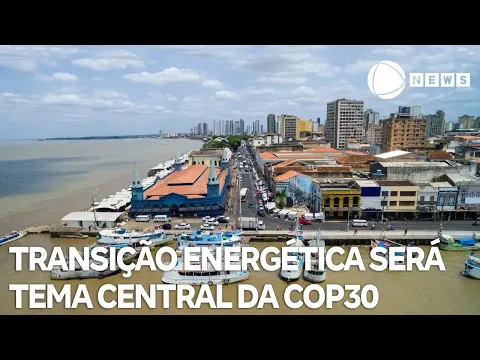
The COP30 emerges as a decisive milestone in the history of the global energy transition. The meeting brings together leaders, scientists, and representatives from all continents in search of fair and effective financing for the decarbonization of the global economy.
Amid the climate urgency and rising inequalities, the conference has the mission to define clear and sustainable mechanisms to ensure that developing countries have access to financial and technological resources.
This task becomes even more relevant in the face of the challenge of replacing fossil sources with accessible and clean renewable energies, without compromising economic growth or social justice.
-
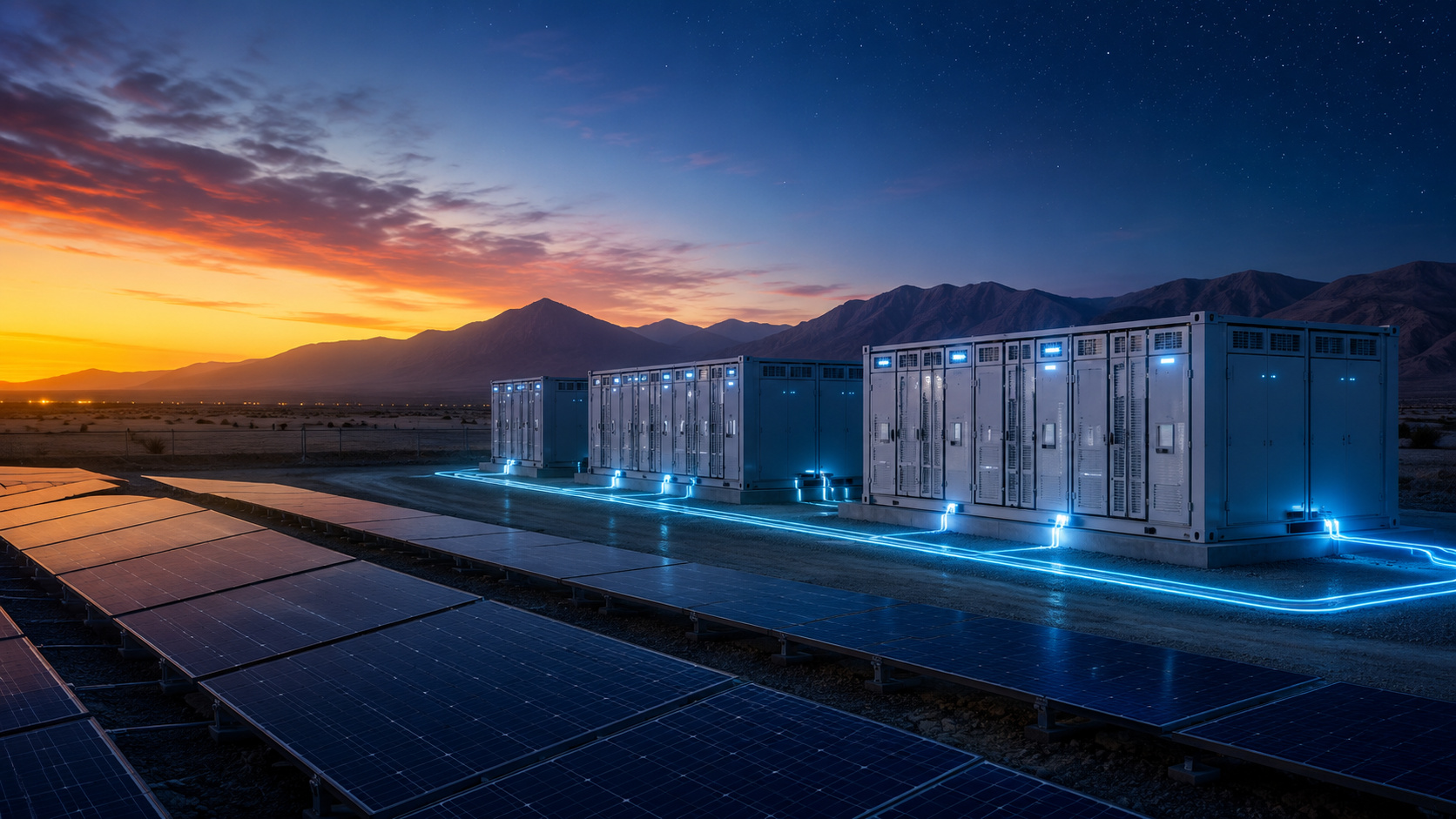
Giant Batteries Take Center Stage in Chile Auction as Company Offers 960 GWh of Solar Energy for Nighttime Use, Aiming to Stabilize Solar Power Supply

-
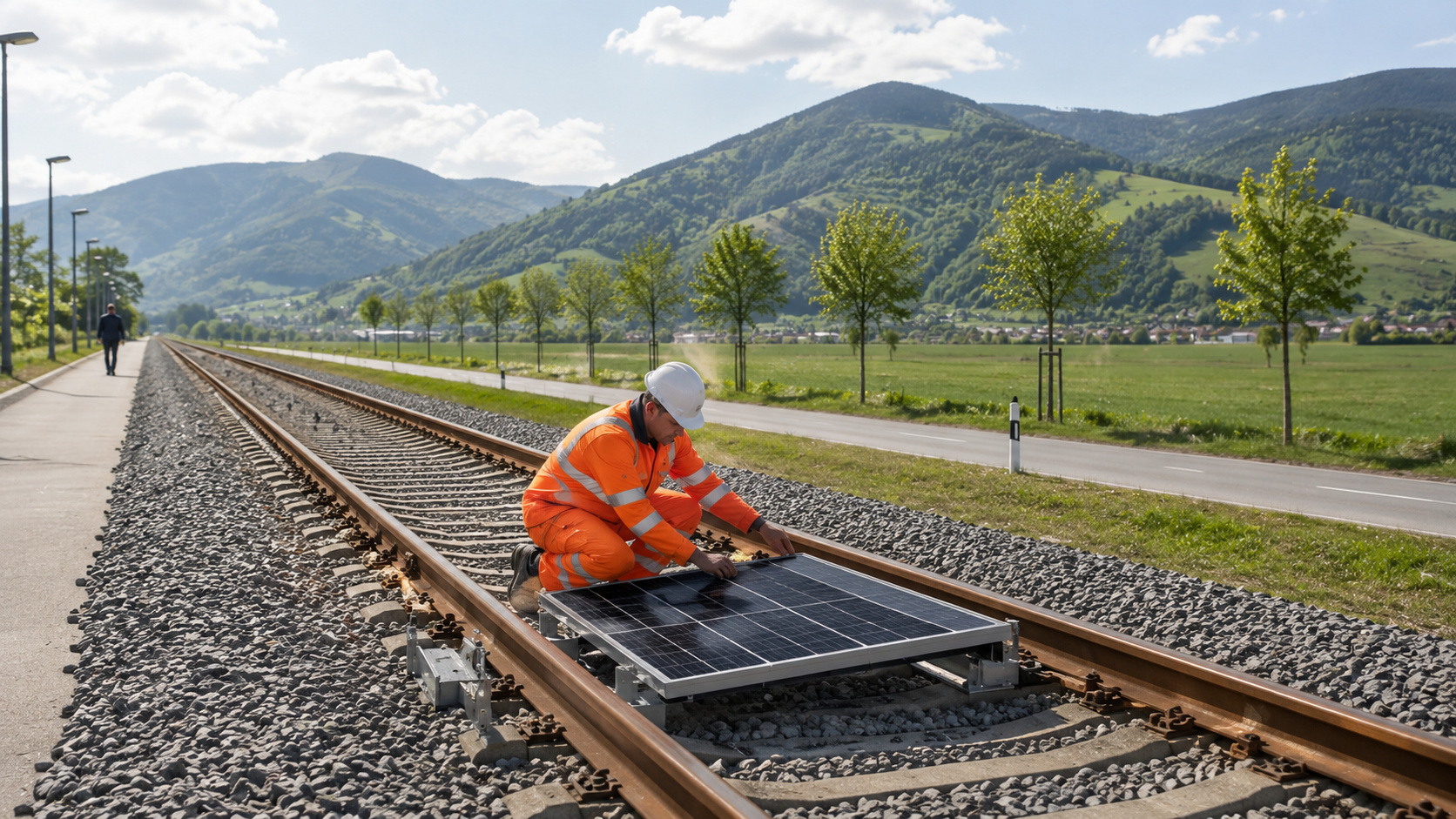
After a Year of Success in Switzerland, Solar Railway Attracts Italy’s Interest for Clean Energy Transformation
-
Robots Clean Solar Panels in Desert Power Plants Without Water, Preventing Energy Losses
-
Brazil’s Offshore Wind Energy Potential Worth $1 Trillion Stalled by Long-Delayed Agreement



The Historical Challenge of Financing the Energy Transition
Since the beginning of global climate negotiations at the UN conferences, financing the global energy transition has been the central point of divergence among nations.
In the 1990s, when the first environmental commitments emerged, it became clear that rich countries, responsible for most of the historical emissions, should financially support developing countries.
These resources would allow not only the adoption of clean technologies but also the creation of low-carbon infrastructure.
However, more than three decades later, the commitments made have not been fully realized.
The promised funds, such as the 100 billion dollars annually agreed upon in 2009 at COP15, have rarely been delivered in full.
This gap fuels mistrust among countries and reinforces the need for a stable and transparent climate financing mechanism.
The Importance of COP30 for Redefining Commitments
The COP30 represents a historic opportunity to correct inequalities and ensure that the energy transition is truly global.
The event seeks to consolidate the role of emerging economies, like Brazil, in leading sustainable solutions and strengthening international cooperation.
Moreover, the conference aims to create new financial instruments that make access to credit faster and less bureaucratic, especially for vulnerable countries.
This includes specific investment lines for solar, wind, biogas, and green hydrogen energy.
These sources can accelerate decarbonization and generate green jobs, promoting a just transition for all.
The debate also involves the role of multilateral institutions, such as the World Bank and the IMF, which need to reformulate their financing models to address the climate urgencies of the 21st century.
Renewable Sources And International Cooperation As Pillars Of The Future
The financing of the global energy transition directly depends on the integration of technological innovation and consistent public policies.
Countries with abundance of natural resources, like Brazil, have the potential to lead this movement.
The Brazilian electrical matrix, composed mainly of hydropower, is already advancing with the expansion of solar and wind energy.
However, for this model to inspire the world, it is essential to have accessible climate funds capable of financing large green infrastructure projects.
Cooperation between nations will be crucial in this process.
Both bilateral and multilateral initiatives can enable technology exchange and technical training, strengthening local economies and expanding access to clean energy.
With this, developing countries can reduce dependence on fossil fuels and build a solid path toward carbon neutrality.
The Role Of Brazil And Latin America In The Energy Transition
Brazil stands out as a strategic player in discussions about financing the global energy transition.
With a diverse energy matrix and abundant natural resources, the country can be an example of balance between economic growth and environmental sustainability.
Latin America, as a whole, has huge potential for renewable energy production.
The region concentrates vast wind fields, high solar incidence, and potential for the generation of biofuels.
However, realizing this potential depends on the availability of international investments and on consistent public policies.
By hosting COP30, Brazil places itself at the center of decisions that will determine the pace and direction of the planet’s energy future.
This position offers the country the chance to propose innovative solutions and to attract strategic investments to the sector.
A Sustainable Future Requires Immediate Action And Solid Financing
The energy transition is not just a technical issue, but also a political and moral challenge.
While developed nations seek to adapt their economies, developing countries face difficulties in financing structural changes.
Thus, financing the global energy transition needs to be understood as a collective investment in the future of humanity.
Every dollar spent on clean energy represents a reduction in emissions and a step toward a more balanced planet.
Therefore, COP30 symbolizes more than just a conference: it is a call to shared responsibility.
The coming years will define whether the world can unite economic growth and environmental preservation.
With political will, innovation, and international solidarity, financing the global energy transition can become the engine of a new cycle of sustainable prosperity.