






 Portuguese
  Spanish



Brazil Cuts Budget For Energy Transition From R$ 4.44 Billion In 2024 To R$ 3.64 Billion In 2025, Compromising Climate Goals And Renewable Energies, Reveals Inesc.
Brazil has made significant cuts to the budget allocated for energy transition for 2025, according to Inesc. According to the report, the amount allocated to this area fell from R$ 4.44 billion in 2024 to just R$ 3.64 billion in the PLOA of 2025. This setback in financing may negatively impact the country’s efforts to meet its climate goals, as well as hinder the development of alternative energies.
Even with the global outcry for urgency in the energy transition, Brazil is not prioritizing this crucial aspect in its proposed law. The budget cuts could seriously compromise the necessary energy matrix change needed to achieve greater sustainability. At a time when clean energy is becoming increasingly vital, such decisions could significantly delay the necessary advancements in the field of renewable energies.
Context And Analysis Of Budgets
Even in the face of significant climatic events such as floods in Rio Grande do Sul and droughts and wildfires affecting the country, the Annual Budget Law Project (PLOA) for 2025 foresees significant cuts in resources allocated to energy transition. According to an analysis by Inesc (Institute of Socioeconomic Studies), the budget for this area will be reduced from R$ 4.44 billion in 2024 to R$ 3.64 billion in 2025, a cut of nearly 18%. Such a measure contrasts with the urgency of the energy transition in a global scenario of climate change.
-
Brazilian scientists are simultaneously advancing two research projects on clean hydrogen and driving solutions that could transform the energy matrix, enhance industrial competitiveness, and accelerate large-scale emission reduction targets.

-
Advancement in renewable energy: A R$ 150 million project launched by Petrobras and Finep aims to create state-of-the-art electrolyzers for green hydrogen, strengthening national research and preparing Brazil to compete in a billion-dollar energy market.
-
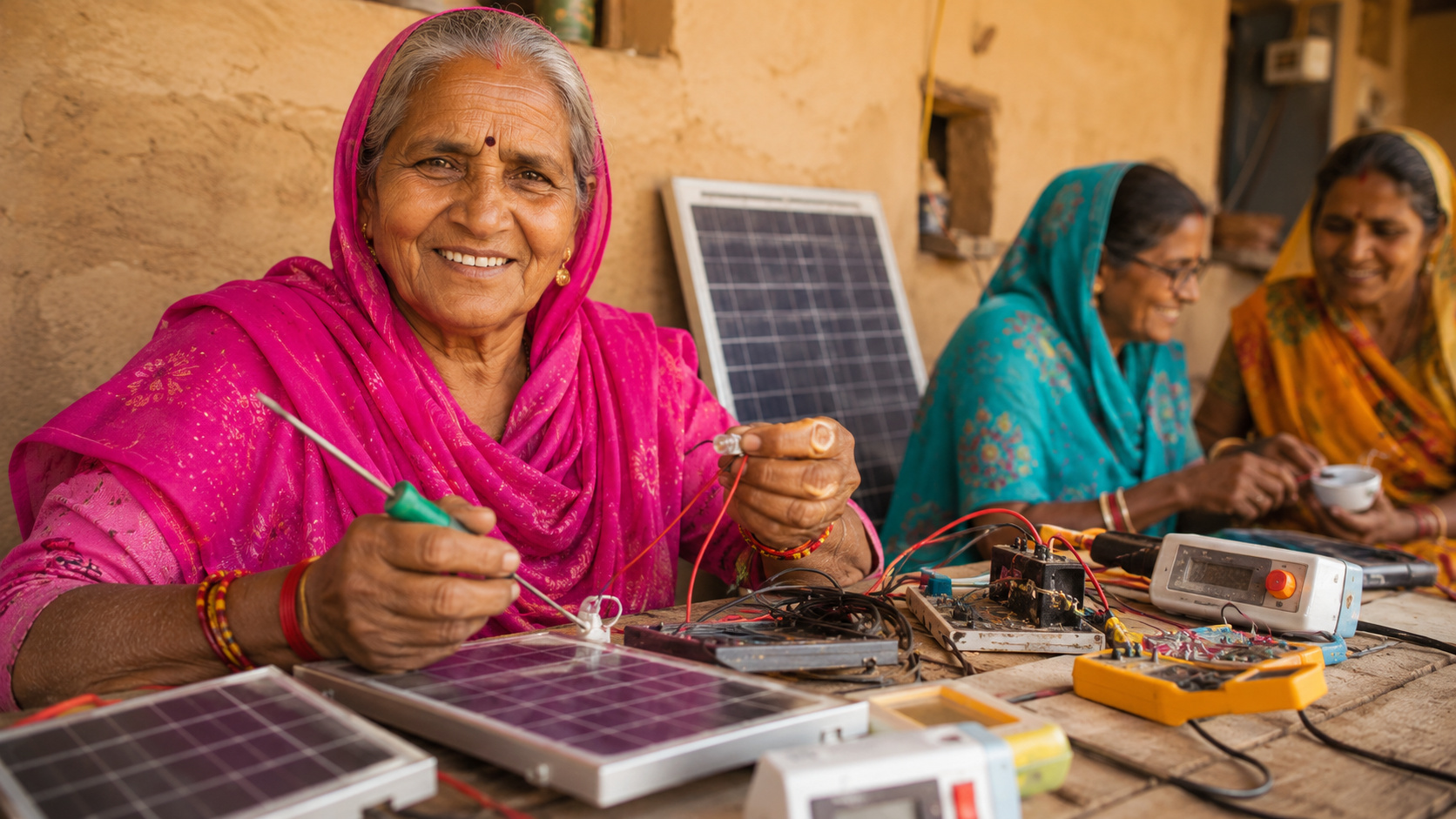
Illiterate or semi-literate grandmothers were trained to repair solar systems, open rural workshops, and light up homes that still depended on kerosene.
-
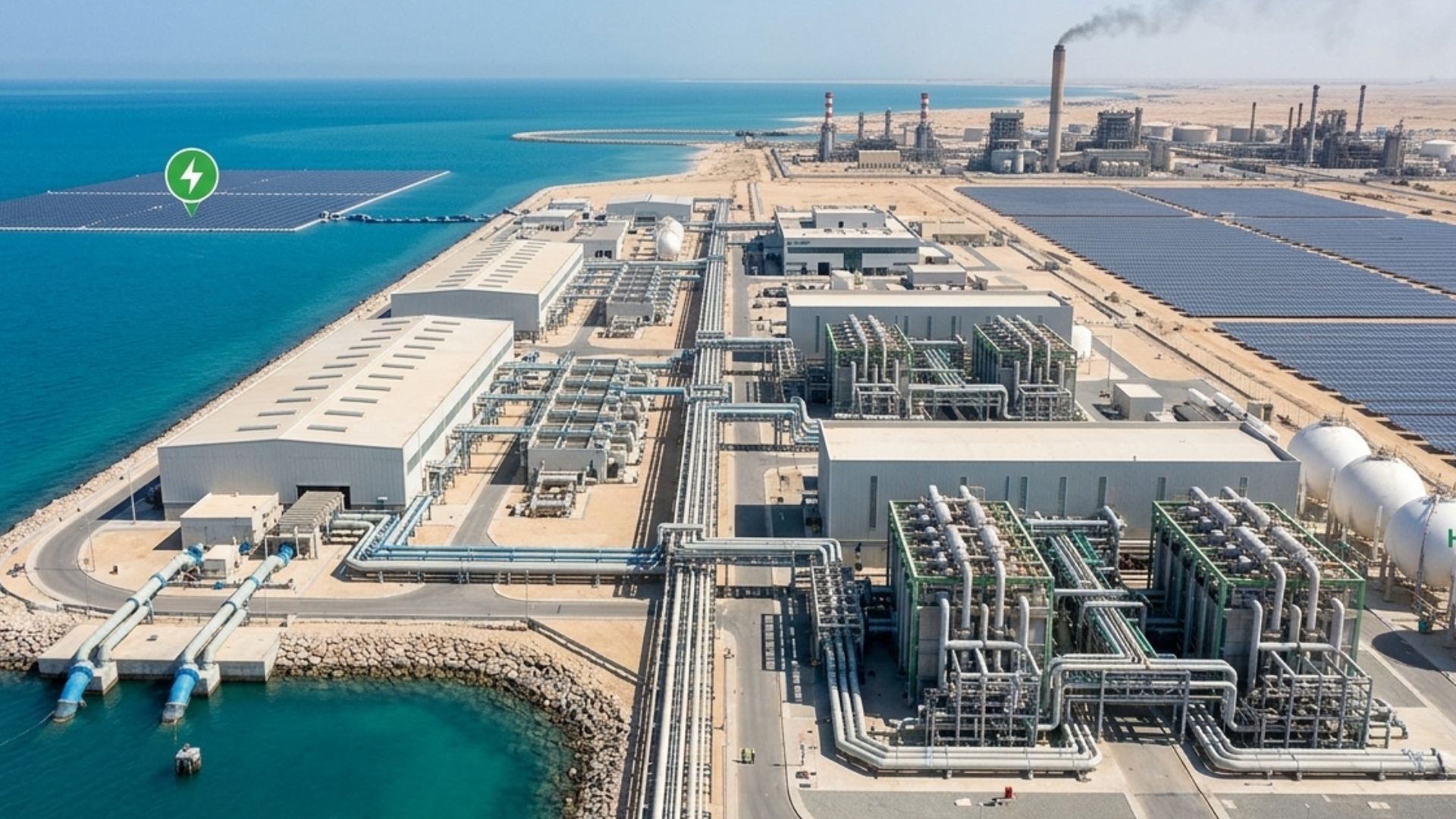
The world has bet on green hydrogen as the fuel of the future, but now faces the side effect: producing 1 kilogram requires about 9 liters of ultrapure water, and the largest projects on the planet are precisely in the driest regions of the Earth, where water is already scarce for people.



Cuts And Contradictions In Government Priorities
In 2023 and 2024, there were advances in some areas, such as the creation of a specific program in the Multiannual Plan (PPA) and an increase in resources for distributed generation. However, the allocated resources are still insufficient, especially compared to those allocated to fossil fuels. Of the total budget for the Energy Transition Program, managed by the Ministry of Mines and Energy (MME) and included in the PPA 2024-2027, half will be allocated to maintaining the oil industry and natural gas. This amounts to R$ 5.10 million, leaving only R$ 5.254 million for other clean energy initiatives in 2025.
Urgency Of Energy Transition
While the PPA promotes the participation of renewable energies and seeks to increase energy efficiency and adaptation capacity to climate changes, the budgetary direction reveals a paradox. ‘A significant portion of the resources is being allocated to sustain the fossil fuel industry’, warns Cássio Cardoso Carvalho, political advisor to Inesc. Carvalho points out that the resources are not only scarce but also perpetuate Brazil’s dependence on oil and natural gas, delaying the desired energy sustainability.
Resource Details
In the budget breakdown, it can be seen that the resources for planned studies in the energy sector and for energy transition in 2025 total R$ 10.357 million, with R$ 5.109 million earmarked exclusively for the oil and natural gas industry, while only R$ 1.550 million is for energy transition and planning. These figures, obtained from the Integrated Planning and Budget System (SIOP), clearly show the prioritization of resources.
Impacts On Family Farming
The Inesc analysis also covers the investments from the Ministry of Agrarian Development and Family Agriculture (MDA). This ministry has seen a decrease of 26.36% in resources for ‘Support for the Participation of Family Farming in Renewable Energy Chains’ and ‘Renewable Energization and Digital Inclusion for Family Farming’, falling from R$ 3.05 million to R$ 2.25 million. This reduction further hinders access to renewable energies for family farming, essential for energy sustainability.
Reduction Of Aids
The Ministry of Development and Social Assistance, Family and Fight Against Hunger also reduced resources, affecting the cooking gas subsidy for low-income families registered in the Single Registry. The official explanation for the change involves a restructuring of the gas aid policy, with the expectation of compensating the gas resellers by the Caixa Econômica Federal, using additional resources from the sale of excess Pre-Salt oil. The budget fell drastically from R$ 3.64 billion in 2024 to R$ 600 million in 2025, a decrease of 83.52%.
Increase In R&T In The Industrial Park
On the other hand, the Ministry of Science, Technology and Innovation saw a significant increase in resources, especially due to the New Industry Brazil Program (NIB), which aims to promote the energy transition in the Brazilian industrial park. Investments grew from R$ 800 million in 2024 to R$ 3.03 billion in 2025, an increase of 279%, showing a renewed focus on renewable energies and industrial modernization.
These data highlight a complex and contradictory scenario affecting Brazil’s energy transition, with budgetary decisions that, in many cases, still favor the fossil fuel industry, undermining energy sustainability and the fight against climate change.
Source: INESC Press






Be the first to react!