Portuguese
  Spanish


Even New and Functional, Corvette C8 is Destroyed by GM; Common Practice Aims to Prevent Certain Cars from Reaching the Streets
Not every new and functional car ends up on the streets. Within General Motors, some models come off the assembly line with their fate sealed: complete destruction.
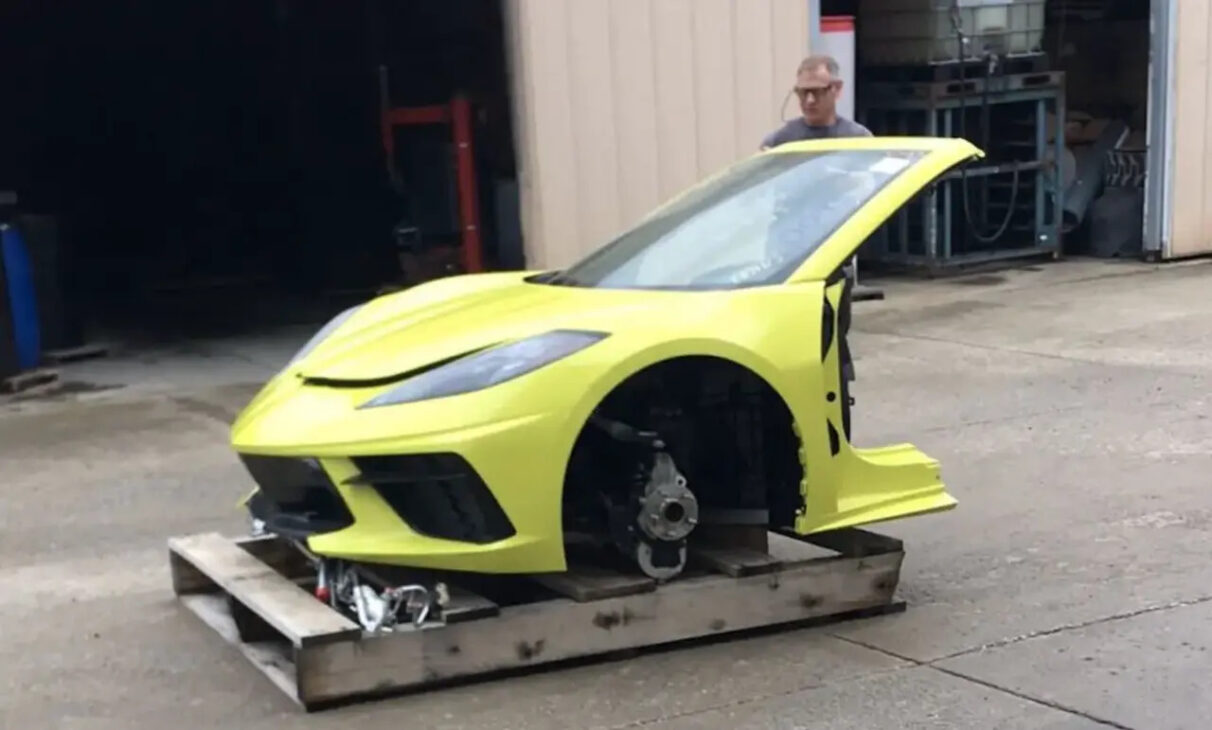
A recent case caught the attention of car enthusiasts. A Corvette C8, a modern supercar in perfect working order, was cut in half by the manufacturer itself. And it wasn’t due to an accident or factory defect. It was an internal decision.
Destruction with a Scheduled Time
This type of practice is more common than it seems in the automotive industry. Many vehicles are produced with the certainty that they will never be sold.
-
Volvo’s New Loaders Feature Obstacle Detection, Automatic Braking, and 360-Degree Operator View

-
Chinese Manager Accused of Whipping Worker Sparks Protest by 1,200 Employees at Major Brazilian Factory

-
France Revamps 530 Social Housing Units with Large Balconies and Glass Facades Without Demolishing Existing Buildings

-
10-Year-Old Max Makes History with Paris Fashion Show, Launches Own Brand, Hires Staff, and Sets World Record as Youngest Runway Designer





They are used for quality testing, technology development, or display at trade shows.
After fulfilling these roles, GM’s protocol is clear: the car must be destroyed. Brandon Woodley, responsible for carrying out this task, explained how everything is done.
With a simple Sawsall saw—a common tool in workshops—it’s possible to cut a Corvette in half in just three minutes.
No Chance of Circulation
The cut is literal. There are no ceremonial hammer blows or partial disassembly. The entire car is divided.
In many cases, these vehicles don’t even get a chassis number (VIN), which prevents any chance of registration.
Even in cases where they do have a record, like the Corvettes affected by tornadoes at the Bowling Green factory in Kentucky in 2021, GM itself cancels the data in the system.
This makes any attempt at reconstruction or future legalization impossible.
Images That Shock Fans
The destruction of the Corvette C8 was documented with images showing the car still shining, divided in two halves. For Chevrolet fans, it’s a hard scene to watch.
The visual impact sparks debates. Why not turn these parts into art, furniture, or trailers? The internet wasted no time and already suggested alternative destinies: stylish barbecues, automotive sculptures, or sporty-looking trailers.
The Rule is Strict
Despite the creative ideas, GM maintains its protocols. Cars used in tests or affected by disasters are considered unsuitable for consumers. Even functioning perfectly, they don’t get a second chance.
According to the company, this is part of quality control. The goal is to ensure that only vehicles with a clean history reach customers’ hands.
Couldn’t the Corvette Have Another End?
The case of the Corvette cut in half raises a question. A functioning car, even without a legal chance to drive, couldn’t it have another end?
For now, the industry’s answer remains the same: protocol is protocol. And the Corvette, even new and powerful, was yet another to end up on the workshop floor—cut in half.
With information from Automotive News.