Portuguese
  Spanish


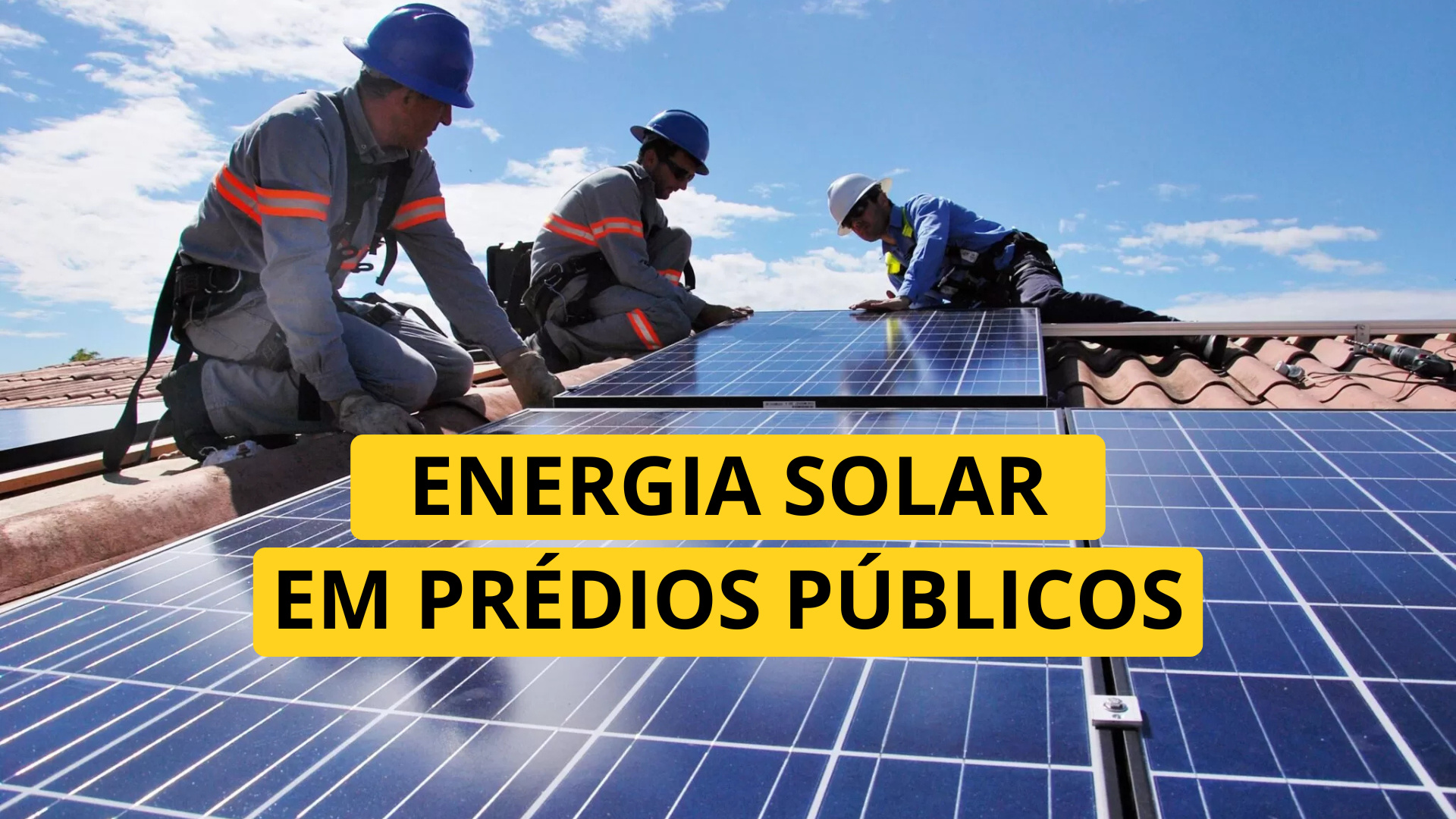

The City Hall of Cotia Invests in Solar Energy for Public Buildings, Promoting Clean Energy, Savings in Municipal Spending, and Sustainability for the City
The City Hall of Cotia took a significant step towards sustainability and public resource savings by initiating the implementation of solar energy systems in public buildings this Monday (1). The project started at the Benedicta Stefano Antunes de Oliveira Daycare, located in the Caucaia do Alto neighborhood, with the goal of expanding the use of clean energy throughout the city. The initiative aims to reduce electricity costs and promote environmental preservation, positioning Cotia as a reference in energy efficiency.
Investment in Solar Energy and Immediate Benefits
The adoption of solar energy by the City Hall of Cotia is an efficient strategy to reduce public spending and encourage sustainability. The pioneering daycare received 428 photovoltaic modules, ensuring that the building will be fully powered by renewable energy by October 2025.
Data from the National Electric Energy Agency (ANEEL) indicates that solar energy systems can drastically reduce the electricity bill of public buildings, depending on consumption. For Cotia, the expectation is that the savings generated will be reinvested in education, health, and infrastructure, promoting a sustainable cycle of benefits for the population.
-
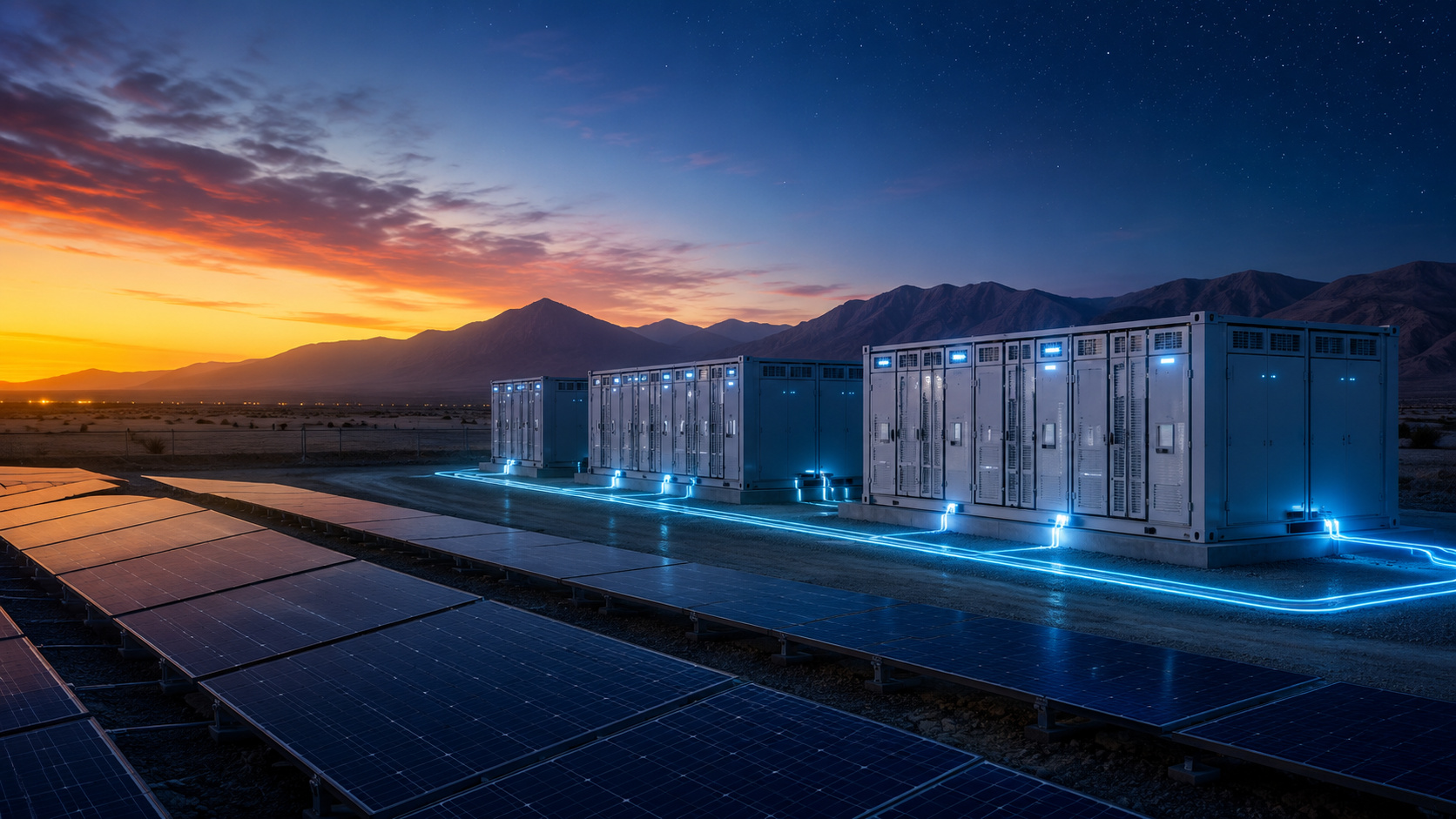
Giant Batteries Take Center Stage in Chile Auction as Company Offers 960 GWh of Solar Energy for Nighttime Use, Aiming to Stabilize Solar Power Supply

-
World’s Largest Engie Solar Plant in Brazil Highlights Billion-Dollar Energy Waste Issue: Company Considers Batteries and Bitcoin Mining to Avoid Wasting Production

-
Over 60 Tractors Take to the Streets in Lopera as Solar Parks Compete with Olive Groves, Affecting 13,000 to 100,000 Trees According to Conflicting Reports
-
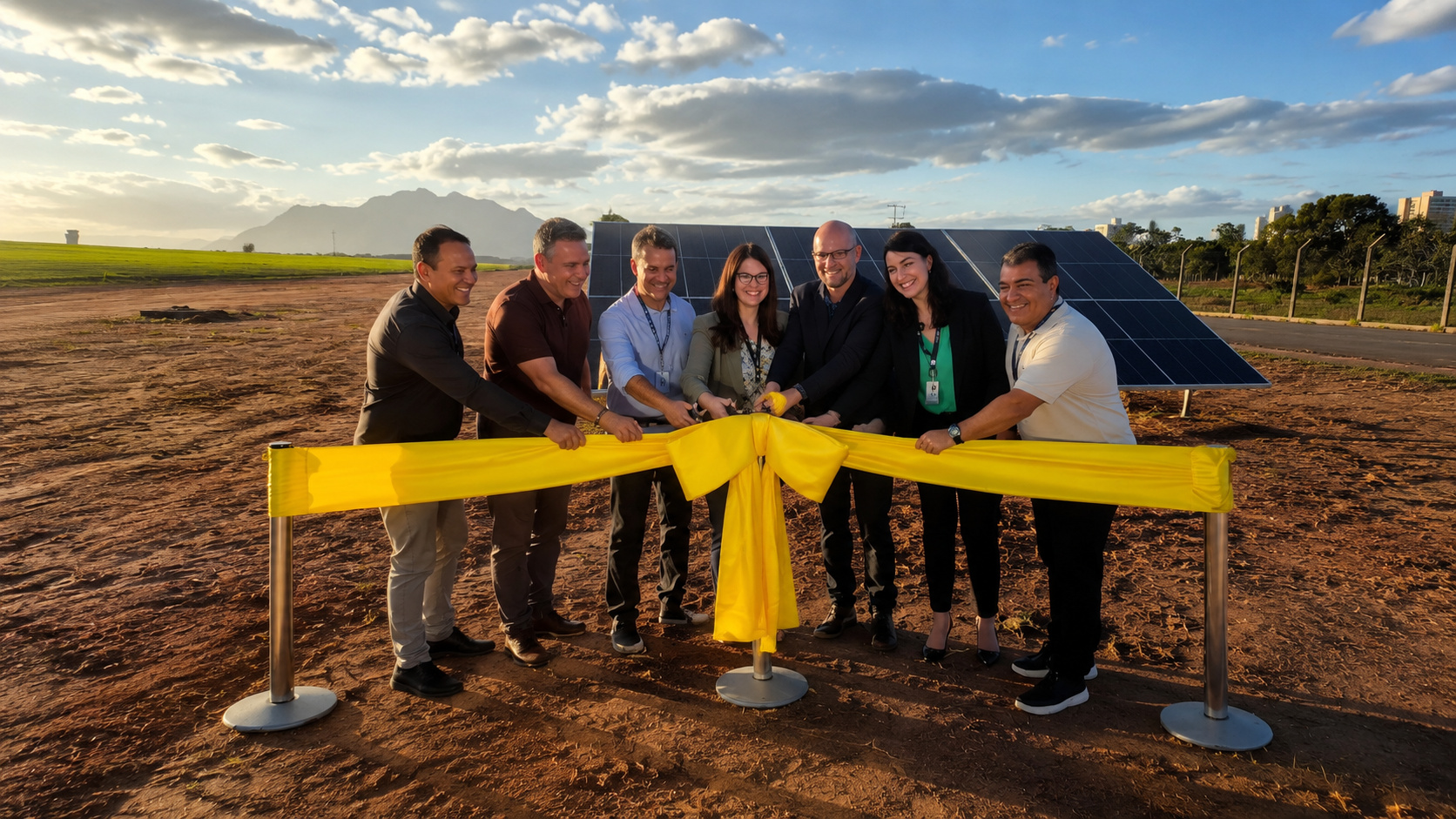
Brazil’s Vitória Airport to Launch Solar Plant Covering Area of 10 Soccer Fields, Boosting Clean Energy and Cutting Costs


Solar Energy in Public Buildings: Environmental and Social Impact
The implementation of solar energy in public buildings reduces operational costs and contributes to the reduction of greenhouse gas emissions. Each kilowatt-hour (kWh) generated by photovoltaic systems prevents the emission of approximately 0.0385 kg of CO₂ into the atmosphere, according to the Ministry of Mines and Energy.
The City Hall of Cotia’s project could reduce thousands of tons of CO₂ per year, consolidating the city as a reference in environmental policies. Moreover, schools and daycare centers equipped with photovoltaic systems can become learning laboratories, showing students the benefits of clean energy and encouraging sustainable practices from an early age.
State of São Paulo Engaged in Sustainability and Energy Transition
The plan of the City Hall of Cotia is to install solar energy systems in 23 municipal buildings, including schools, daycare centers, health units, and administrative buildings. This initiative follows national trends in energy efficiency and sustainability, aligning with the carbon emission reduction targets established by the Paris Agreement.
Studies by the National Electric Energy Conservation Program (Procel) and energy service companies indicate that the adoption of solar energy systems in public buildings can significantly reduce electricity consumption, depending on the size and consumption profile of the units. Additionally, investments in clean energy show a financial return in the medium term, ensuring lasting savings for the municipality.
Economic Benefits and Return on Investment
Investing in solar energy provides financial and environmental advantages. The reduction in electricity costs allows resources to be directed to priority areas such as education, health, and urban infrastructure.
According to the Brazilian Association of Photovoltaic Solar Energy (ABSOLAR), the average return on investments in photovoltaic systems in public buildings occurs within 4 to 7 years. For Cotia, this strategy means that, in a short time, the city will achieve savings and a more sustainable energy matrix, with less dependency on non-renewable sources.
Technology and Maintenance of Solar Energy Panels
The installation of photovoltaic modules requires detailed technical planning, including evaluation of electrical capacity, solar orientation, structural resistance, and integration with the existing electrical grid. The City Hall of Cotia works with specialized suppliers to ensure high efficiency and low maintenance needs.
Solar energy systems have an average lifespan of 25 to 30 years, with basic maintenance limited to periodic cleaning of the panels and inspection of electrical connections, ensuring efficient and durable operation. This reinforces the sustainability of the project in the long term, reducing operational risks and additional costs.
Education and Community Engagement with Clean Energy
The adoption of clean energy in public buildings promotes community engagement. Schools and daycare centers that adopt solar energy can develop environmental education programs, involving students, teachers, and families.
Research from UNICEF/UNESCO indicates that children exposed to sustainable practices from an early age tend to adopt conscious behaviors regarding the environment in adulthood. Thus, the project of the City Hall of Cotia contributes to the formation of more responsible and aware citizens.
Sustainability as a Government Policy
The initiative of the City Hall of Cotia demonstrates a commitment to sustainability and is aligned with global trends of energy transition. Public policies like this unite economy, efficiency, and environmental responsibility.
Data from the Energy Research Company (EPE) shows that the participation of renewable sources in the Brazilian energy matrix already exceeds 45%, with highlights for hydroelectric and solar. By investing in solar energy in public buildings, Cotia keeps up with this trend, encouraging the use of clean technology and contributing to the reduction of the municipal carbon footprint.


Expected Results and Future Sustainability Goals in Cotia
With the initial implementation at the Benedicta Stefano Antunes de Oliveira Daycare, the City Hall of Cotia expects:
- To significantly reduce the electricity bill of public buildings.
- To expand the use of clean energy in the municipal network.
- To raise awareness among students and the community about sustainable practices.
- To contribute to the goal of reducing CO₂ emissions in the municipality.
As the project expands to other buildings, the savings and environmental benefits will increase proportionally, consolidating Cotia as a reference in sustainable policies in the state of São Paulo.
City Hall of Cotia as a Model in Solar Energy
The adoption of solar energy by the City Hall of Cotia is an example of how public policies can unite sustainability, economy, and technological innovation. With strategic planning, investment in technology, and community engagement, the city demonstrates that it is possible to reconcile urban development with respect for the environment.
In addition to reducing spending and greenhouse gas emissions, the project promotes environmental education, raising awareness among students and citizens about the importance of sustainable practices. Cotia is on its way to becoming a reference in energy efficiency and innovation, inspiring other administrations to adopt similar initiatives and ensuring lasting benefits for the entire society.