






 Portuguese
  Spanish


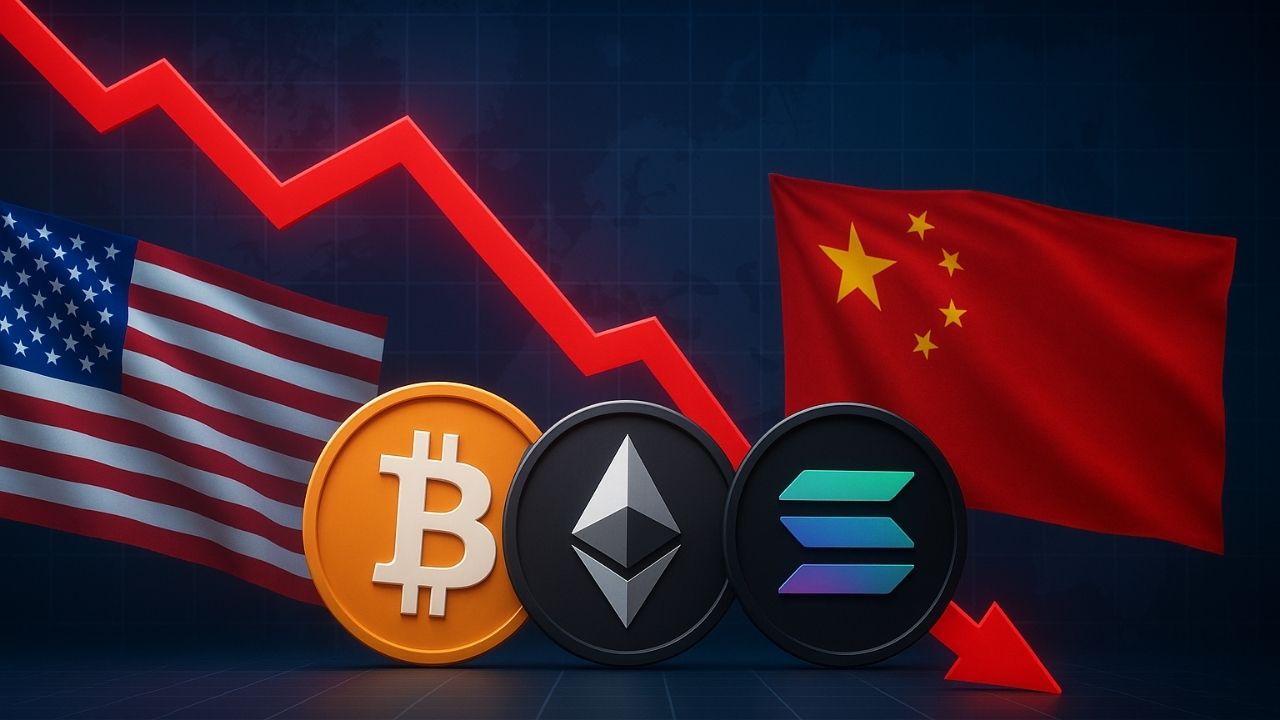


US Tariffs Against China Cause $18B Drop in Cryptocurrencies and Escalate Rare Earth Tensions.
A new escalation in the trade war between the US and China caused a strong shock in the cryptocurrency market this Friday (10/10/2025). President Donald Trump’s threat to impose an additional 100% tariff on Chinese imports led to a record liquidation of digital assets, totaling $18 billion in just a few hours.
The episode, according to experts, exposed the fragility of the sector’s leverage and brought to light the impact of tensions over rare earths, strategic resources dominated by China.
According to data from the CoinGlass platform, Bitcoin, Ether, and Solana were among the cryptocurrencies most affected by the drop.
-
Abandoned Building in Brazil to Become Biotechnology Unit with $10 Million Investment, Bridging Science, Industry, and Public Health

-
Company Offering “Stones to Diamonds” Scheme Sells Ruined Italian Homes to Brazilians for 1 Euro, Disappears with Promised Renovations, Leaving Buyers in Debt to Italian Tax Authorities Until 2028 Without Property

-
Plastic Packaging Drives Santa Catarina Industry to 230% Growth, Aiming for R$ 500 Million by 2030 Amid Sector Crisis, with New Gearless Line Expanding in Southern Brazil to Compete in South America

-
Flamengo Star Invests in Brazilian Coastal Luxury Real Estate as Itapema Surpasses Balneário Camboriú in High-End Market Growth


The move occurred amid a wave of selling that also hit Wall Street, with the Nasdaq and S&P 500 recording their largest drops in six months.
Bitcoin, Ether, and Solana Accumulate Billion-Dollar Losses
In just 24 hours, the crypto market lost billions of dollars in value. CoinGlass reported that $5 billion in Bitcoin, $4 billion in Ether, and $2 billion in Solana were liquidated between Thursday and Friday.
The site classified the episode as “the largest liquidation event in cryptocurrency history” in a post on X (formerly Twitter).
Bitcoin fell nearly 10% in the last five days, trading at $111,616.20 on Friday afternoon, after hitting $103,000 earlier in the day.
Ether, the second largest digital currency, plummeted 14.2%, dropping from $4,365.63 to $3,742.88. Solana, in turn, fell nearly 20%, trading at $178.72 during the same period.
Trump Hardens Speech and Expands Market Uncertainties
The recent turmoil comes amid a shift in Donald Trump’s economic policy, who, since returning to power, has adopted a more aggressive stance toward China and a more favorable tone toward the world of cryptocurrencies.
Despite initially criticizing Bitcoin as “based on nothing,” Trump has begun to approach crypto investors, even launching his own meme coin and promising to create a strategic cryptocurrency reserve.
Recently, the president also signed an executive order allowing the inclusion of digital assets in 401(k) plans — a form of private retirement saving in the US — which helped Bitcoin reach a historic record of $124,000 last week.
However, the new tariff package against China and threats of retaliation from Beijing have reignited fears of a new trade war, prompting investors to seek immediate liquidity and abandon risky positions.
Rare Earth Dispute Escalates Tension Between US and China
The rare earths, essential minerals for the production of chips, batteries, and clean energy equipment, have become the new point of tension between the two largest economies in the world.
On Thursday (09/10/2025), China increased restrictions on the export of these strategic materials, provoking reactions in Washington.
US officials stated that Beijing had postponed negotiations on the issue, which increased uncertainty in global markets.
Meanwhile, Trump declared that “the US does not want to harm China,” trying to contain the political and economic impact of his own measures.
However, analysts see the Chinese movement as a direct response to the tariffs imposed by the US, which threaten crucial sectors of the global economy.
The immediate result was a strong risk aversion, reflected in the drop of cryptocurrencies and the devaluation of stock markets.
Market on Alert and Outlook
With increasing volatility, investors and analysts are assessing that the episode may mark a turning point in the relationship between cryptocurrencies, international politics, and global trade.
The impact of tariffs and disputes over rare earths reinforces the dependence of digital currencies on the macroeconomic scenario.
While some experts believe the crypto market could recover quickly, others warn that geopolitical instability and the protectionist policies of the US and China may keep prices pressured in the short term.
Thus, the liquidation of $18 billion is not just a reflection of transient nervousness but a warning signal about the risks of interdependence between digital finance and international trade disputes.


