Portuguese
  Spanish


The new rural renegotiation reignites fiscal alert, moves Congress, and places agribusiness at the center of a billion-dollar dispute
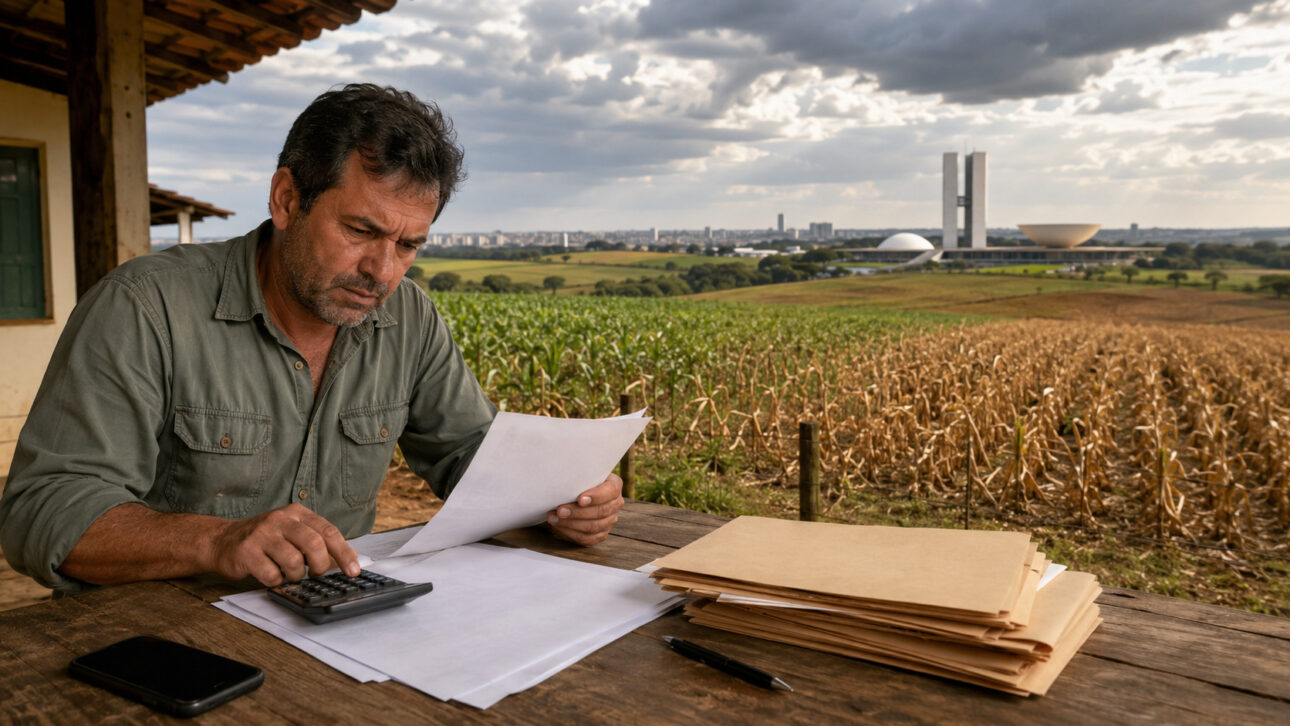
A proposal with a significant economic impact has returned to the center of discussions in Brasília, attracting attention from the economic team and the National Congress. The agricultural debt renegotiation project, approved by the Senate in June, could generate an impact of R$ 22.4 billion in 2027, according to estimates by the Ministry of Finance. The measure also provides for a new rural credit line of R$ 200 billion, considering the debts that may qualify. This movement increases the pressure on public accounts and, at the same time, heightens tension between the federal government, parliamentarians, and agribusiness representatives.
Technical review reveals billion-dollar cost for the Union
The Finance evaluation indicates that the total cost of the measure could reach R$ 139.8 billion over 13 years. This value considers the interest equalization and charges assumed by the Union during the period. The primary impact forecast for 2027 concerns the economic team, as it reduces the space for the government to meet the fiscal target. The proposal addresses producers affected by extreme climatic events and economic impacts linked to international geopolitical conflicts. Since the Senate altered the text, the project still needs to undergo a new analysis by the Chamber of Deputies before proceeding to presidential sanction.
Fiscal impact increases concern with the 2027 target
The government sent the 2027 Budget Guidelines Bill to Congress in April with a primary surplus target. The proposal foresees a positive result of 0.5% of the Gross Domestic Product, equivalent to R$ 73.2 billion. The rule also provides for a tolerance band of 0.25 percentage points up or down, allowing for variation between R$ 36.6 billion and R$ 109.8 billion. However, the economic team projects a positive result of only R$ 8 billion in 2027, as it does not foresee the full deduction of precatory payments in the fiscal target. This scenario makes the impact of rural renegotiation even more sensitive for government planning.
-
Young Entrepreneur Expands from 50 to 1,400 Chickens, Proving “Happy Hens” Can Be a Viable Business

-
Small Farm in Brazil’s Minas Gerais Produces 403 Liters of Milk Daily, Sets Benchmark for Rural Producers
-
Man Revives 1930s Abandoned Trout Farm, Learns from Scratch, and Earns $1.1 Million Annually Selling Fish to Michelin-Starred Restaurants

-
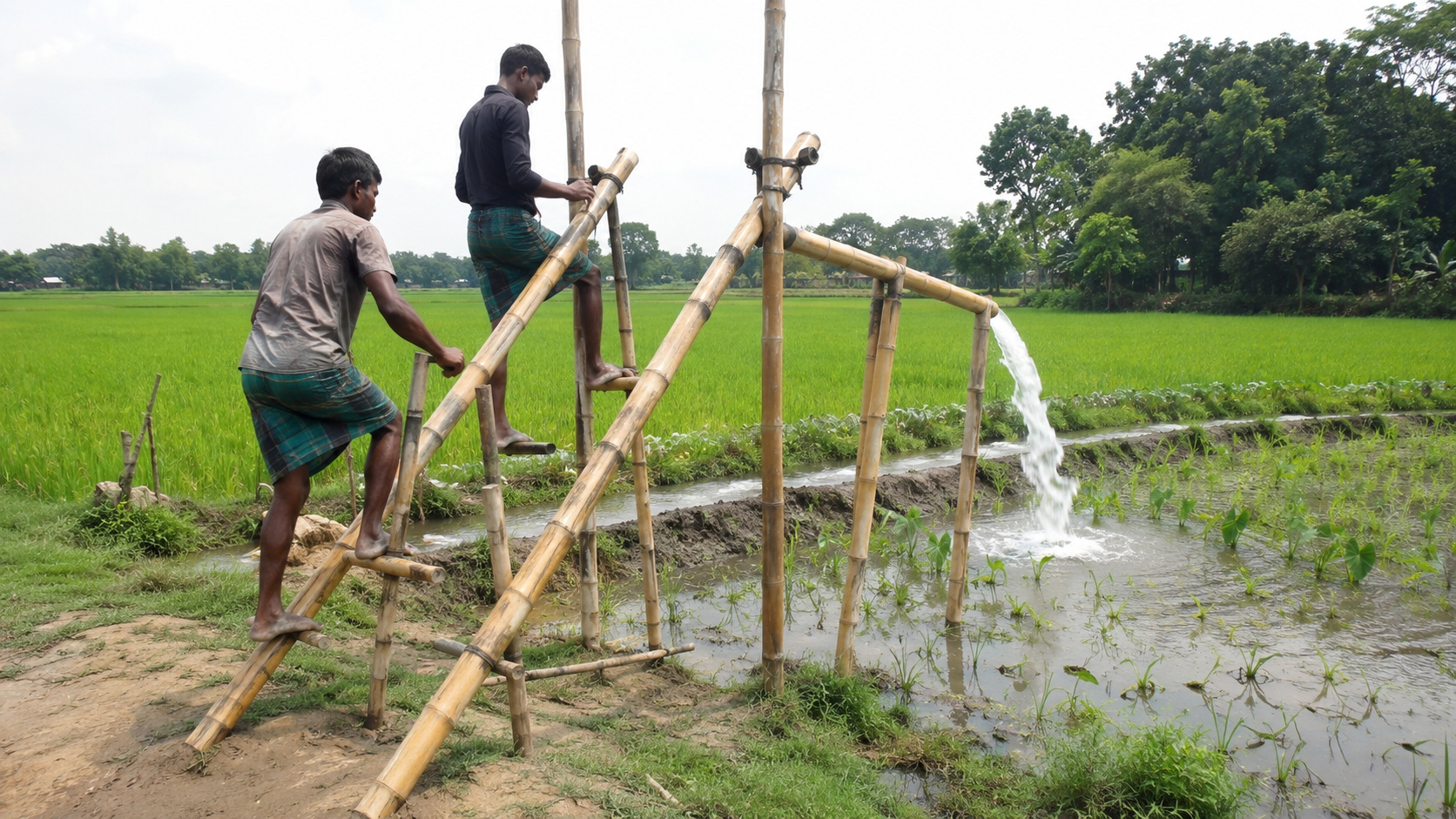
Bangladeshi Farmers Use Bamboo Levers to Pump Thousands of Liters of Water Daily Without Engines or Electricity



Rural Renegotiation Becomes a Sensitive Agenda in Congress
The topic has gained momentum in recent months and has been treated by the economic area as a bombshell agenda. In practice, this term refers to projects that create high expenses, reduce revenues, or increase pressure on public coffers. In this case, the impact of R$ 22.4 billion in 2027 could make it more difficult for public accounts to return to the black. The measure could also pressure the spending limits of ministries and cause resource blockages throughout the next year. This environment explains the government’s caution regarding the proposal approved by the senators.
Agro Caucus Presents Lower Calculation
The Parliamentary Front for Agriculture Support works with a lower estimate for the impact of the renegotiation. According to the FPA, the cost would be R$ 65 billion over 13 years. In the first year, the expense would be around R$ 5 billion and would gradually decrease to R$ 500 million in the last year. The caucus also calculates that the portfolio to be renegotiated amounts to about R$ 100 billion. This difference in numbers reinforces the technical and political dispute surrounding the proposal.
Treasury Seeks Agreement to Avoid Additional Pressure
The Minister of Finance, Dario Durigan, stated in a public hearing at the Chamber of Deputies that the government intends to build a solution with Congress. According to him, the goal is to help Brazilian agribusiness without overdoing the assistance. Durigan also highlighted that more than 90% of Brazilian agribusiness does not face debt problems. The Treasury advocates for a more focused model, aimed at producers truly affected by default. This design seeks to avoid additional pressure on the primary expenditures of the ministries.

The Fiscal Debate in a Broader Context
The renegotiation of agricultural debts occurs at a time of seeking balance in public accounts. The government is trying to achieve positive results after years of fiscal difficulty. Measures with a billion-dollar impact, however, can reduce the economic team’s room for maneuver. This behavior reinforces the importance of evaluating the real scope of aid to the field and its effects on the Budget. Thus, the project becomes one of the main fiscal discussions of 2027 even before the final vote in the Chamber.
The Future of Rural Renegotiation
Government specialists, parliamentarians, and agribusiness representatives still need to negotiate adjustments to the text. The proposal needs to reconcile aid to producers affected by climatic events and external conflicts with fiscal responsibility. The Treasury is trying to limit the impact on the target and preserve space for essential spending. The final decision by the Chamber will be decisive in defining the size of the bill and the pace of rural renegotiation.
What should weigh more in the final decision: expanding aid to indebted rural producers or preserving the fiscal target to avoid new pressure on public accounts?