






 Portuguese
  Spanish


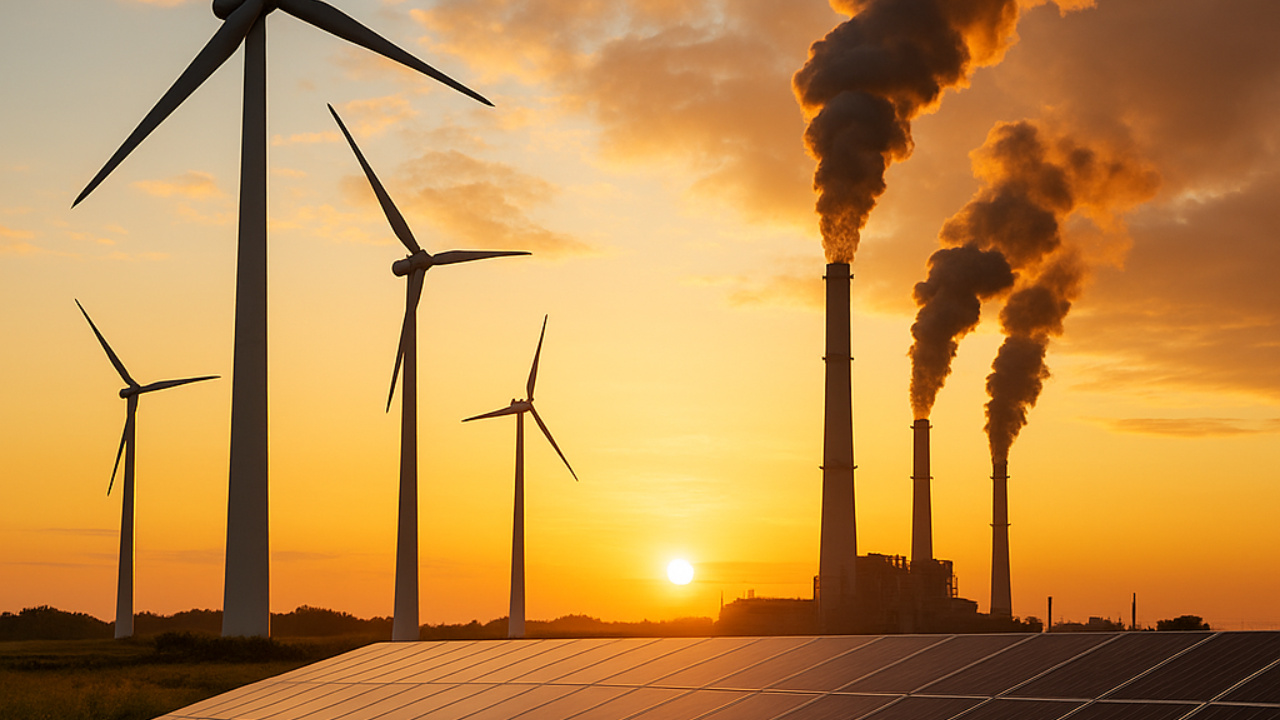

Experts Reveal Why The Energy Transition Discourse Needs Realism In Light Of The Advance Of Fossil Fuels And The Decline Of Investments.
The discussion about why the discourse on energy transition needs a dose of realism gained prominence after experts raised alarms.
They claim that the shift to clean sources faces high costs, economic uncertainties, and an increasingly resistant political landscape.
Right at the start of the debates, industry leaders stated that the energy transition is at an impasse.
-
Brazilian scientists are simultaneously advancing two research projects on clean hydrogen and driving solutions that could transform the energy matrix, enhance industrial competitiveness, and accelerate large-scale emission reduction targets.

-
Advancement in renewable energy: A R$ 150 million project launched by Petrobras and Finep aims to create state-of-the-art electrolyzers for green hydrogen, strengthening national research and preparing Brazil to compete in a billion-dollar energy market.
-
Illiterate or semi-literate grandmothers were trained to repair solar systems, open rural workshops, and light up homes that still depended on kerosene.
-
The world has bet on green hydrogen as the fuel of the future, but now faces the side effect: producing 1 kilogram requires about 9 liters of ultrapure water, and the largest projects on the planet are precisely in the driest regions of the Earth, where water is already scarce for people.


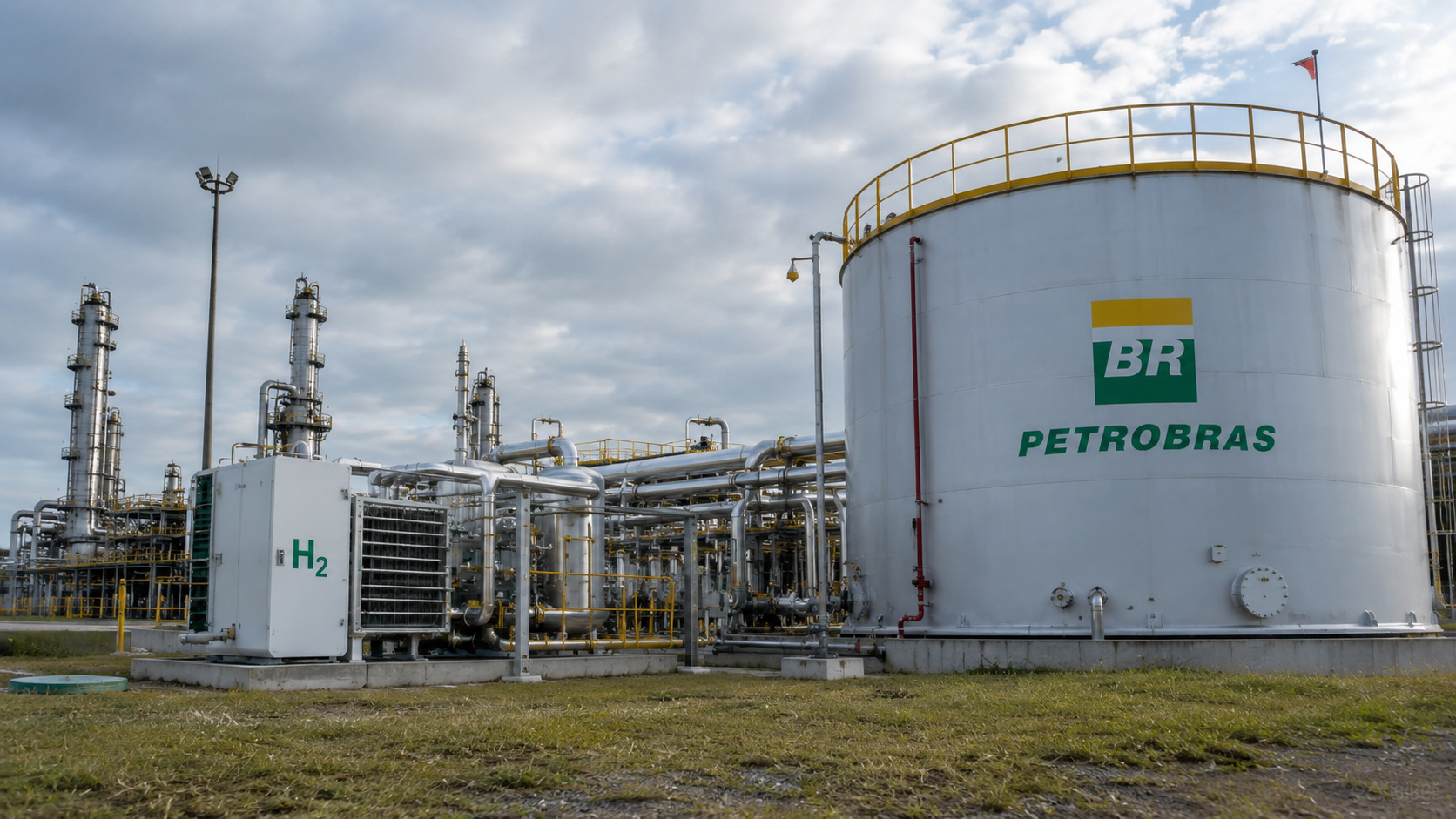

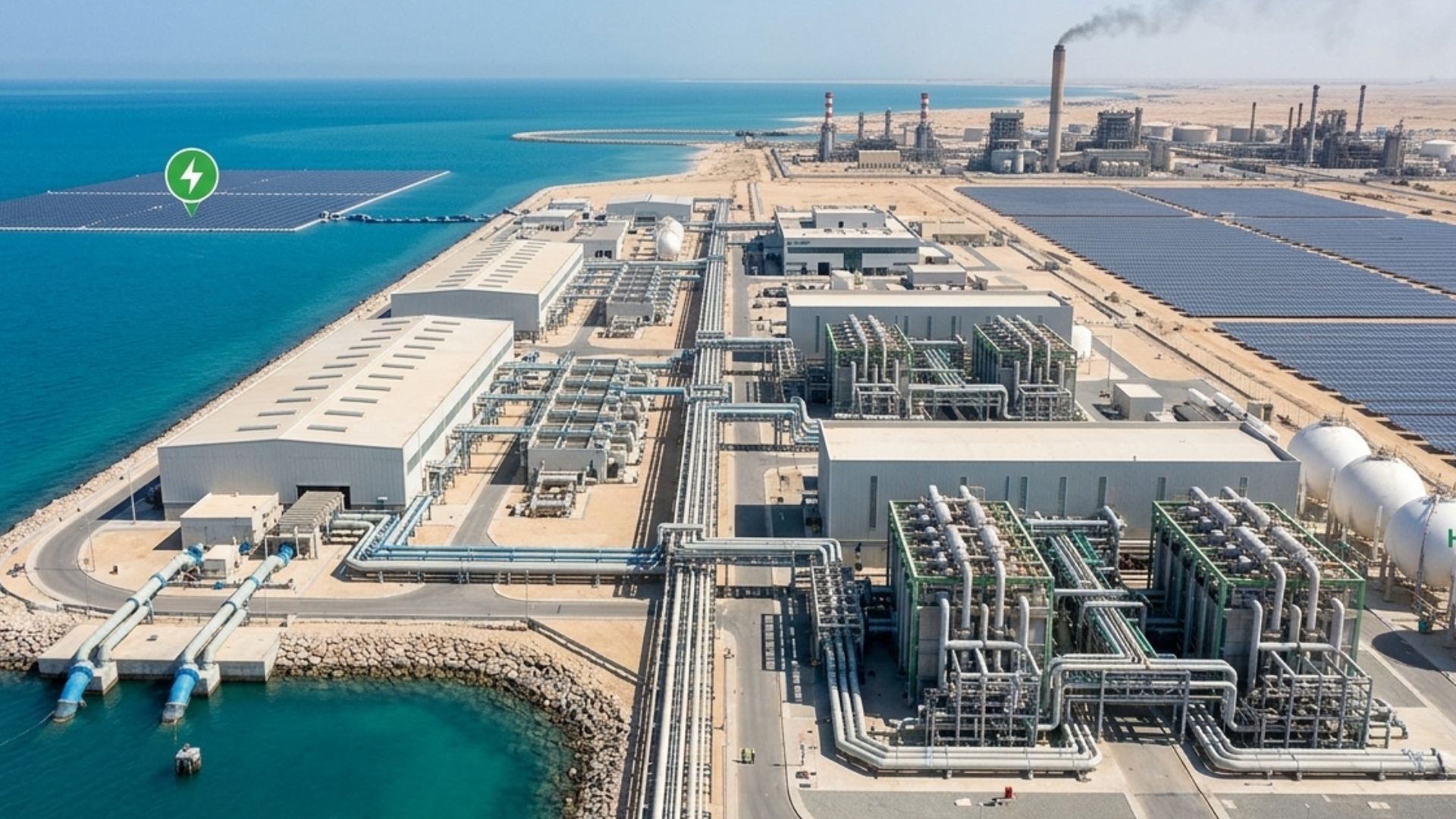
Although governments and institutions advocate bold targets by 2030, global capital is migrating back to oil, gas, and other traditional sources.
Stalled Investments Reveal Why The Discourse On Energy Transition Needs A Dose Of Realism
BloombergNEF estimates that the world needs to invest US$ 5.6 trillion per year by 2030 for the transition to progress at the desired pace.
However, the actual flow of investments is declining and often diverting to the fossil sector.
Moreover, the collapse of the Net Zero Banking Alliance, which brought together nearly 150 banks since 2021, has become a symbol of global financial frustration.
Mass exits throughout 2024 and 2025 weakened the alliance and highlighted that part of the banking system no longer sees viability in carbon neutrality targets.
This reinforces, for several analysts.
Large Companies Turn Back And Rekindle The Rush For Hydrocarbons
Energy companies have reduced investments in green projects and reinforced the exploration of hydrocarbons, seeking more stable revenues.
This behavior, according to experts present at the conference, signals that the transition is not occurring at the imagined speed and that the dependence on oil and gas remains intense.
Thus, the market demonstrates, in practice, especially when profits and energy security are at stake.
Experts Advocate Realism: Renewable Sources Are Still Intermittent
Lucian “Lou” Pugliaresi, president of the Energy Policy Research Foundation, highlighted at the event that electrification is advancing, but still heavily relies on fossil fuels.
According to him:
“The main renewable sources remain intermittent, while demand is still largely based on hydrocarbons.”
Pugliaresi also noted that one of the few examples of efficient decarbonization was the replacement of coal with natural gas.
For him, the reason why the discourse on energy transition needs a dose of realism is linked to the understanding that not all green solutions deliver proportional results to the costs.
He also warned about the impact of the technology sector on energy demand:
“It’s a world where the ‘tech bros’ need energy and don’t distinguish between fuel types.”
The Ukraine War Exposes The Limits Of Renewables And Shows Why The Energy Transition Discourse Needs A Dose Of Realism
Christof Rühl, economist at the Center on Global Energy Policy at Columbia University, reinforced that the world has overestimated advancements in recent decades.
According to him:
“What we have achieved in the last 35 years is not a cause for celebration, as energy demand is still largely based on oil and gas.”
Commenting on the energy crisis of 2022, caused by the war between Russia and Ukraine, Rühl stated that it was fossil fuels and not renewables that stabilized the market:
“It was fossil fuels that saved the day.”
Hydrocarbons Will Remain Essential For Decades
For Rühl, even with increasing investments in energy transition, oil and gas will remain relevant for a long time.
He stated:
“Middle Eastern players will win this race and keep oil on the scene.”
This scenario confirms that the world still heavily depends on the extraction of hydrocarbons, reinforcing why the discourse on energy transition needs a dose of realism as an urgent agenda.









