Portuguese
  Spanish


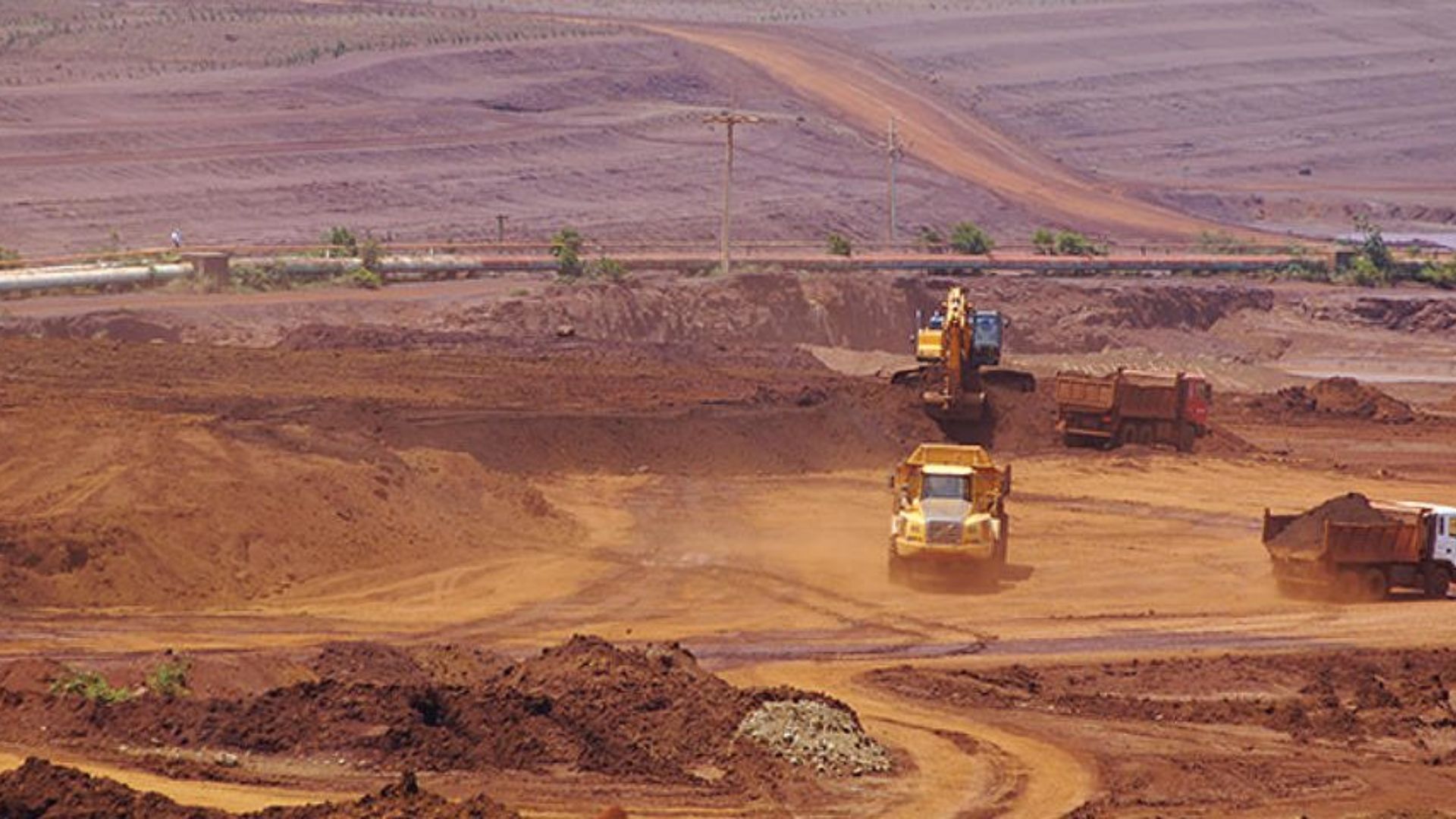

Fuel Shortage Hits Strategic Mining and Halts Industrial Complex in Moa
The fuel crisis in Cuba has reached a new critical level and is already causing direct impacts on sectors considered strategic for the island’s economy. Canadian miner Sherritt International announced that it will be forced to suspend nickel and cobalt production, two essential metals for the global industry, following serious failures in the supply of fuel necessary to keep operations active.
According to a statement released on Tuesday, the company reported that it has immediately reduced activities in its joint venture located in Moa, in eastern Cuba, and that total interruption of mining and processing is expected to occur as early as next week. During the shutdown period, only scheduled maintenance services will be maintained in the industrial complex.
The information was reported by Bloomberg, based on official statements from the company and data about the deepening energy crisis in Cuba. According to the outlet, the problem is not related to the operational capacity of the miner, but rather the country’s inability to ensure the minimum fuel supply needed to sustain industrial activity.
-
Family Quietly Transforms Old Sawmill into $700 Million Business, Opens 25 Stores in Two Years Across 22 Brazilian States

-
Couple Sold Their Home to Save Business, Now Run Platform Handling $180 Million Monthly and Managing Over 51 Million Listings
-
Brazil’s 2026 Tax Refund: Record 9.58 Million Filers in Largest Payout Ever, But a Key Detail on Priority Recipients Draws Nationwide Attention

-
Itaú Alters Hybrid Work Model, Increasing Office Days from 2028, Prompting Employees to Adjust to New Routine




Economic Crisis and Energy Isolation Deepen Productive Collapse in Cuba
The halt in nickel and cobalt operations in Moa does not occur in isolation. On the contrary, it adds to a long economic and energy crisis that has affected Cuba for years and has intensified in recent months. The country is facing chronic fuel shortages, frequent blackouts, and declining industrial production, a situation aggravated by reduced external support.
Historically, the island heavily depended on oil shipments from Venezuela, a political and economic ally of Havana. However, this support has been drastically reduced following the deepening Venezuelan crisis and the tightening of international sanctions. The situation worsened further after the imprisonment of Venezuelan president Nicolás Maduro, an episode cited as a breaking point in the energy supply to the island.
In this context, then-President of the United States, Donald Trump, publicly stated that “Cuba will collapse very soon”, reinforcing the climate of political and economic instability. Although the statement had a political character, the practical effects of the energy crisis are now directly reflected in the interruption of essential productive chains.
The joint venture between Sherritt International and the Cuban state-owned General Nickel Company SA ships semi-processed material to a refinery located in Fort Saskatchewan, Alberta, Canada. This refinery has a combined capacity of 38,200 tons, a number that, although significant for the company, represents only a small fraction of the global nickel supply.
Market Impact, Falling Stocks, and Limits on Global Effects
Despite the severity of the local situation, analysts believe that the halt of operations in Cuba is not expected to cause significant effects on the global metals market, especially in the case of nickel. This is because global production is largely dominated by operations in Indonesia, which concentrates the majority of currently extracted supply.
Nevertheless, the impact on Sherritt International is direct. The company’s shares fell 7.3% at 9:43 AM Toronto time, reflecting investors’ concerns over the interruption of operations and the instability of the business environment in Cuba. The company confirmed that it received formal notification that scheduled fuel deliveries to Moa would not be fulfilled, making it impossible to continue production in the short term.
In a statement, Sherritt said it is in “active contact with relevant counterparts and evaluating all available options for the supply of inputs”, although it did not detail timelines or viable alternatives at the moment. The company also reported that its refinery in Canada has sufficient inventory to operate until mid-April, temporarily reducing the logistical impact outside the island.
On the other hand, the company clarified that the operations of Energas SA, an energy joint venture in Cuba in which Sherritt holds one-third of the shares, are functioning normally. Energas generates electricity from natural gas for the Cuban grid, including the energy supply used by the Moa complex, which now faces restrictions not due to electricity generation but due to the absence of industrial fuel.
Source: Infomoney