






 Portuguese
  Spanish


Resource Contingency Leaves Brazilian Air Force Planes on the Brink of Paralysis and Threatens Delivery of Strategic Projects as Government Assesses Allocation of Recently Unblocked Funds.
The Brazilian Air Force (FAB) is facing an unprecedented crisis: the lack of resources threatens to interrupt the operation of its fleet, including aircraft used for transporting high-ranking authorities.
According to data confirmed by the FAB itself, only three of the ten special transport jets still have enough fuel to operate until August 3, 2025.
The fuel scarcity is a direct consequence of the budget cuts imposed on the Ministry of Defense, reflected in severe cuts to the activities and strategic projects of the Air Force.
-
Coca-Cola Shuts Down 100-Year-Old Factory in the U.S., Impacting 85 Workers and Shaking Local Community with Historic Consequences

-
Bianca Andrade Invests $30 Million of Her Own Money in Boca Rosa, Launches Over 100 Products in a Year, Aiming for $400 Million by 2026
-
Belo Horizonte Becomes First Brazilian City to Fund Housing, Utilities for 100 Homeless Families with $900,000 Initiative
-
Brazilian Joins Homeownership Consortium, Faces Decade of Dual Payments Totaling $141,000, Surpassing Traditional Mortgage


Budget Blockade and Immediate Impact
The alert, published by the newspaper Poder 360, details that seven aircraft from the fleet are no longer flying, a situation attributed to the limitation of funds allocated for both refueling and maintenance.
Since November 2024, Defense Minister José Múcio Monteiro has been trying to restore the FAB’s budget, but without sufficient success to reverse the resource blockade that directly affects the Force’s operations.
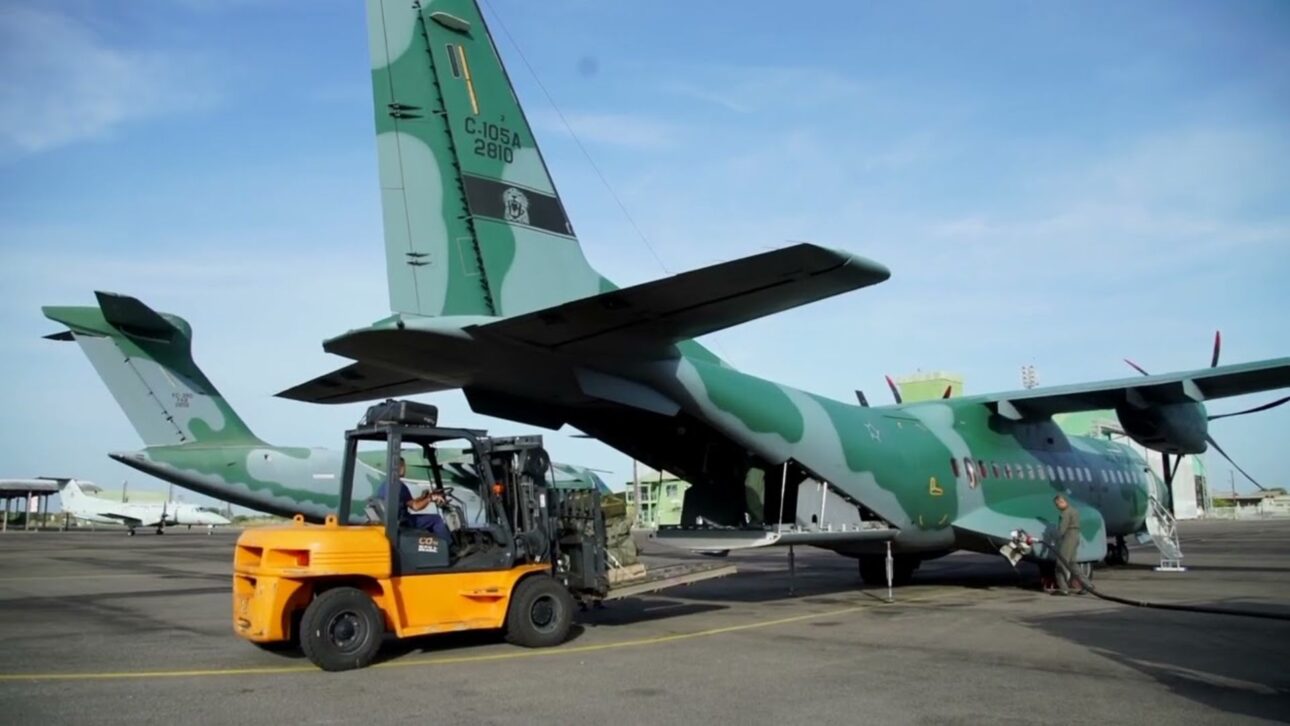
The budget of the Ministry of Defense suffered a total blockade of R$ 2.6 billion, of which R$ 812.2 million impacted the Air Force Command (COMAER).
Within this amount, R$ 483.4 million was withdrawn from discretionary expenses — that is, costs that include basic supplies and contracts for essential services — and R$ 328.8 million was cut from strategic projects, compromising timelines and deliveries of aircraft and equipment deemed priorities for national defense.
Even with the budget reopening promoted last Tuesday (22), when the federal government’s economic team released R$ 20.6 billion from the frozen budget, there is no immediate guarantee that the FAB will receive the necessary funds to rebalance its operations.
According to official information, the detailed distribution of these resources among federal agencies will only be defined by the end of July.
Until then, uncertainty remains over the regular operation of special transport aircraft.
Activities and Strategic Projects at Risk
The FAB reported that the budget restriction has had a “severe impact” on all its areas of operation, affecting everything from aerial operations to logistical and administrative sectors.
The institution highlights that, in the case of strategic projects, the 17% reduction in the amount originally foreseen in the Annual Budget Law (LOA) forces a review of contracts and may cause delays in the delivery of new aircraft and defense systems, considered essential for modernizing and maintaining the operational capacity of the Force.
Decree No. 12,447, dated May 30, 2025, formalized the resource containment, establishing criteria for prioritizing expenses and suspending ongoing contracts.
According to the statement sent by the Air Force, the adjustment actions favored already committed expenditures over new acquisitions, but the magnitude of the cuts imposed unprecedented restrictions, with noticeable effects in virtually all activities of the corporation.
Transport of Authorities and Order of Priority
The financial crisis directly impacts the transport of authorities, an activity regulated by Decree No. 10,267, dated March 5, 2020.
The order of priority for using the FAB jets follows this sequence:
- Vice President of the Republic
- Presidents of the Federal Senate, Chamber of Deputies, and the Federal Supreme Court
- Ministers of State
- Commanders of the Armed Forces and the Chief of Joint Staff of the Armed Forces
The Defense Minister has the authority to authorize the use of aircraft by other national or foreign authorities, as per current legislation.
Lack of Position from Authorities
Despite the severity of the situation, so far, neither the Ministry of Defense nor the Presidency of the Republic has officially commented on the effects of the budget blockade on the fueling of FAB aircraft.
The silence of the authorities occurs amid concerns from strategic sectors about the impact of these limitations on the country’s ability to respond to emergency situations, including rescue operations, organ transport for transplants, and humanitarian actions.
Budgetary Context and Consequences
The budget blockade for the Air Force is part of a broader context of federal spending cuts, driven by the goal of meeting the fiscal targets set for the 2025 fiscal year.
According to data from the Revenue and Expenditure Evaluation Report for the 3rd bimonthly period, published by the federal government, the partial reopening of the budget should cover essential areas, but the detailing of the releases will only be available in the coming days.
Vulnerability and Challenges of the Armed Forces
In addition to the immediate effects, the crisis in the FAB exposes structural challenges faced by the Brazilian Armed Forces regarding the predictability of funding for their activities.
The dependence on discretionary resources for maintaining operations deemed vital highlights the sector’s vulnerability in the face of successive budget cuts.
The current situation raises questions about the sustainability of military operations and Brazil’s ability to maintain its sovereignty and fulfill international commitments if the crisis continues.
In a scenario of uncertainty, authorities and experts closely monitor the definition of the new budget, evaluating alternatives to mitigate impacts while there is no guarantee of a full restoration of the resources for the Brazilian Air Force.
For you, to what extent can national security be compromised by dependence on blocked resources and lack of budget predictability in maintaining the Brazilian Armed Forces?


Uma das estratégias do comunismo , é enfraquecer e desmoralizar as forças de segurança do país, convencendo o povo de que , elas são desnecessárias. E cria sua própria guarda presidencial, cuja finalidade principal, é proteger somente quem está no poder de qualquer ameaça. E a população que se dane.
É bom que aposenta esses F5 de uma vez !
Pra que Forças Armadas? Depois da Guerra do Paraguai, só servio para dar golpe de Estado e manter a pobreza pelos oligárcas. Basta manter um Tiro de Guerra como faz a Suisça.