






 Portuguese
  Spanish


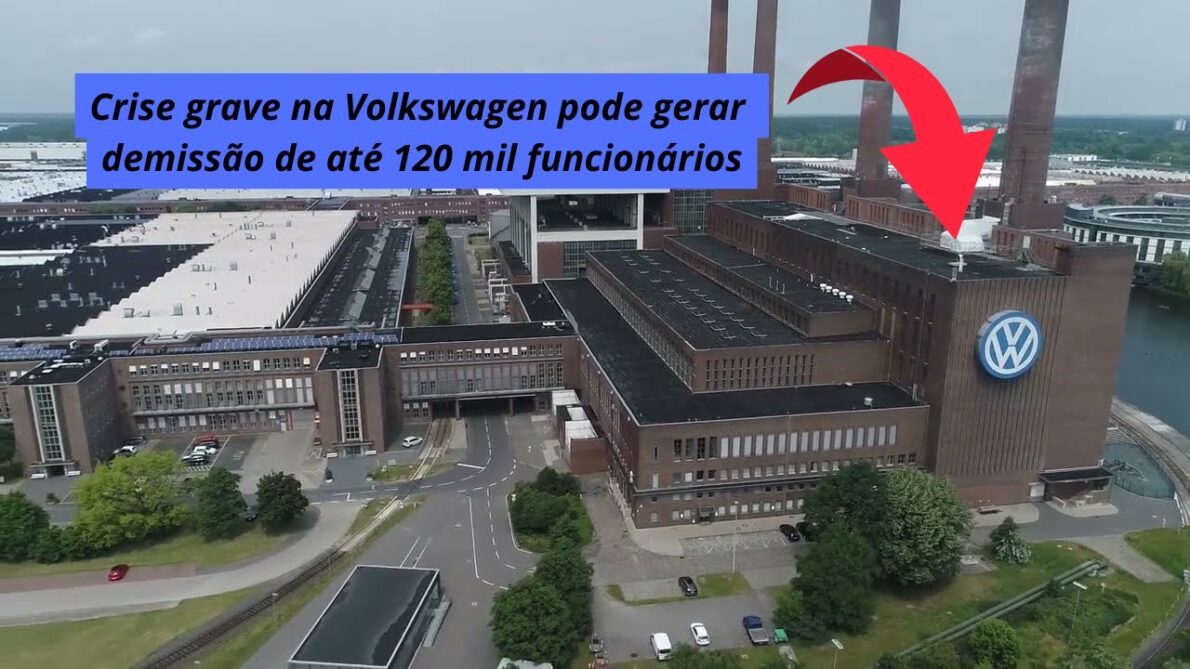

The City of Wolfsburg, Known for Its Thriving Automotive Industry, Faces an Unprecedented Crisis. The Imminent Crisis at Volkswagen Has Generated Uncertainties in Every Corner of the City, Where Almost Everyone Depends Directly or Indirectly on the Largest Automaker in Europe. If the Announced Cuts Materialize, the Fear Is That Wolfsburg, Once a Symbol of Progress, Will Become an “Industrial Museum”.
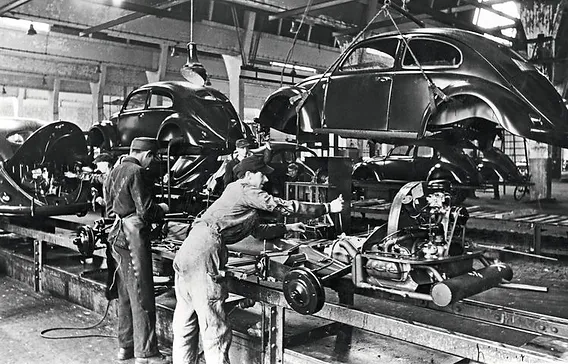
Arriving in Wolfsburg, in northern Germany, is like stepping into the heart of the automotive industry. The four imposing chimneys of the Volkswagen factory, marked by the iconic blue and white logo, dominate the skyline. Founded in 1938 to house the workers building the KdF-Wagen, the famous Beetle, the city was designed to serve the automaker. Today, with over 60,000 employees at VW, about half of the city’s population depends on this giant.
However, Volkswagen’s glory days may be numbered. For the first time in its history, the company faces such a severe crisis that could lead to factory closures in Germany and the layoff of up to 120,000 employees. For a city that has grown with VW and lives on VW, the crisis means much more than an economic issue; it is a threat to its very future.
Fear at Volkswagen and Uncertainty in Wolfsburg
The crisis at Volkswagen is at the center of all conversations in the city. With news of potential job cuts, residents are anxious. Real estate agent Kristin Rößer, who has lived in Wolfsburg since VW’s golden years, reports that many are afraid that the value of their homes will plummet. “People are hesitating to buy new homes and prefer to save money until they know what will happen with the company,” she says.
-
Brazil’s 2026 Tax Refund: Record 9.58 Million Filers in Largest Payout Ever, But a Key Detail on Priority Recipients Draws Nationwide Attention

-
Itaú Alters Hybrid Work Model, Increasing Office Days from 2028, Prompting Employees to Adjust to New Routine
-
Facing Labor Shortage, Japan Plans to Invest $34 Million to Attract Foreign Workers in Construction, Healthcare, Industry, and Commerce

-
Brazilian City Makes Remarkable Leap, Becomes 4th Wealthiest in the Country with GDP of R$ 134.1 Billion




Even with profits reaching 18 billion euros in 2023, Volkswagen announced a drastic cost-cutting program to save 10 billion by 2026, aiming to increase its competitiveness. Although the numbers show that the company is still financially healthy, the future of the workforce in Wolfsburg remains uncertain.
Silence at the Gates and Changes in Commerce
On a fall afternoon, hundreds of workers leave the VW factory after the morning shift. Despite the activity, the atmosphere is one of apprehension. No one wants to talk about the company’s future. “We’ve survived other crises; we will survive this one too,” says one of the employees, with a mix of optimism and resignation.
The impact of the crisis at Volkswagen is also felt in local businesses. Djuliano Saliovski, owner of a hotel and restaurant, notes that the frequency of his customers has dropped drastically. Previously, many VW workers dined at his restaurant once a week, but now they come only once a month. “Things were already tough due to the pandemic, and now the situation is even worse,” he says.
Wolfsburg: From Automotive Capital to Museum?
The history of Volkswagen in Wolfsburg is grand. The Volkswagen Museum, for example, celebrates the company’s legacy, showcasing iconic models like the Beetle and the Kombi. The city attracts around 300,000 tourists annually, many of whom visit the “Autostadt,” a theme park dedicated to the automotive world. However, even tourism seems to be declining, with taxi drivers reporting a drop in demand.
The great fear is that Wolfsburg, which for decades has symbolized the European automotive industry, will become an “industrial museum.” With the rise of electric cars, VW seems to be struggling to adapt to the new market reality.
The leadership that the company maintained in the era of combustion engines is no longer enough, and the crisis at Volkswagen may be a sign that the city is living the last chapters of its history as the capital of automotive production.
Impact in Brazil and Beyond
The crisis at Volkswagen does not only affect Germany. Brazil, where the automaker also has a strong presence, is closely monitoring the unfolding events. If VW opts to close factories in Germany, there is a possibility that the cuts will extend to its operations in Brazil as well. This interconnectedness between the two countries only reinforces the seriousness of the situation, showing that the impact of this crisis can span continents and shake entire economies.
The situation in Wolfsburg is a clear example of how a city’s fate can be so intrinsically linked to the success of a single company. If Volkswagen stumbles, Wolfsburg may find itself forced to completely reinvent its identity or resign itself to being a testament to Germany’s industrial past.








