Portuguese
  Spanish


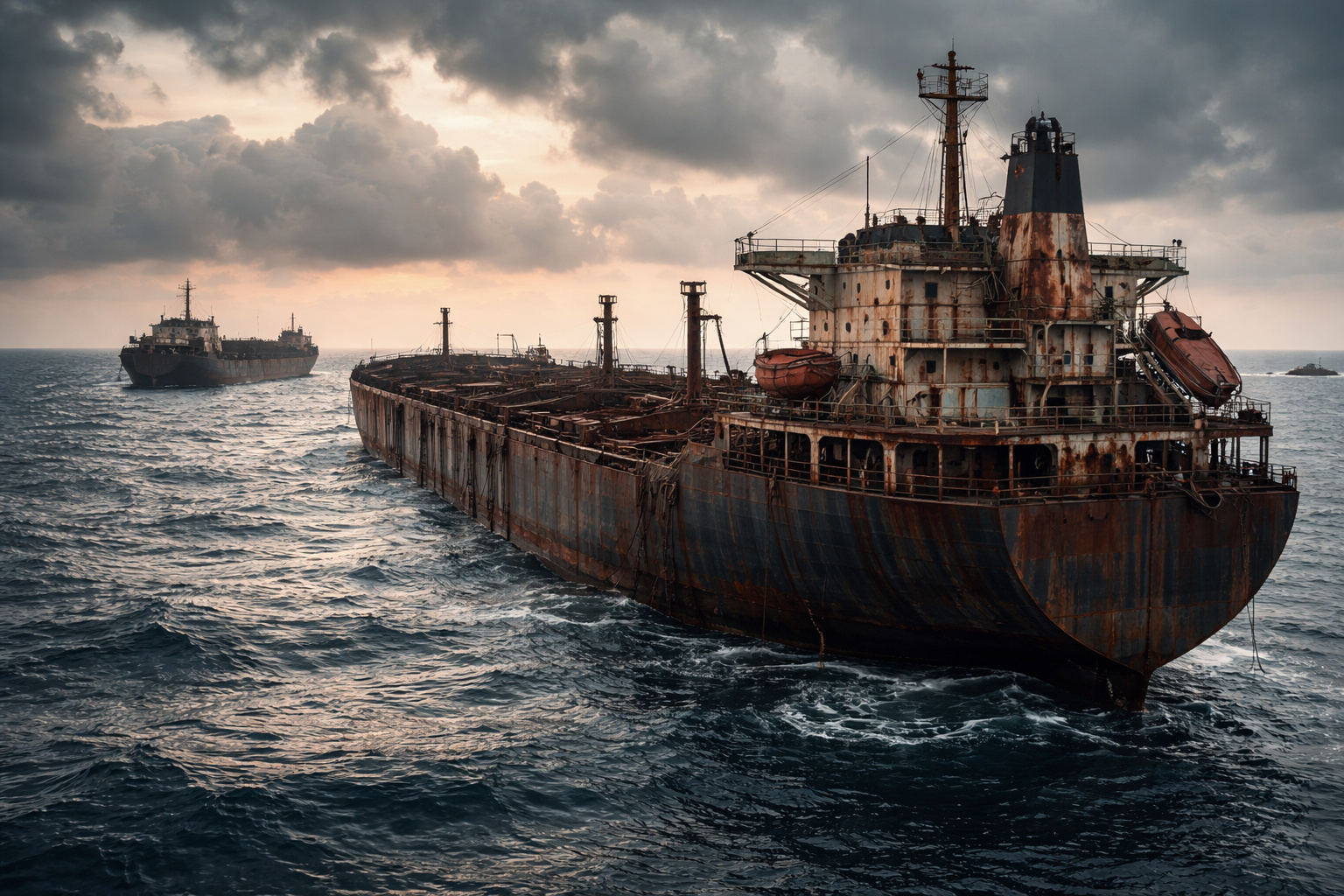


ITF Official Data Shows Historic Increase in Abandonment of Ships, Direct Impact on Thousands of Mariners, and Rising Environmental Concerns on Routes Under International Sanctions.
Furthermore, according to data consolidated by the ITF throughout 2025, more than 6,000 sailors were directly affected. Consequently, the crisis has ceased to be an isolated event and has become a global trend in maritime transportation.

Immediate Impact on Crews
First, abandonment does not only involve the vessel. On the contrary, it involves workers left without wages, supplies, and legal assistance. According to the ITF, Indian sailors represent the largest affected group, with more than a thousand cases reported in 2025.
-
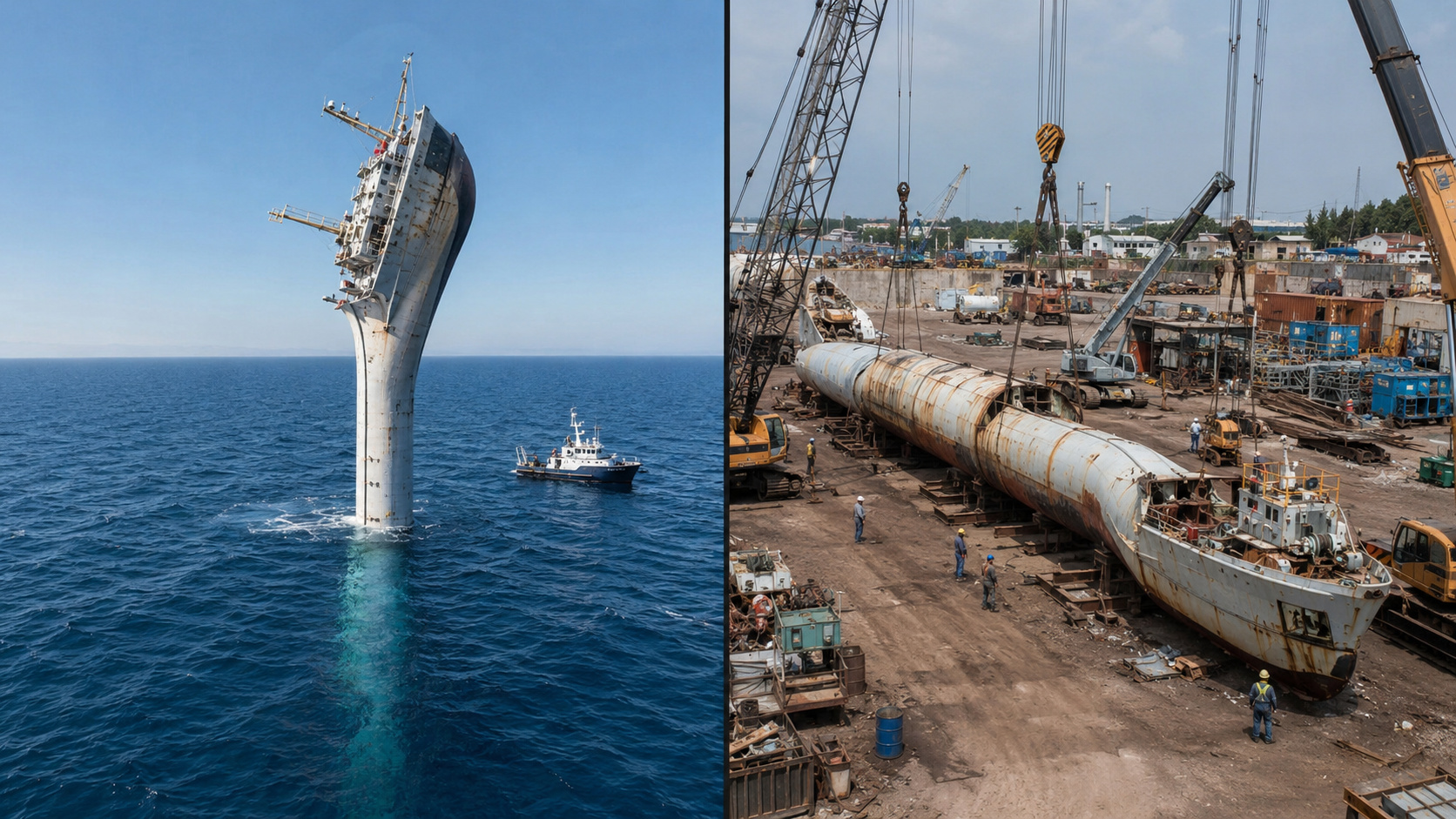
The FLIP: A 108-Meter Ocean Laboratory That Stood Vertically for 60 Years, Dismantled in 2023

-
North Korean Fiasco: Launch of the Largest Warship Ends in Sinking

-
While giant ships still burn heavy fuel and the maritime sector races against climate targets, Maersk and Vale are starting to bet on ethanol as a new route to reduce emissions at sea.

-
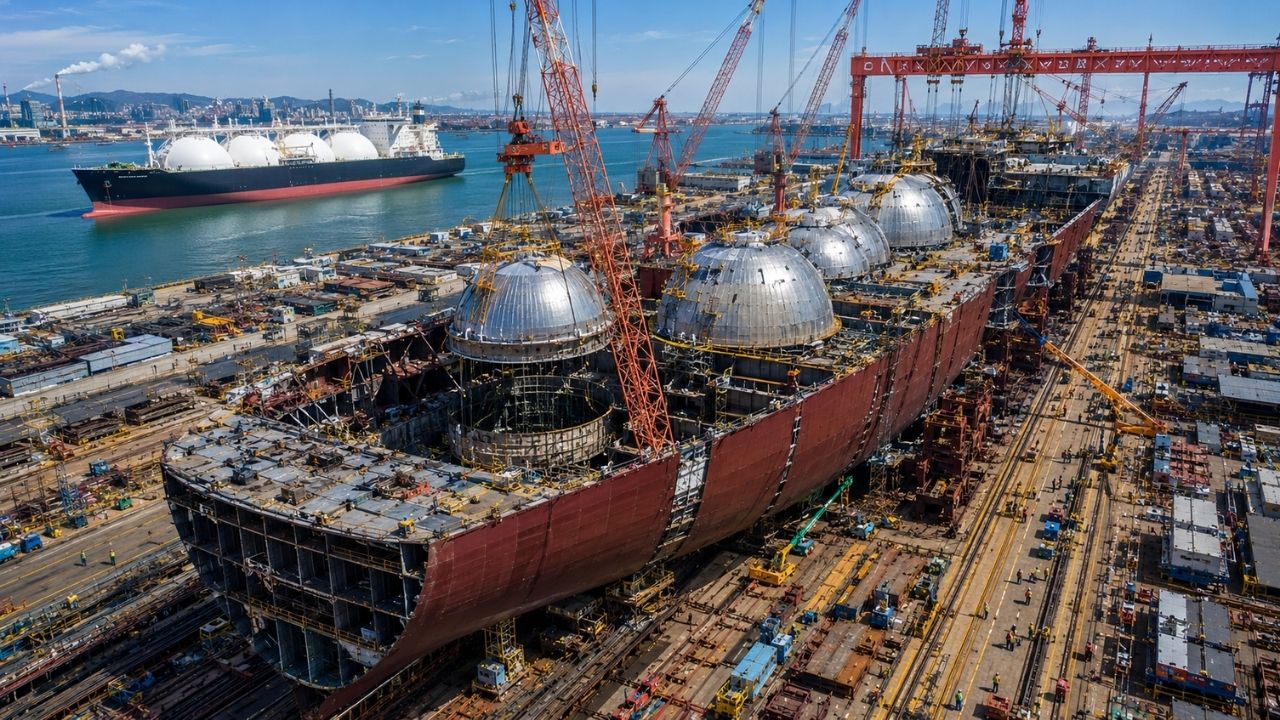
China begins construction of the world’s largest LNG ship, a 344-meter giant capable of supplying 4.7 million homes for a month, carrying 271,000 m³ of gas, and placing QatarEnergy in the largest naval order ever recorded in world history.


For example, in November 2025, a deck chief identified as Ivan reported to the BBC shortages of basic food supplies on board. According to the account, there was a lack of meat, grains, and fish for weeks. Additionally, the ship remained outside Chinese territorial waters, without permission to dock.
Ghost Fleets and Sanctioned Market
At the same time, the term “ghost ships”, also known as “zombie ships,” gained traction. These tankers operate with opaque corporate structures. Thus, they manage to circumvent financial and regulatory restrictions.
Since February 2022, when the war in Ukraine began, a parallel market has formed for transporting oil from countries under sanctions, such as Russia, Iran, and Venezuela. Consequently, older vessels have become strategic assets.
In general, they are tankers with about two decades of use, close to being dismantled. Therefore, they are acquired for quick operations, without structural investments. Moreover, many do not have full coverage from P&I Clubs, which increases financial and environmental risks.
Flags of Convenience and Regulatory Gaps
In addition, according to the ITF itself, 82% of the abandonments recorded in 2025 occurred under flags of convenience. In this model, the owner registers the ship in a country different from their own to obtain more flexible regulation.
Among the main states are Panama, Liberia, and the Marshall Islands, responsible for 46.5% of the global merchant fleet. However, Gambia drew attention in 2023 by rising from zero to 35 vessels registered under its flag.
According to recent reports from the International Maritime Organization (IMO), many of these countries outsource technical inspections. Therefore, oversight may become limited, especially for older vessels.
Environmental Risk and Operational Safety
Meanwhile, the case cited by Ivan illustrates the extent of the risk. The ship is carrying 750,000 barrels of Russian oil, valued at around US$ 50 million. The vessel departed from the Russian Far East in early November 2025.
Since then, it has remained near its final destination, without docking. Thus, experts warn of the potential for environmental leakage. Furthermore, consolidated statistics indicate that more than 80% of maritime accidents involve human error.
In December 2025, the ITF intervened to provide overdue wages, food, and began planning for repatriation.
Institutional Responses and Need for Regulatory Review
Although there are isolated initiatives, the phenomenon remains global. For example, India included 86 foreign ships on a blacklist for abandoning crew members and violating labor rights.
At the same time, some states are pressuring countries that operate under flags of convenience. However, experts advocate for greater international regulatory harmonization.
This content was prepared based on nominal data from the ITF, BBC, and reports from the International Maritime Organization published between 2023 and 2025. The information has been reviewed to ensure accuracy and editorial transparency.