Portuguese
  Spanish


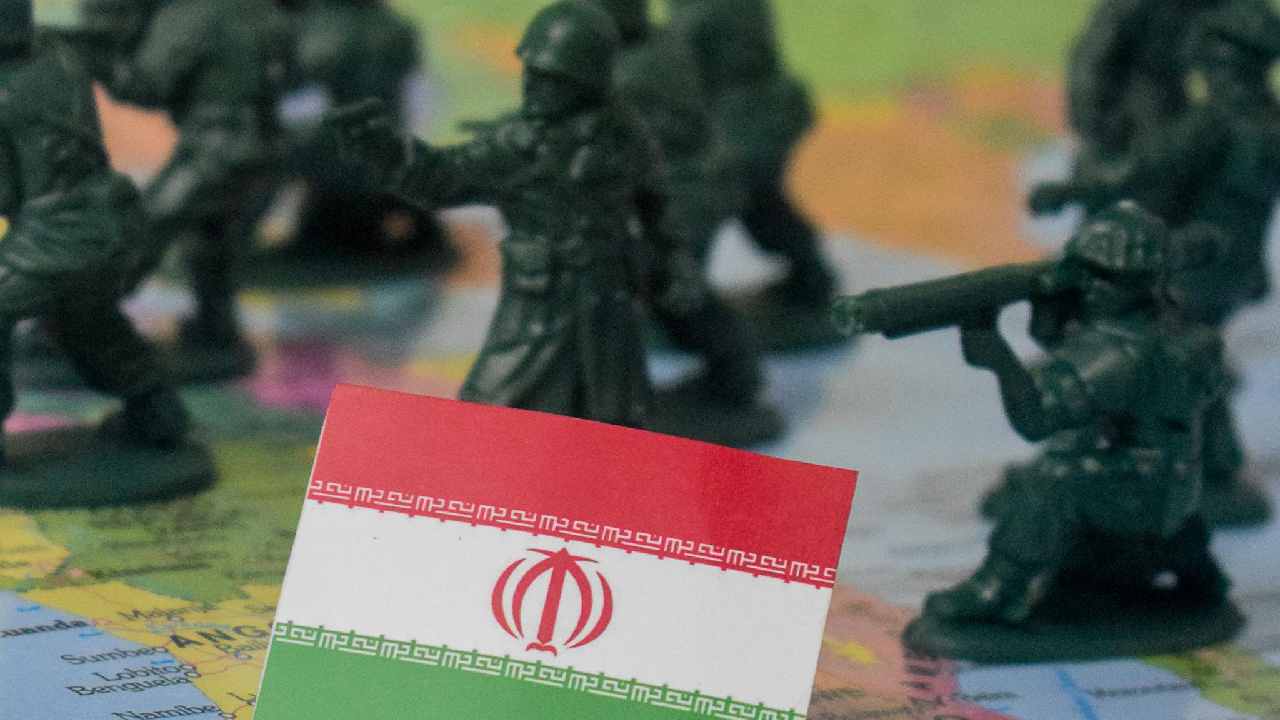

The fragile balance between diplomacy and confrontation returns to dominate the international scenario. Amid delicate negotiations, the possible collapse of a ceasefire between the United States and Iran raises global alerts.
At the same time that authorities try to sustain the truce, military strategies are already coming into play, especially involving the strategic Strait of Hormuz.
This dual movement — negotiation and preparation for conflict — shows how the situation remains unstable. Therefore, understanding the behind-the-scenes of this ceasefire helps to comprehend the real risks that the world may face in the coming months.
What is behind the ceasefire
To understand the current moment, it is necessary to take a few steps back. The relationship between the United States and Iran has accumulated decades of tensions. However, recent events have raised the level of risk to a more sensitive level.
-
Ukraine War Impacts Brazilian Fuel Supply: Russian Diesel Imports Drop 65% in June, Brazil Turns to US and India Amid Market Concerns

-
Chinese Nuclear Submarine Launches Simulated Warhead Missile in Pacific, Heightening Regional Tensions Amid Naval Drills with Russia Near Qingdao; New Zealand and Papua New Guinea Warn of Persistent Chinese Military Presence
-
Ayatollah Ali Khamenei’s Funeral Draws 15 to 20 Million in Tehran, Calls for Revenge Against Trump After Joint Israel-U.S. Attack

-
U.S. Establishes Permanent Embassy in Jerusalem, Reigniting International Debate Over Israel’s Capital
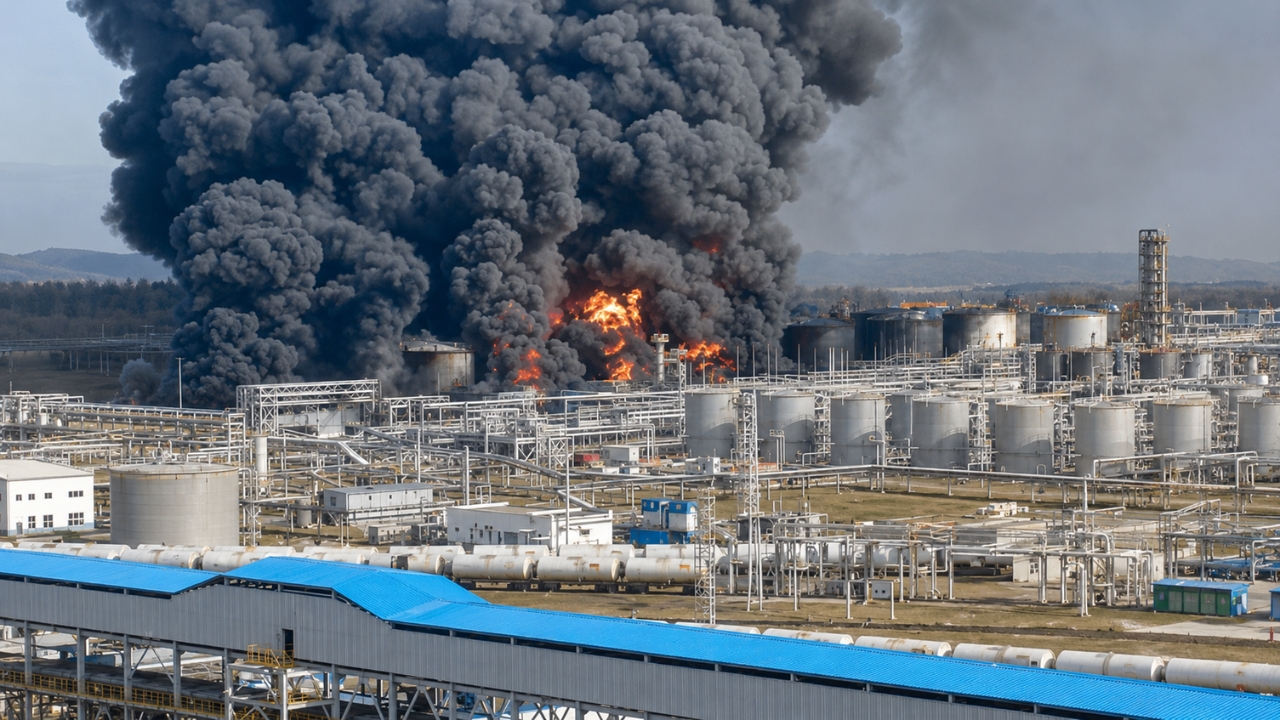


According to reports, American authorities have begun to structure attack plans in case the ceasefire does not hold. This movement occurs in parallel to diplomatic attempts, revealing a pragmatic stance: negotiate, but do not rule out the use of force.
Furthermore, the regional context contributes to the complexity of the scenario. The Persian Gulf houses essential energy interests, and any instability there directly affects the global oil flow. Thus, the ceasefire involves not just two countries, but impacts the entire international economy.

Why Hormuz is the central point of tension
The Strait of Hormuz did not become a focus by chance. It is one of the most important maritime routes in the world, responsible for transporting a significant portion of global oil.
When there is any threat to navigation in the region, various effects arise almost immediately:
- increase in oil prices
- insecurity in financial markets
- pressure on supply chains
- risk of energy shortages in different countries
Thus, maintaining the ceasefire is not just a diplomatic issue, but also an economic one. If the agreement fails, the impacts could quickly exceed the borders of the Middle East.
The logic behind US military plans
While public discourse emphasizes diplomacy, behind the scenes reveals another layer of the American strategy. Authorities are assessing rapid response scenarios in case Iran advances on maritime routes or attacks allied interests.
This stance follows a clear logic. Instead of reacting in an improvised manner, the government seeks to anticipate possibilities. Thus, if the ceasefire breaks, the United States will already have structured options.
Among the main objectives of these possible actions are:
- ensure free navigation in the Strait of Hormuz
- protect strategic allies in the region
- avoid blockades that affect the global market
- demonstrate military response capability
At the same time, this preparation also serves as a tool for diplomatic pressure. In other words, military planning not only anticipates a conflict but also tries to avoid it.

Why the ceasefire remains so fragile
Despite efforts, the ceasefire faces significant obstacles. Distrust between the parties remains high, and isolated incidents can quickly escalate the situation.
Several factors contribute to this instability:
- disagreements over the terms of the agreement
- indirect actions by allied groups in the region
- internal political pressure in both countries
- conflicting strategic interests
Moreover, any incident in the Persian Gulf gains international proportions almost instantly. This means that even minor events can jeopardize the continuity of the truce.
Consequently, the ceasefire depends not only on formal decisions but also on strict control over actions on the ground.
Direct impacts on the global economy
When there is talk of tension in the Strait of Hormuz, the market reacts almost automatically. This happens because the region plays a central role in global energy supply.
If the ceasefire fails, some effects are likely to emerge quickly:
- surge in oil prices
- increase in transportation and production costs
- inflation in various economies
- instability in stock markets
Additionally, countries highly dependent on energy imports may face even greater challenges. Therefore, governments and companies closely monitor every development.
The role of international diplomacy
Although the United States and Iran are at the forefront of the conflict, other international actors also influence the course of negotiations. Global powers and multilateral organizations work to prevent further escalation.
In this scenario, maintaining the ceasefire requires constant coordination. Diplomats seek to create mechanisms that reduce risks and increase the predictability of actions.
At the same time, dialogue faces clear limits. When strategic interests clash, negotiation becomes more complex. Nevertheless, diplomacy remains the primary alternative to avoid direct confrontation.
Possible scenarios from now on
In light of this context, several paths are emerging for the near future. Each of them directly depends on the stability of the ceasefire.
If the truce holds, the scenario is likely to evolve towards:
- gradual return to normalcy in maritime transport
- reduction of pressure on global markets
- advancement of diplomatic negotiations
On the other hand, if the ceasefire fails, developments may include:
- military actions in the Strait of Hormuz
- escalation of regional conflict
- immediate global economic impact
- increased tension between major powers
Between these two extremes, there is also an intermediate zone marked by controlled instability. In this case, the agreement remains formally active, but episodes of tension continue to occur.


What is at stake beyond the conflict
Although the focus is on the confrontation between the United States and Iran, the scenario involves broader issues. Energy, global trade, and geopolitical balance come into play.
Therefore, the ceasefire represents more than a pause in hostilities. It serves as an indicator of the level of international stability.
Furthermore, the way this crisis evolves may influence future negotiations in other regions of the world. In an increasingly interconnected global environment, local decisions have wide-ranging effects.