






 Portuguese
  Spanish
  3 min of reading
  0 comments


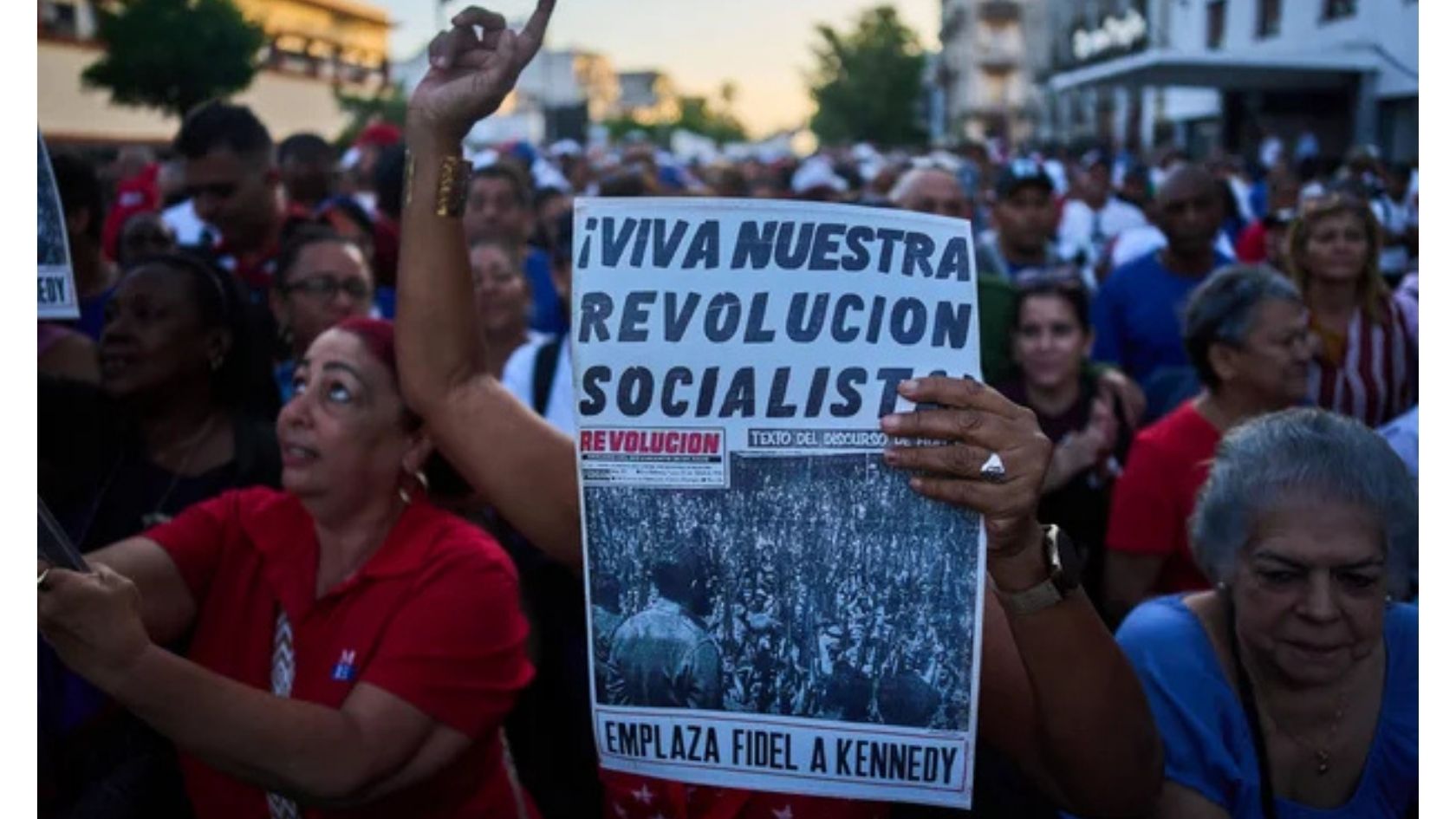
Havana reinforces national security protocols and civil mobilization in response to increased diplomatic and military tensions with Washington.
The Cuban leader, Miguel Díaz-Canel, declared that the Caribbean country will be prepared to respond to any external military aggression.
This statement comes at a time of growing diplomatic hostility and a possible U.S. attack on Cuba, intensified by recent rhetoric from the White House. According to the Havana government, national defense forces have been put on alert to ensure territorial sovereignty in the face of tightening economic sanctions and direct warnings from Washington.
National mobilization and defense strategy
Cuban leadership has reinforced that the country’s defense doctrine is based on popular participation and continuous resistance against foreign interference.
-
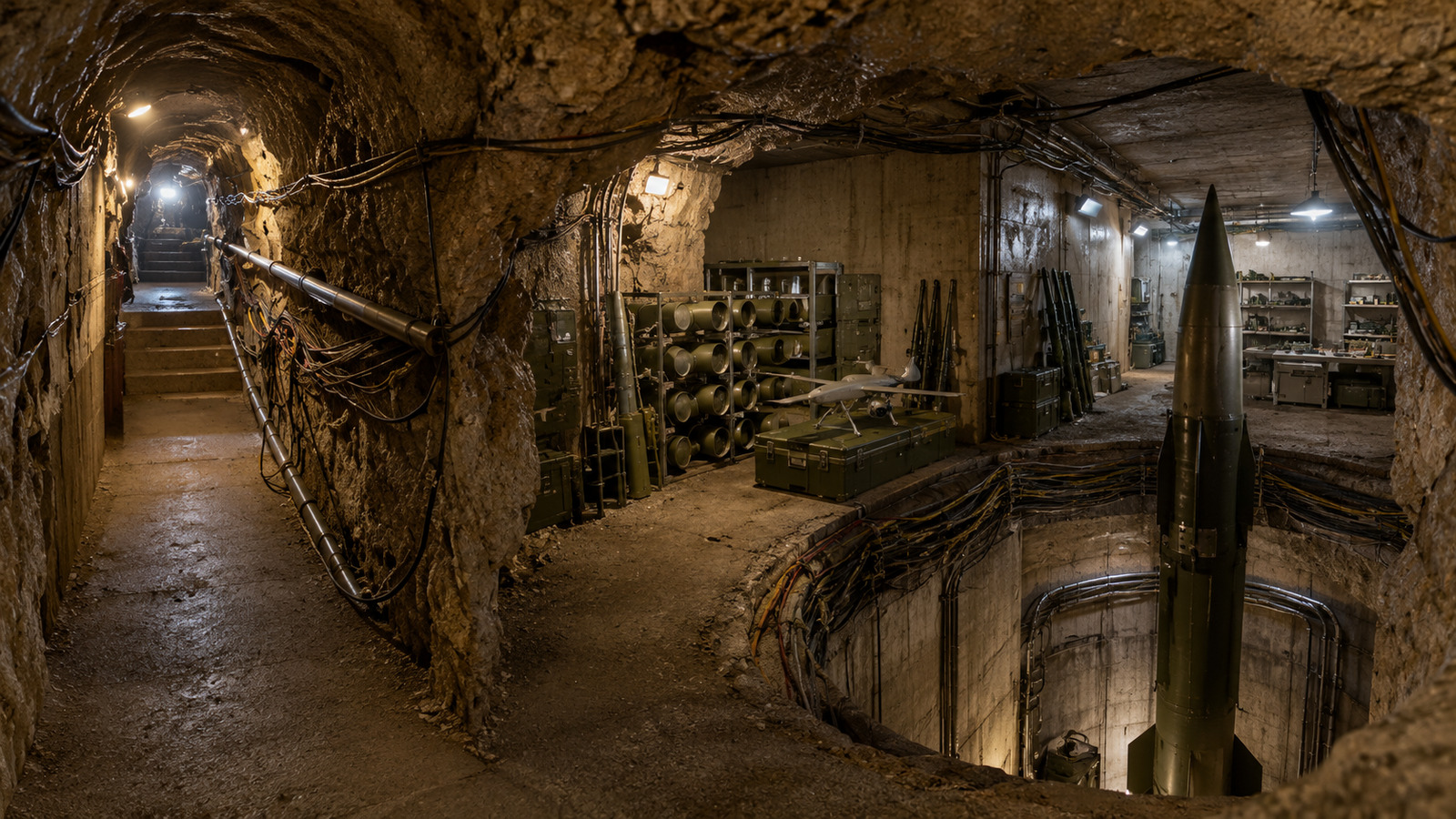
Israel finds Hezbollah militarized tunnel over 200 meters long under village, with 4 missile launch shafts, 12 chambers, anti-tank missiles, drones, and weapons depots at a depth of 25 meters.

-
Ukraine launches largest drone attack on Moscow since 2022, Russia claims to have intercepted nearly 200 aircraft near the capital, Kapotnya refinery targeted again, and offensive reignites alert about war reaching the Russian energy heart just a few kilometers from the Kremlin.

-
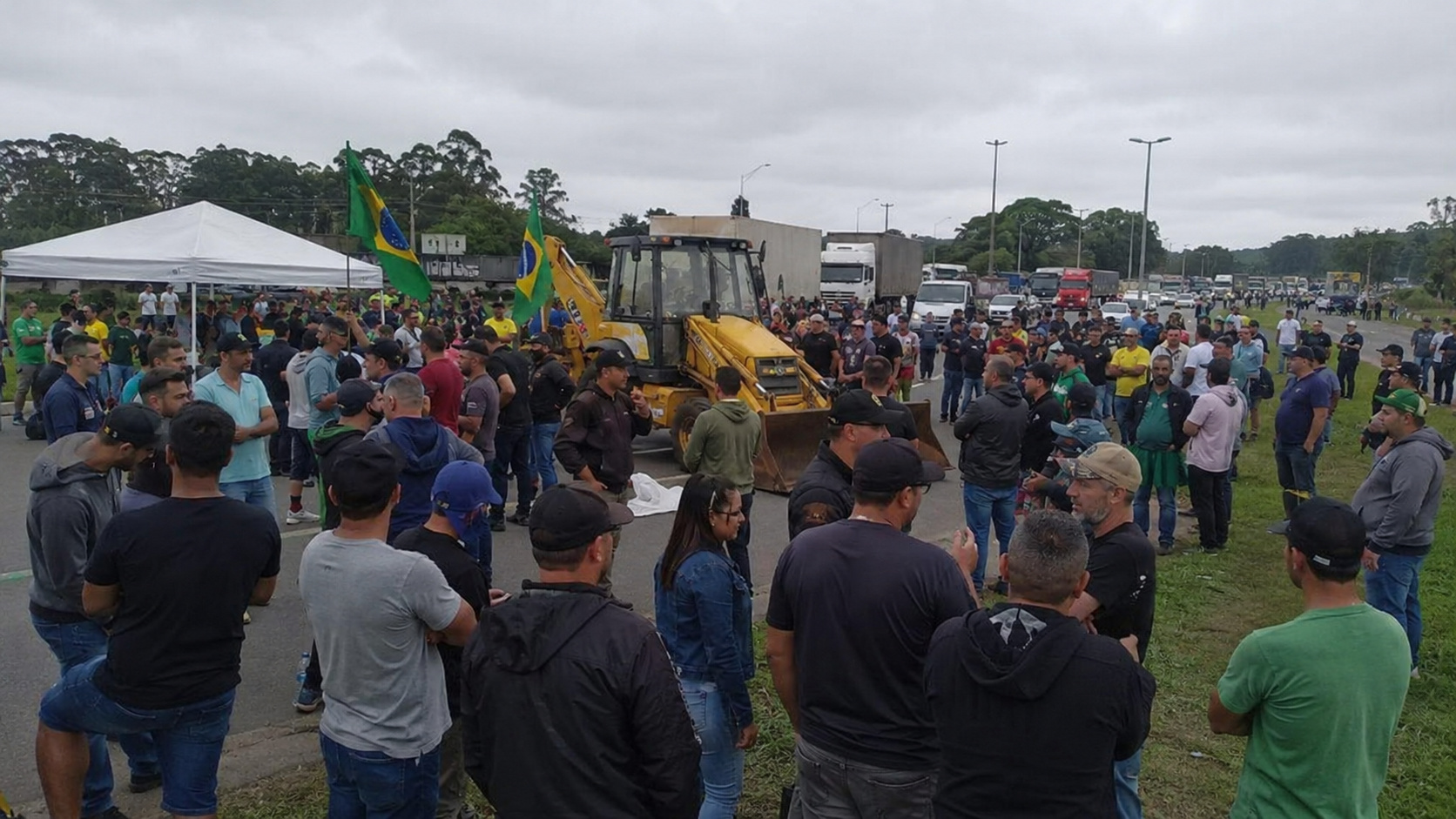
Truck drivers, freight, and fines from 2022 take center stage in politics: Chamber approves MP with amnesty, mandatory tracking by CIOT, million-dollar penalties, and new minimum wage for those who spend more than 24 hours on the road.

-
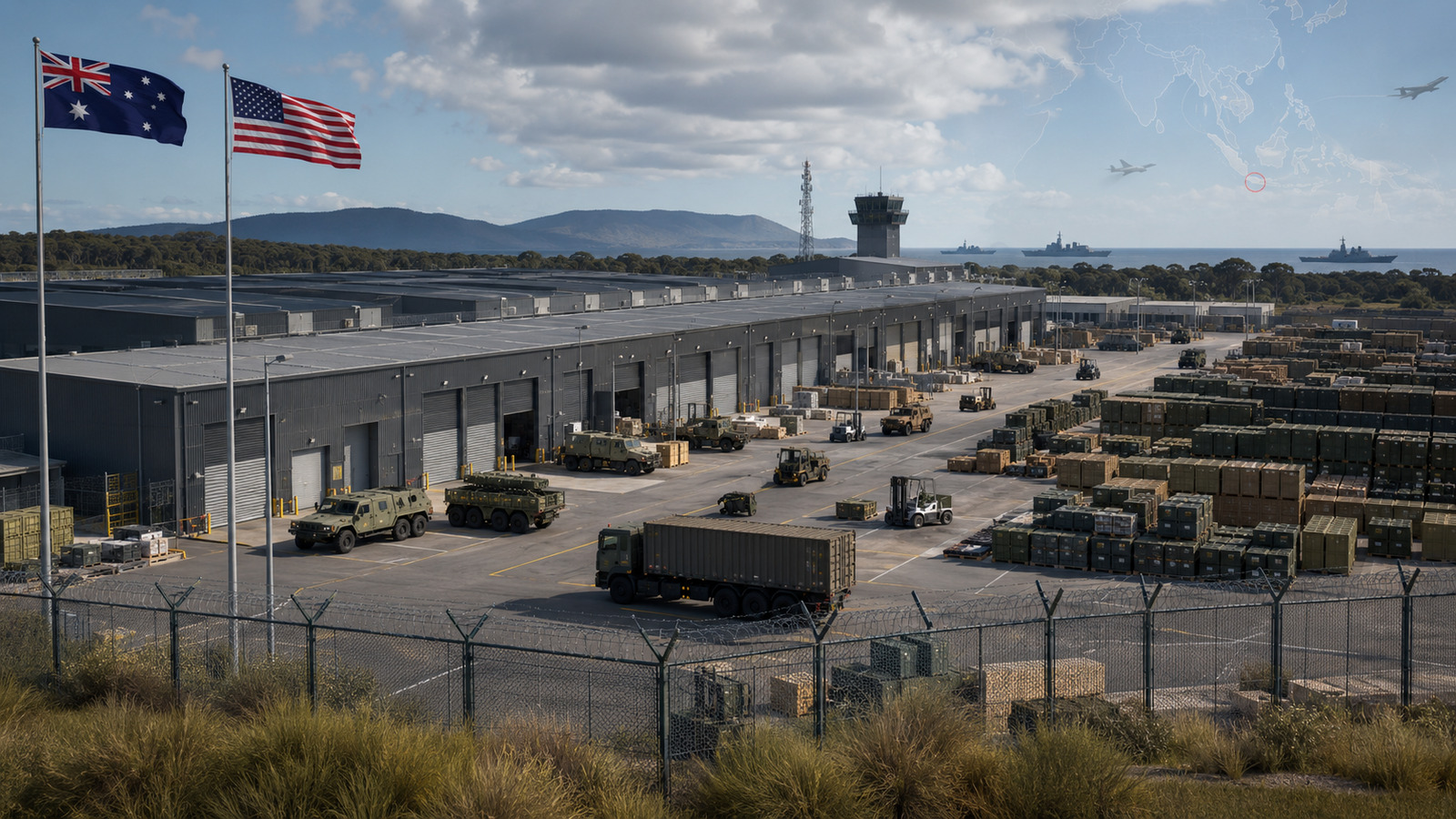
China off the radar: US plans mega $30 million weapons depot in Australia, out of reach of most Chinese missiles, with full capacity expected by 2028

The announcement that the island would be ready for a U.S. attack on Cuba aims to reassure the domestic population while sending a clear deterrent message to the international community. Military exercises and emergency protocol reviews have been observed as part of this maximum readiness strategy.
Local authorities emphasize that the country has decades of experience in resisting external pressures and prolonged blockades. The Cuban government claims that the increase in tensions is an attempt to destabilize internal order through direct intimidation.
Preparation for a potential U.S. attack on Cuba includes the protection of critical infrastructures and increased surveillance in strategic coastal areas.
Diplomatic impact and reactions in the region
The worsening crisis between Havana and Washington raises concerns about political stability in the Western Hemisphere and the future of bilateral relations. Cuba’s allied countries and regional organizations are cautiously monitoring the threats of a U.S. attack on Cuba, fearing the humanitarian consequences of an armed conflict. Cuban diplomats denounce what they classify as an anachronistic stance that harkens back to the tensest periods of the Cold War.
Donald Trump’s rhetoric has been interpreted by the island’s government as a political pressure tool to force structural changes in the Cuban socialist system. Despite the threats, Havana maintains the discourse that it will not accept external impositions under the shadow of a U.S. attack on Cuba.
The country’s economic resilience is being tested as sanctions become more stringent, limiting access to basic resources and technology.
Context of security and constant surveillance
The Revolutionary Armed Forces of Cuba have intensified monitoring of activities near the Guantanamo Naval Base and in the Florida Strait.
The possibility of a U.S. attack on Cuba forces the military command to keep rapid response units on permanent alert to avoid any tactical surprises. The government reiterates that the unity between the army and civil society is the main pillar of its defense capability against foreign powers.
Internally, state media reinforce the sense of patriotism, highlighting the need for vigilance in light of the declared intentions of the American administration.
The Cuban leader concluded his statements by emphasizing that peace is the goal, but readiness is a necessity in the face of a potential U.S. attack on Cuba. The scenario remains uncertain, awaiting the next developments in the United States’ external security policies for the Caribbean region.
With information from CBS NEWS





-

1 person reacted to this.