






 Portuguese
  Spanish


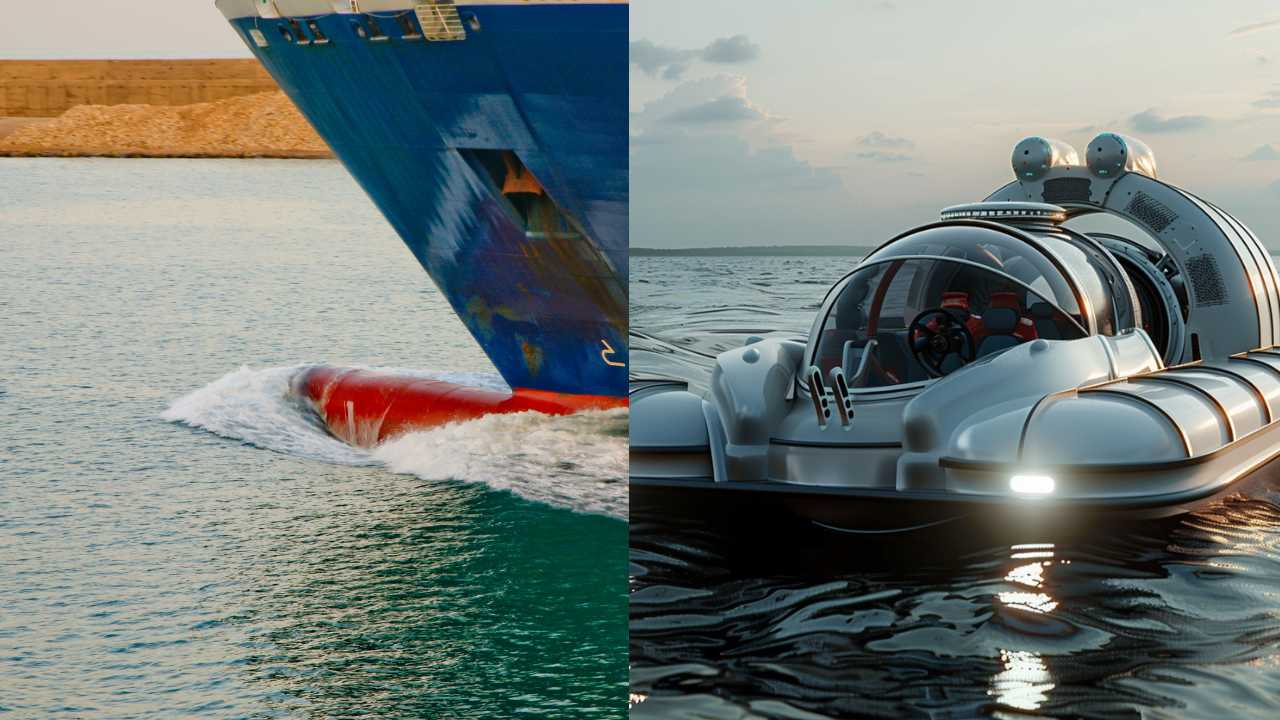


From Bow Bulbs That Cut Through Waves Increasing Efficiency to Waste Management and Versatile Hovercrafts, the Naval Industry Innovates in Speed and Sustainability, Navigating Towards a More Responsible and Efficient Future.
The naval industry, a fundamental pillar of global trade and passenger transport, is constantly adapting and evolving to face modern challenges, both technological and environmental. Gigantic ships traverse the world’s seas, not just transporting goods and people but also demonstrating the power of human engineering. With the growing awareness of environmental issues and the need for efficiency, this industry has seen significant innovations that enhance the speed and sustainability of ships.
Among these innovations is the development of components such as the bow bulb, which has reshaped the design of large ships to make them faster and more economical. Waste management and environmental impact are critical points that have received special attention, leading to the implementation of stringent international regulations. These transformations not only expand the capacity of ships but also aim to protect the delicate marine ecosystems that are vital to the health of our planet.
Naval Industry: What Is the Bulb on the Ship?
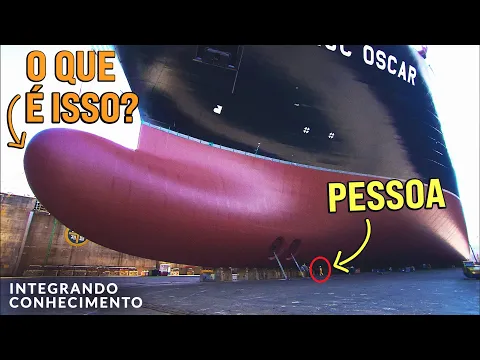

The bow bulb is one of the most interesting innovations in the naval industry and is visible in the design of modern ships. This component, which looks like a bulb or a protrusion located at the front of the hull, below the waterline, plays a vital role in the operational efficiency of large ships. Developed in the 1930s, the bow bulb revolutionized the way ships cut through water.
-
They exchanged the idea of a large house for a 35 m² warehouse, spent US$ 12,000 on the structure, and created a tiny house in Colorado with space to live and work.

-
While modern cities rely on pumps and electricity, in Iran, ancient tunnels carried water through the desert using only slope and gravity.
-
Instead of sending families far from the city, a project in Chile intentionally created incomplete houses on expensive urban land and left technical space for each to grow.
-
General Motors Replaces Over a Thousand Workers with 50 Cobots at Electric Vehicle Plant, UAW Union Criticizes Move Amid Industry’s Automation Push


Functionally, the bow bulb aims to enhance the ship’s hydrodynamics. As it moves through the water, the bulb generates a wave that helps to reduce the resistance created by the ship’s bow, which would normally produce a larger wave. The wave generated by the bulb interacts with the bow wave, reducing overall resistance and allowing the ship to move more smoothly and with less effort. This mechanism results in a series of direct benefits, such as increased speed, reduced fuel consumption, and consequently, lowered greenhouse gas emissions.
The Curious Red Color of Ships
Have you ever noticed that many ships have their hulls painted red? This is not just a matter of aesthetics. The red paint contains copper, which protects the hull against marine organisms such as barnacles and algae. These organisms can attach themselves to the hull and increase drag, thereby reducing the ship’s speed and increasing fuel consumption. Even though there are currently paints of various colors with these properties, the red color remains popular as it makes visual inspection of hull damage easier.
Waste Management on Large Ships
Large ships, especially cruise ships, generate a significant amount of waste. Regulations from the International Maritime Organization (IMO) establish strict guidelines for the treatment and disposal of waste, aiming to minimize environmental impact. However, even with these standards, waste management remains a major challenge, as a significant portion may still end up in the oceans if not managed properly, which poses a major challenge for the naval industry.
Hovercrafts: The Vessels That Operate on Water and Land
An intriguing curiosity in the naval industry is hovercrafts. These vessels use a cushion of air to lift off the ground or water, reducing friction and allowing them to glide on both water and land. Due to their versatility, hovercrafts are often used in search and rescue operations, military applications, and in tourism and recreation industries. They are a fascinating example of how innovation can overcome operational and environmental limits.







Sou advogado e não conheço do assunto. Há anos já havia observado o ‘bulbo’ em alguns navios, ficava curioso e sem saber o porquê daquela protuberância, parecendo coisa sem nexo. Hoje aprendi sobre isso, pra meu regozijo. Estou com o comentário anteriormente exibido: existe desde 1930 e ‘somente agora se tem essa informação de sua funcionalidade’. Antes tarde do que nunca
Grato.
É muito bom saber, que o “BULBO DE PROA”, “é uma das invenções mais interessantes da Indústria Naval”, O que me chama atenção, é que ele foi desenvolvido em 1930. Quase um século, para ser divulgado.