Portuguese
  Spanish


From Technological Farms to Chuck Eye Roll in Steakhouses, Experts Show How Management, Genetics, and Innovation Redefine National Cattle Ranching and Boost High Gastronomy
The term evolutionary cattle ranching was present at the Gastronomic Journalism Week Paladar Estadão, in São Paulo, and showcased how Brazilian beef production has undergone a profound transformation — from the genetics of the animals to the final dish served in restaurants. The event was promoted by JBS, through Friboi, and brought together experts to discuss the impact of this process on the premium meat market.
According to the company, Brazil has established itself as one of the countries that has advanced the most in integrating technology, management, and genetics in cattle ranching. The evolution has brought gains in quality, sustainability, and profitability for the entire production chain.
“The advancement is connected to the chain as a whole: genetics, breeding, feeding, health, and animal welfare. Today, we are a world reference in premium beef,” stated Leonardo Maciel, Friboi’s technical commercial manager, during his presentation.
-
Entrepreneur Who Started at 13 Delivering Flyers by Bike in São Paulo Now Runs a 4,000 m² Culinary Complex in Brazil

-
In China, Workers Use VR Goggles and Body Sensors to Train Humanoid Robots for Tasks Like Folding Clothes and Stocking Stores
-
12-Year-Old Math Prodigy from Brazil Wins Two Gold Medals and Aims for Elite IMPA Tech
-
Magnet Weighing Over 360 Kilograms, Designed for Cardiac Surgery Machine and Valued at $100,000, Retrieves Sawed-Off Shotgun with Scratched Serial Number from Sea During Magnetic Fishing


Reinterpreted Cuts by Evolutionary Cattle Ranching
The lecture titled “Evolutionary Cattle Ranching” also featured Júlio Bassan, technical coordinator and consultant of Friboi. Both highlighted how the concept broke with the old classification of “first” and “second” meats.
Thanks to genetic development, management, and the use of technology, traditionally undervalued cuts have gained value in gastronomy. “What we used to call second-rate meat no longer exists,” explained Maciel.
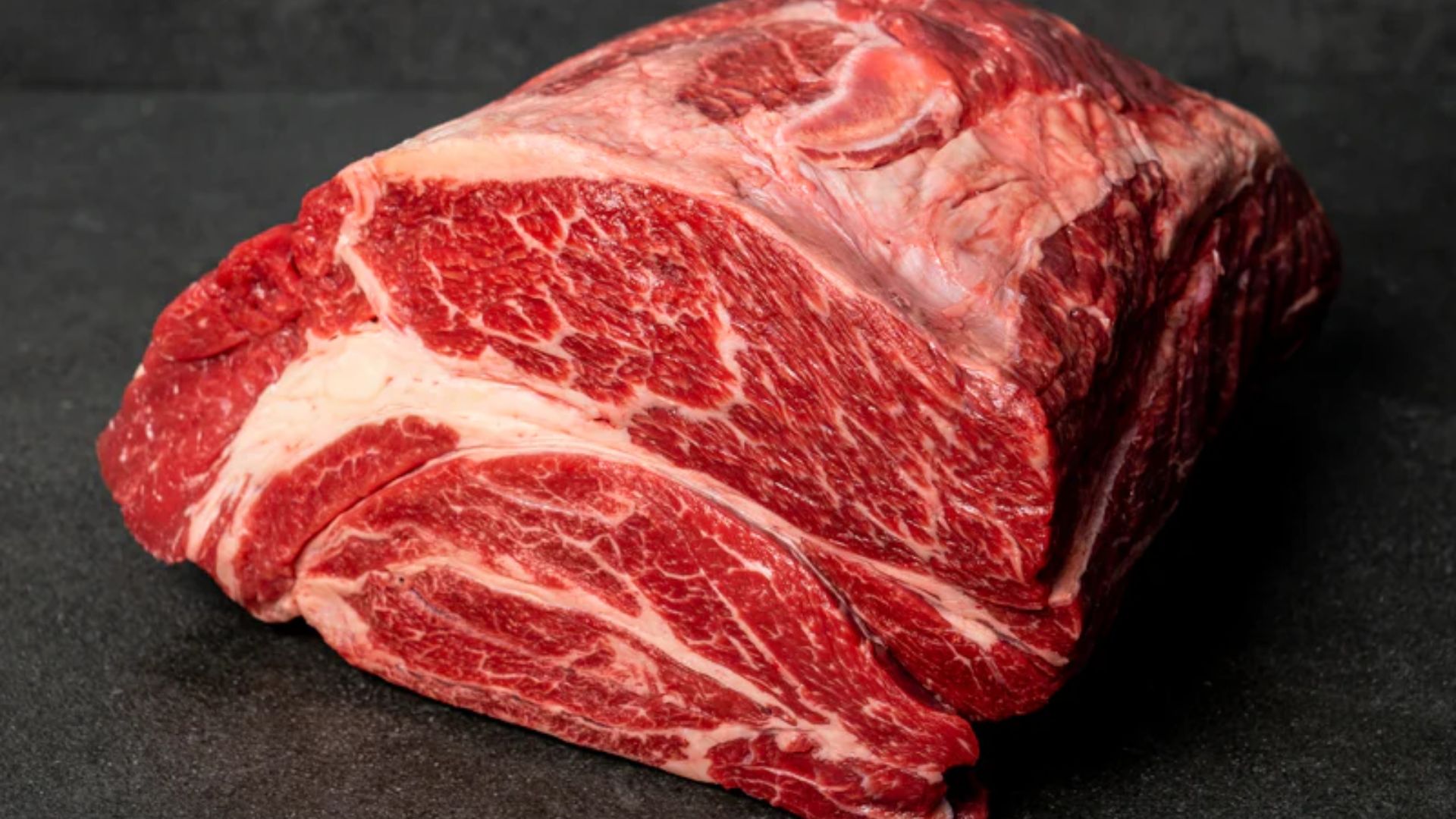
Among the examples presented, the highlight was the Chuck Eye Roll, a cut taken from the front of the animal, between the first and fifth rib, which has gained traction in high-end restaurants.
Chuck Eye Roll: The New Darling of Professional Kitchens
The Chuck Eye Roll, from the Friboi 1953 line, is now considered an excellent alternative to traditional and more expensive cuts, such as tenderloin, ribeye, and chorizo. When well-prepared, it delivers intense tenderness, marbling, and flavor, essential characteristics for high-level gastronomy.
According to Friboi, the cut can be used in various preparations valued by chefs: Short Rib, Denver Steak, and Cowboy Steak. This diversity of utilization broadens the possibilities within professional kitchens.
“The Chuck Eye Roll is extremely tender and flavorful. It serves the purpose of what is expected of a tenderloin, but with better cost-benefit,” said Maciel.
More Profitability for Restaurants
In addition to quality, the cut stood out for its economic factor. When properly prepared, it can reduce restaurant costs by up to 40% compared to tenderloin, according to Bassan.
This happens because the cut has a more attractive price but maintains the same standard of flavor and tenderness required in high gastronomy. Thus, it ensures more profitability for businesses without compromising the customer experience.
“The Chuck Eye Roll has ceased to be just a chuck cut and has been valued in steakhouses, parrillas, Asian restaurants, and high-end gastronomy,” the consultant emphasized.
Versatility in Preparation and New Experiences
Another point highlighted was the versatility of the cut. It can be grilled, braised, smoked, served in steaks, stews, or even as carpaccio. This flexibility increases the presence of the product on various menus.
According to the experts, the correct preparation technique enhances the cut and transforms the consumer experience while contributing to resource savings within the kitchens.
This logic fits into the concept of evolutionary cattle ranching: using technology and knowledge to fully utilize the animal, reduce waste, and generate more value for the gastronomic market.
A New Era for Brazilian Meat
The information was disclosed by Estadão, which accompanied the event and highlighted how national cattle ranching has entered a more technological and sustainable phase. The process involves everything from genetic selection to the final cut, ensuring consistent quality and alignment with global gastronomy demands.
At the workshop “Introduction to Gastronomic Critique,” held during the Paladar Week, journalism students and recent graduates were able to taste the Chuck Eye Roll and verify the characteristics presented by the experts.
With this strategy, the Friboi 1953 line reinforces its role in offering a new reading of beef, more conscious, technical, and adapted to the demands of the high gastronomy market.