Portuguese
  Spanish





From a Japanese Island Surrounded by Concrete to a Soviet Village Frozen in the Arctic, Discover Five Ghost Towns Around the World That Reveal Stories of Glory, Abandonment, and the Inevitable Power of Time
On different continents, cities that once pulsated with life now remain silent, engulfed by nature or buried by time. Each of them holds traces of an era of prosperity, wars, mining, and trade.
They tell human stories of achievement and abandonment, transforming into true open-air museums — fascinating tourists and scholars alike. Below, meet five of these remarkable places, where beauty blends with desolation.
Hashima Island: The Concrete Ship of Japan
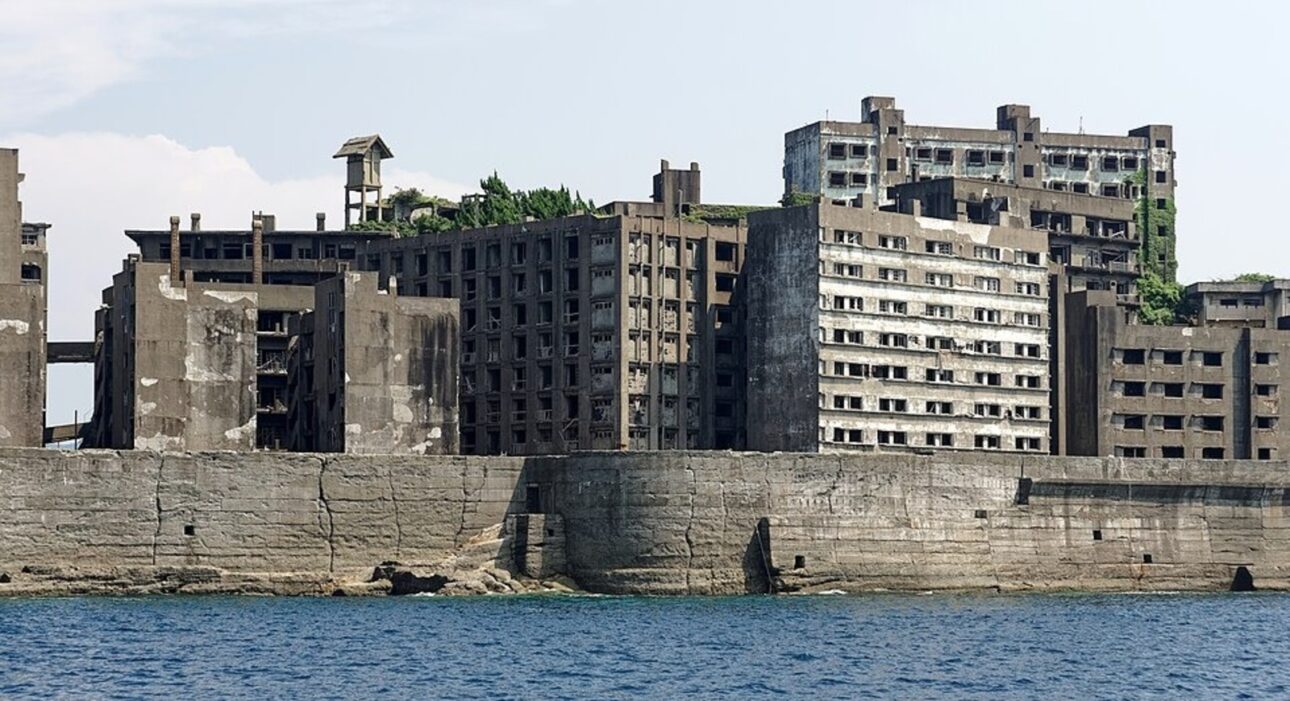
Located near Nagasaki, Hashima Island became famous for its role in the film Skyfall, starring James Bond, in 2012.
-
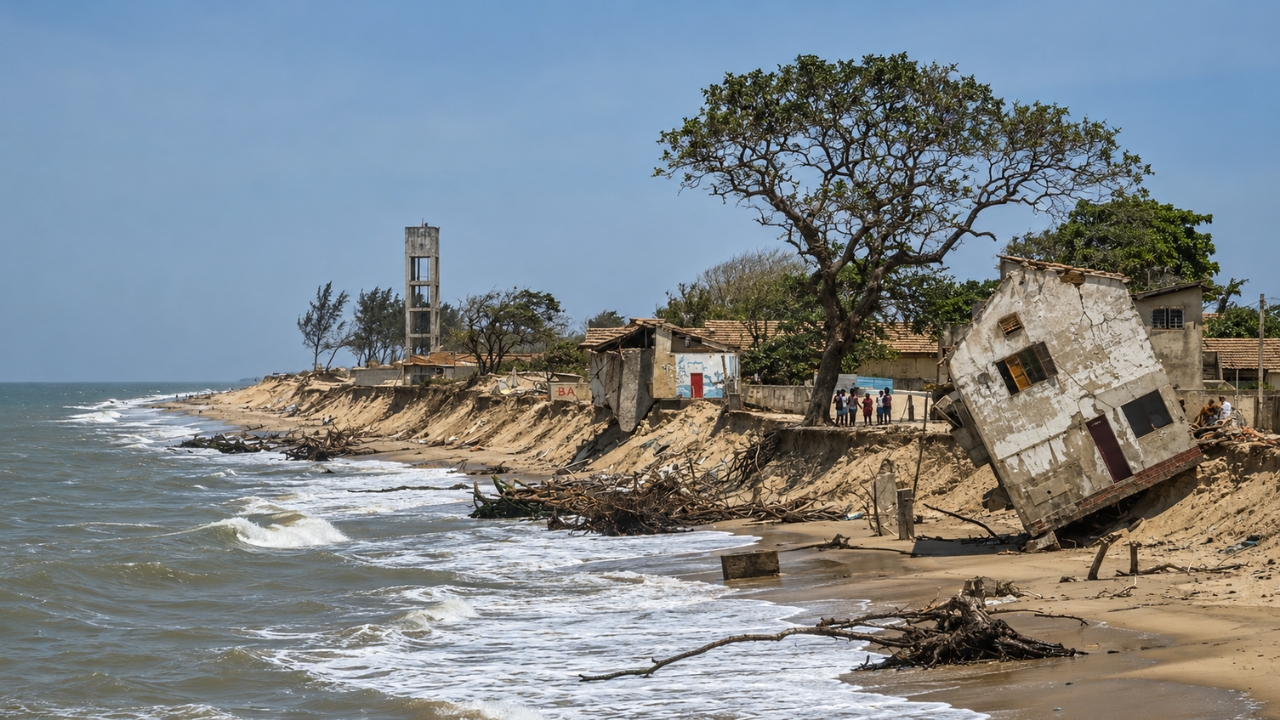
Coastal City in Rio de Janeiro Faces Slow Destruction as Sea Claims 500 Homes and Businesses

-
48-Year-Old Woman Wins Million-Dollar Prize, Gifts Neighbor First International Trip as Thanks for Years of Support

-
Women Once Mocked for Collecting Trash Form Group to Turn Organic Waste into Compost, Generate Daily Income, and Improve Market Cleanliness in One of the World’s Lowest GDP per Capita Countries
-
Archaeologists Uncover 40,000 Roman Bronze and Copper Coins from the 3rd Century in Fire-Destroyed French Neighborhood


The location served as inspiration for the villain Raoul Silva’s hideout, although most of the scenes were filmed in a studio.
Between 1887 and 1974, Hashima operated as an underwater coal mining center.
During World War II, prisoners of war were forcibly taken to work on the island under severe conditions, and records of deaths remain uncertain.
After the mines closed, Hashima was completely abandoned. Decades later, the Japanese government restored some structures and opened the site for visitation.
Today, it is recognized as a UNESCO World Heritage Site, attracting curious visitors fascinated by its brutalist architecture and post-apocalyptic atmosphere.
Mesa Verde: The Suspended Home of Ancestral Peoples
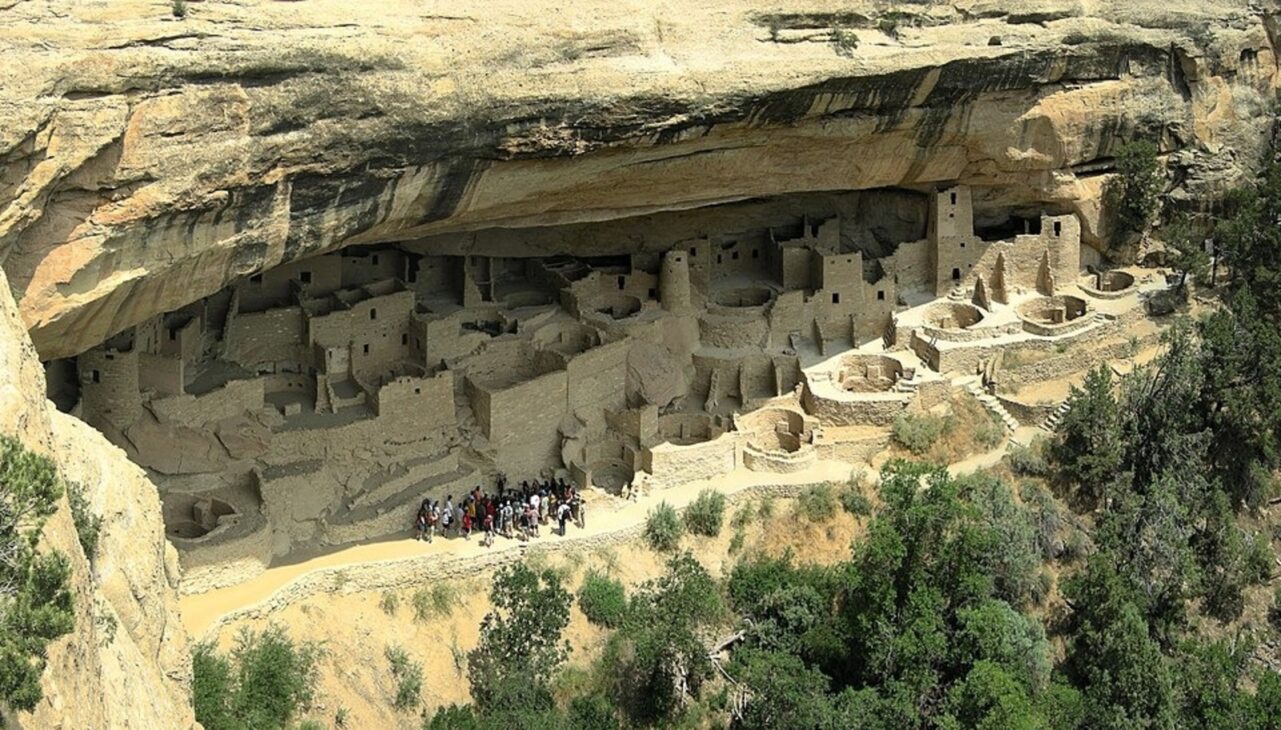
In the southwest of Colorado, in the United States, Mesa Verde National Park houses the ancient dwellings of the Ancestral Pueblo people, built into rock faces about 800 years ago.
Around 1190, inhabitants began to descend from the tops of the mesas to construct their homes within natural caves.
These shelters varied from small storage units to true villages with up to 150 rooms. The most famous, Cliff Palace, was home to about 100 people.
In the 13th century, the group completely abandoned the site, migrating to New Mexico and Arizona.
Today, visitors can explore the preserved ruins guided by park rangers or observe them from overlooks on Mesa Top Loop Road and Cliff Palace Loop Road. It is one of the largest archaeological relics in the United States.
Kolmanskop: The Luxury Buried by Sand
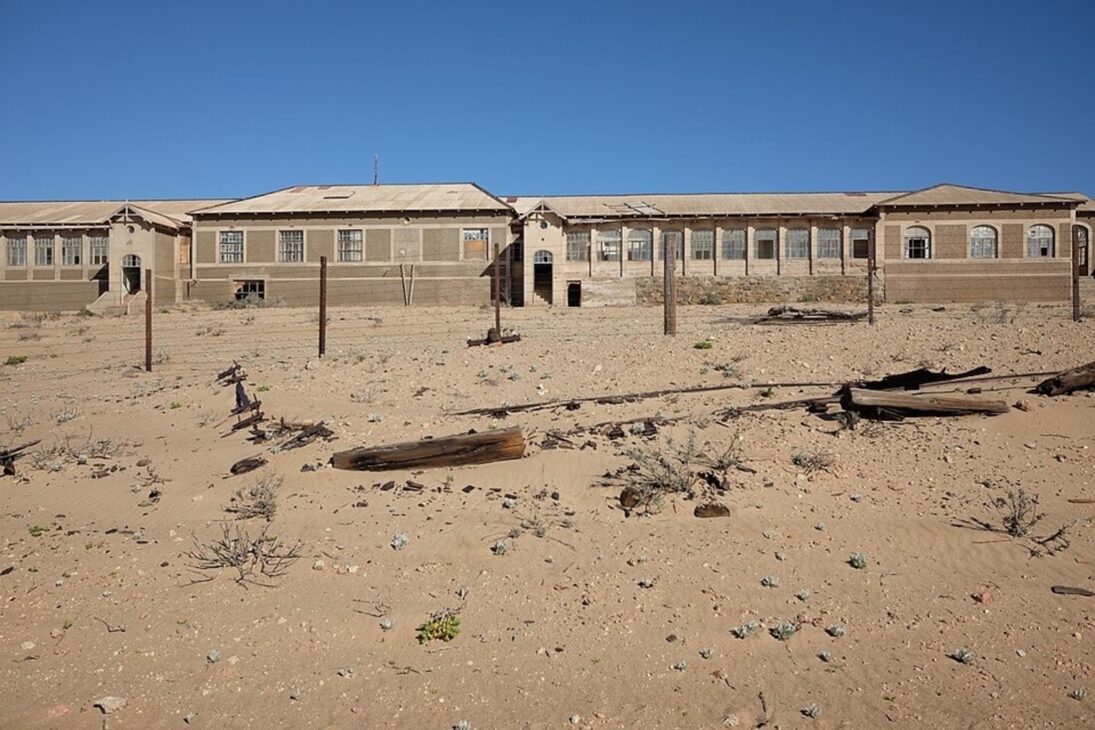
In the heart of the Namib Desert, Kolmanskop was a prosperous diamond mining town founded in 1908.
A railway worker discovered the first gemstones, and soon the region became one of Africa’s richest centers.
By 1912, Kolmanskop accounted for nearly 12% of the world’s diamond production. The town had a hospital, theater, casino, and even an ice factory — symbols of European luxury amid the desert.
But overexploitation led to collapse. In the 1950s, the mines were exhausted, and residents left.
Since then, dunes have advanced, invading homes and covering furniture, curtains, and old portraits. Today, Kolmanskop is a ghost town enveloped in silence and sand, attracting photographers from around the world.
Pyramiden: The Frozen Portrait of the Soviet Era
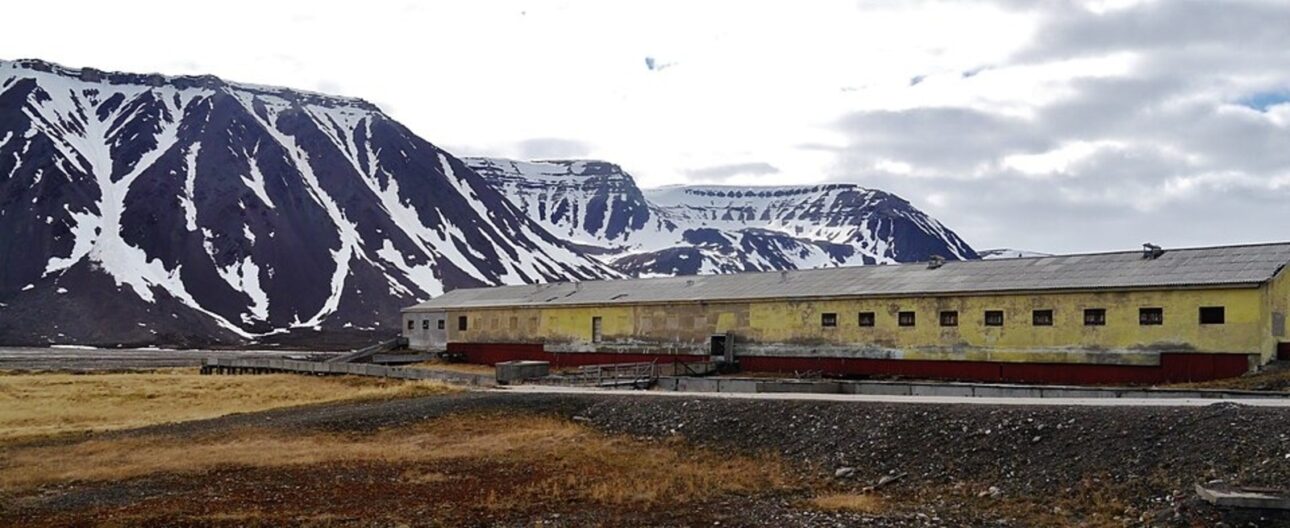
Established in the Svalbard archipelago, Norway, Pyramiden was a Russian settlement dedicated to coal mining. At its peak in the 1980s, it housed over a thousand residents, with schools, cinemas, and sports courts.
However, the drop in coal prices, high operational costs, and a tragic plane crash precipitated its closure in 1998.
Since then, the city has remained frozen in time: dishes remain on tables, newspapers still adorn the walls, and musical instruments are left untouched.
Today, only a few guides and tourists wander its empty streets, sharing the space with arctic foxes and occasionally polar bears.
Pyramiden is a Soviet capsule lost in the ice, a testament to a time when the Arctic symbolized ambition and power.
Al-‘Ula: The Forgotten Treasure of the Saudi Desert

In the heart of northwest Saudi Arabia, the ancient city of Al-‘Ula rises between mountains and golden rock formations.
For over two millennia, it was an important stopping point on the Incense Route, receiving caravans crossing the desert.
For centuries, Al-‘Ula flourished with its narrow alleys and mud-brick houses.
However, in the 1980s, modernization pushed its inhabitants to new areas, leaving behind a labyrinth of silent streets and crumbling facades.
Today, the Saudi government is promoting an ambitious revitalization project. More than 30 mud houses are being restored to form the Dar Tantora The House Hotel, an initiative transforming the ancient city into a luxury tourist destination.
Ghost Towns: Memories That Resist Time
These towns, while empty, remain alive in another sense: they preserve the echo of the civilizations that built them.
Each wall, track, or sand-covered street reveals a story of courage, greed, or adaptation.
As you walk through them, it’s impossible not to reflect on the fate of human societies — how they thrive, enter crises, and disappear, leaving behind only traces of their achievements.
From Hashima to Al-‘Ula, they all share the same fate: to become silent monuments to the passage of time.
And, perhaps, remind us that true permanence lies not in the buildings, but in the memories we carry of them.
With information from Casa Vogue.