






 Portuguese
  Spanish
  3 min of reading
  0 comments


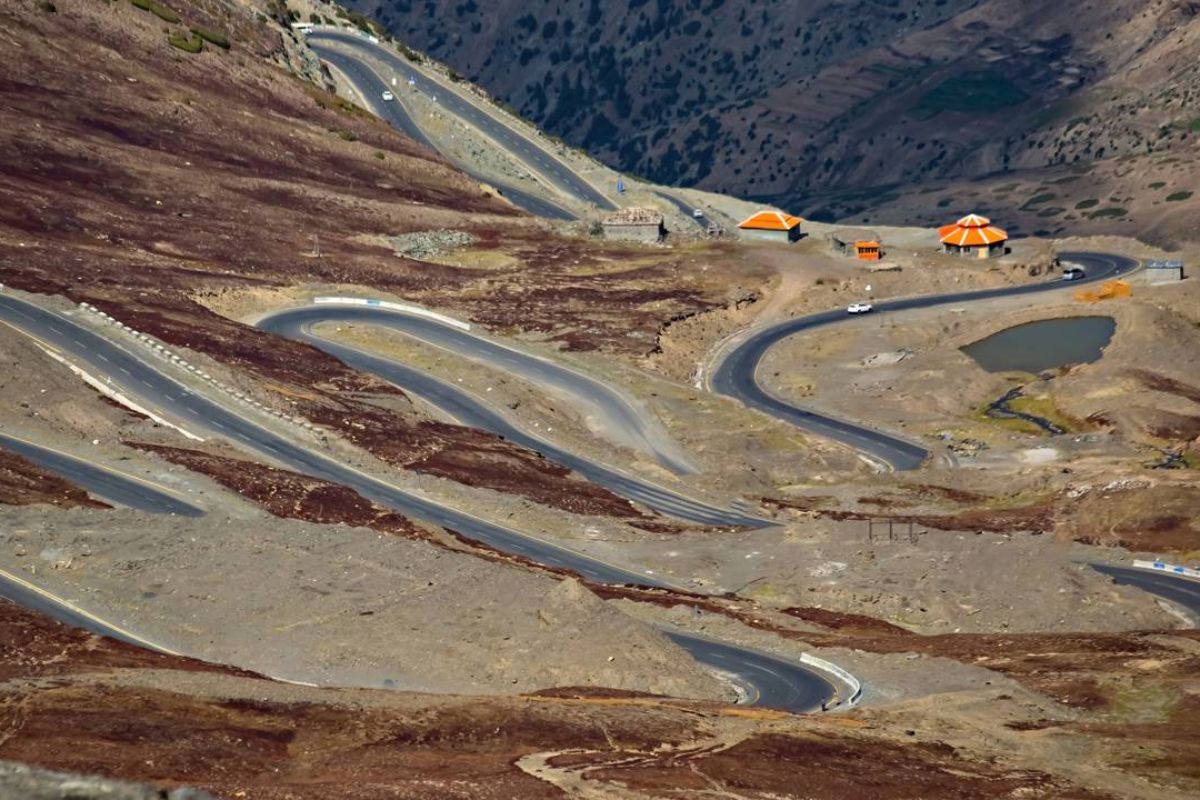
Babusar Pass, in Pakistan, is a road built at 4,173 meters above sea level in the Western Himalayas that connects the Kaghan Valley to the Chilas Valley in the Gilgit-Baltistan region. The road only operates between June and October, when the snow melts enough to clear the passage. In the other eight months of the year, the route is completely blocked, buried under meters of snow and ice. Even at the height of summer, temperatures at the top drop below zero.
The construction and maintenance of the road in Pakistan are the responsibility of the Frontier Works Organisation (FWO), the engineering arm of the Pakistani army. The work is continuous and brutal: every year, teams with heavy machinery need to reopen the highway by removing tons of accumulated snow, rebuilding sections destroyed by landslides, and reinforcing slopes with gabion walls and advanced drainage systems to contain the glacial melt that erodes the asphalt. The route is not simply maintained; it is practically rebuilt every season.
The thin air at 4,173 meters reduces the power of combustion engines by up to 30%, making steep climbs even more dangerous. Drivers face tight curves without guardrails, dense fog that reduces visibility to a few meters, and winds that can destabilize smaller vehicles. Heavy trucks and large buses are prohibited from using the highway due to the extreme incline. For those crossing the pass, the rapid ascent can also cause Acute Mountain Sickness, with symptoms such as dizziness, nausea, and shortness of breath.
How an impossible road transformed an entire region?

Before the paving, the Kaghan Valley was an isolated region, accessible only by 4×4 vehicles, and the journey between Islamabad and Chilas took over 24 hours via the alternative route of the Karakoram Highway.
-
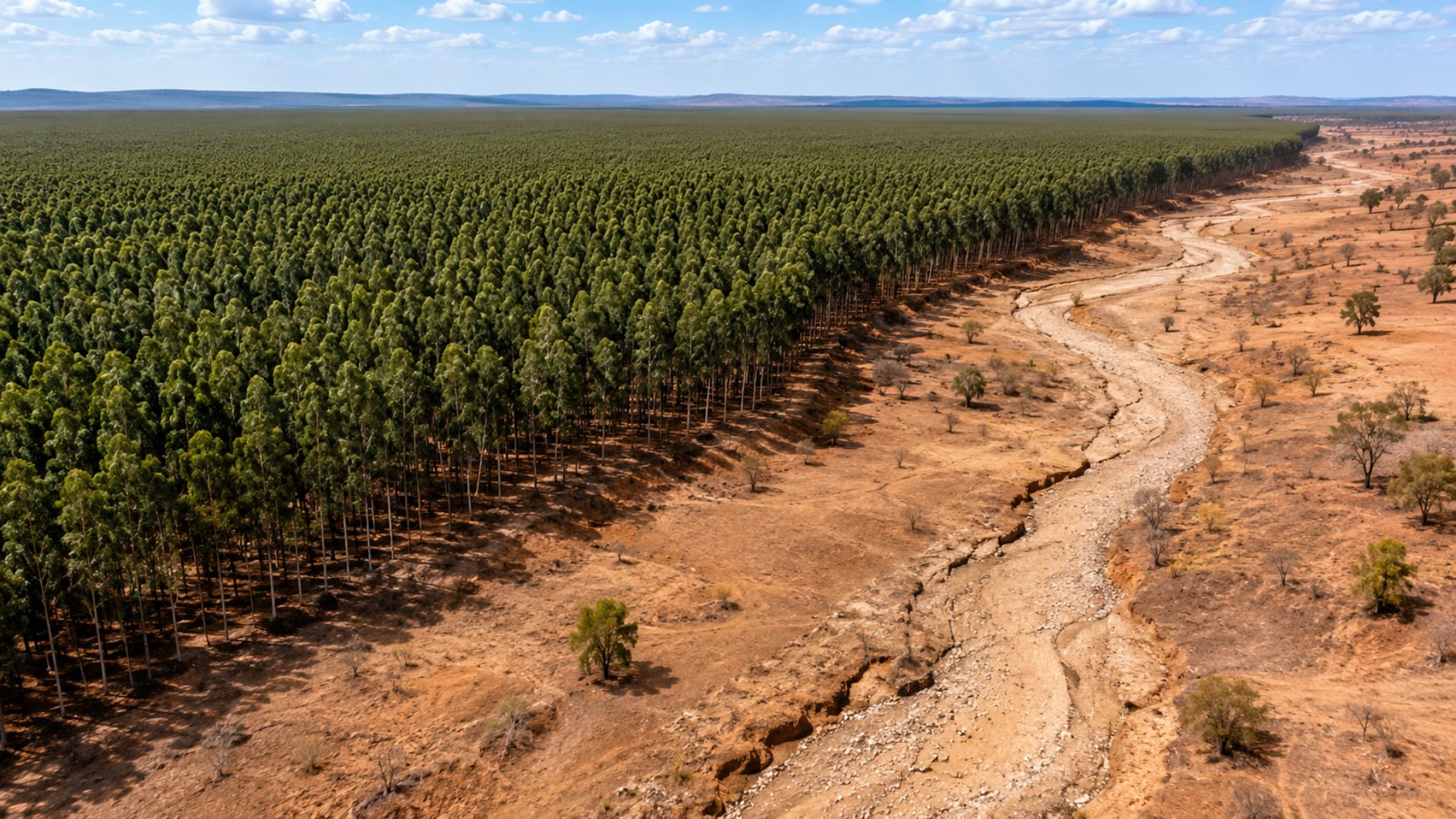
To halt the advance of the Sahara, the 8,000 km Great Green Wall in the Sahel relies on reforestation to combat desertification, but by 2026 it remains far behind the goal of 100 million hectares.

-
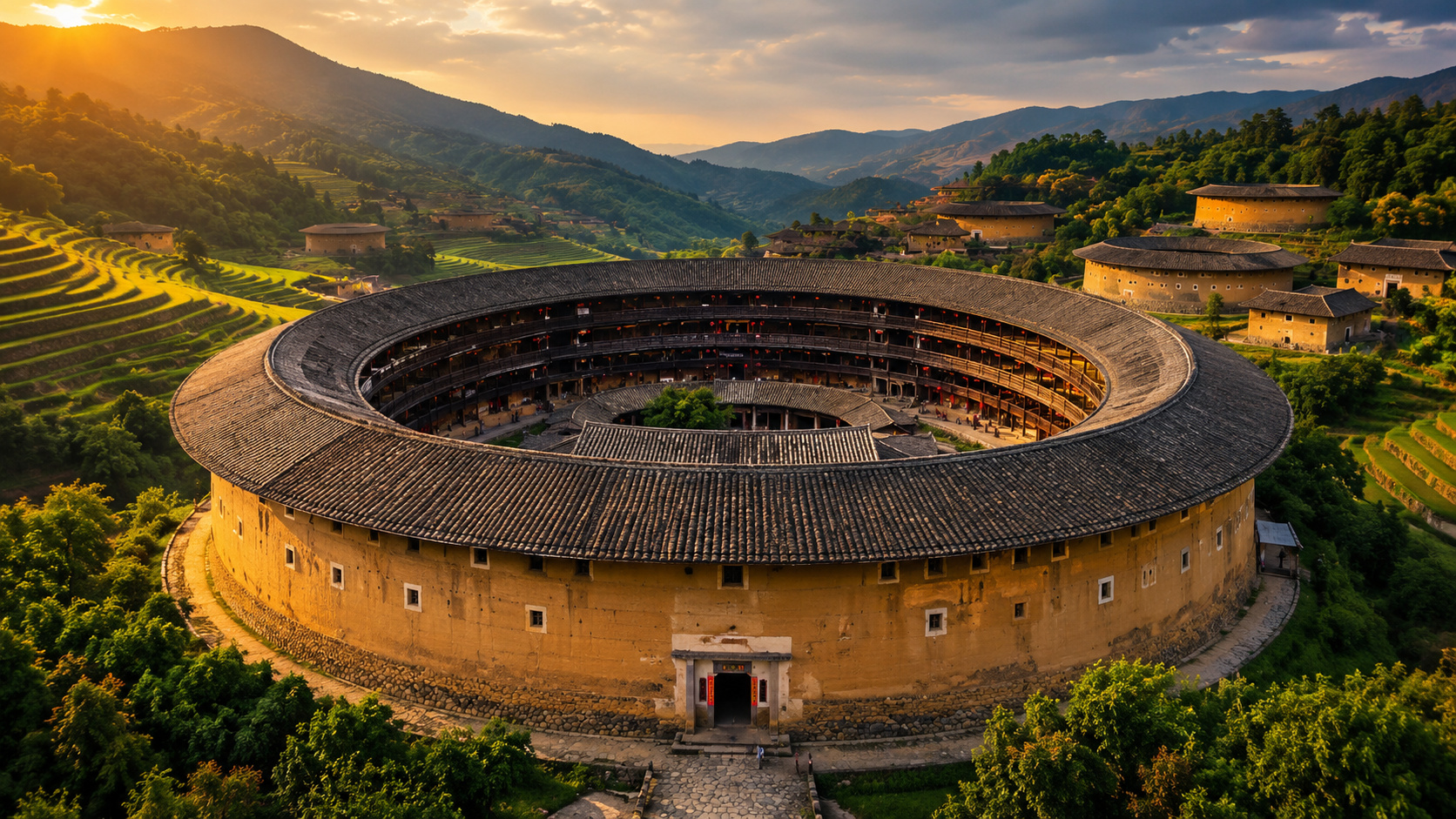
Long before sustainable construction became a trend, China built earthen fortresses with multiple floors, a central courtyard, and the capacity to house up to 800 people living in a community.

-
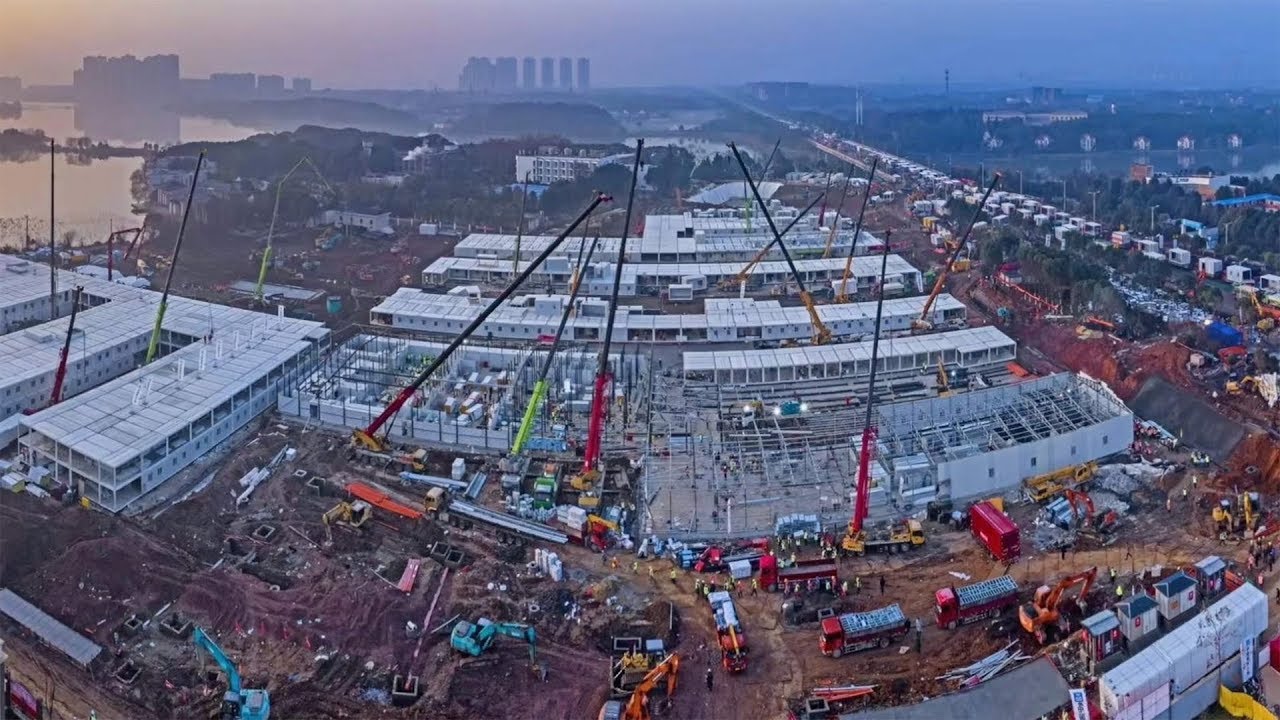
While in the rest of the world building a hospital takes years from design to inauguration, China erected the Huoshenshan Hospital from scratch in just 10 days, with 1,000 beds, foundation, structure, electrical installations, plumbing, and oxygen system ready to receive patients, mobilizing 7,000 workers.

-
Without mortar, grout, or traditional construction: the ClickBrick system assembles brick facades with ceramic pieces held by metal clips, eliminating the need for glue, speeding up installation, and even allowing everything to be dismantled later without turning the construction into expensive permanent debris.


With the modernization of Babusar Pass, this time has dropped to 12 to 14 hours, and the road has become accessible for regular passenger cars during the four months of opening.
The impact was immediate: tourism exploded.
The region, which was basically living off subsistence agriculture, saw the birth of an economy of hotels, restaurants, and services aimed at the thousands of tourists who now crowd the route during the short Pakistani summer.
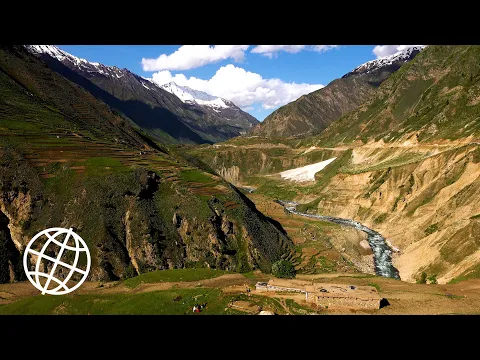
Alpine meadows, glacial lakes like Lulusar, and snow-capped peaks surrounding the road have become some of the most sought-after destinations in the country.
Data from the National Highway Authority of Pakistan (NHA) shows that the modernization of the route has also reduced accidents on the road, which was previously one of the deadliest in the region.
The Babusar Pass serves as a strategic shortcut to the Karakoram Highway, one of the most famous highways in the world, which connects Pakistan to China by crossing the Khunjerab Pass at 4,693 meters.
Together, the two roads form a high-altitude infrastructure corridor that has few parallels on the planet.
What does the engineering of Babusar Pass teach about building at extremes?

Maintaining a highway above 4,000 meters is a challenge that few countries face.
India does this in Ladakh, China in Tibet, and Peru in the Andes.
But Babusar Pass stands out for its extreme seasonality: no other strategic highway in the world has such a short operating window, only four months, requiring that all infrastructure be designed to withstand eight months of abandonment under polar conditions.
The engineering employed combines slope stabilization techniques used in seismic zones with drainage systems designed to handle the unpredictable volume of meltwater.
The asphalt used is formulated to withstand extreme freeze-thaw cycles, and even so, it requires annual repairs.
The Pakistan Tourism Development Corporation (PTDC) recommends that travelers do not stay overnight at the top and make stops in lower villages for acclimatization before crossing the highest point.
A road that needs to be rebuilt every year, that only operates for 4 months, where engines lose 30% of their power and the human body begins to fail.
Comment below: would you cross the Babusar Pass?





-

1 person reacted to this.