Portuguese
  Spanish


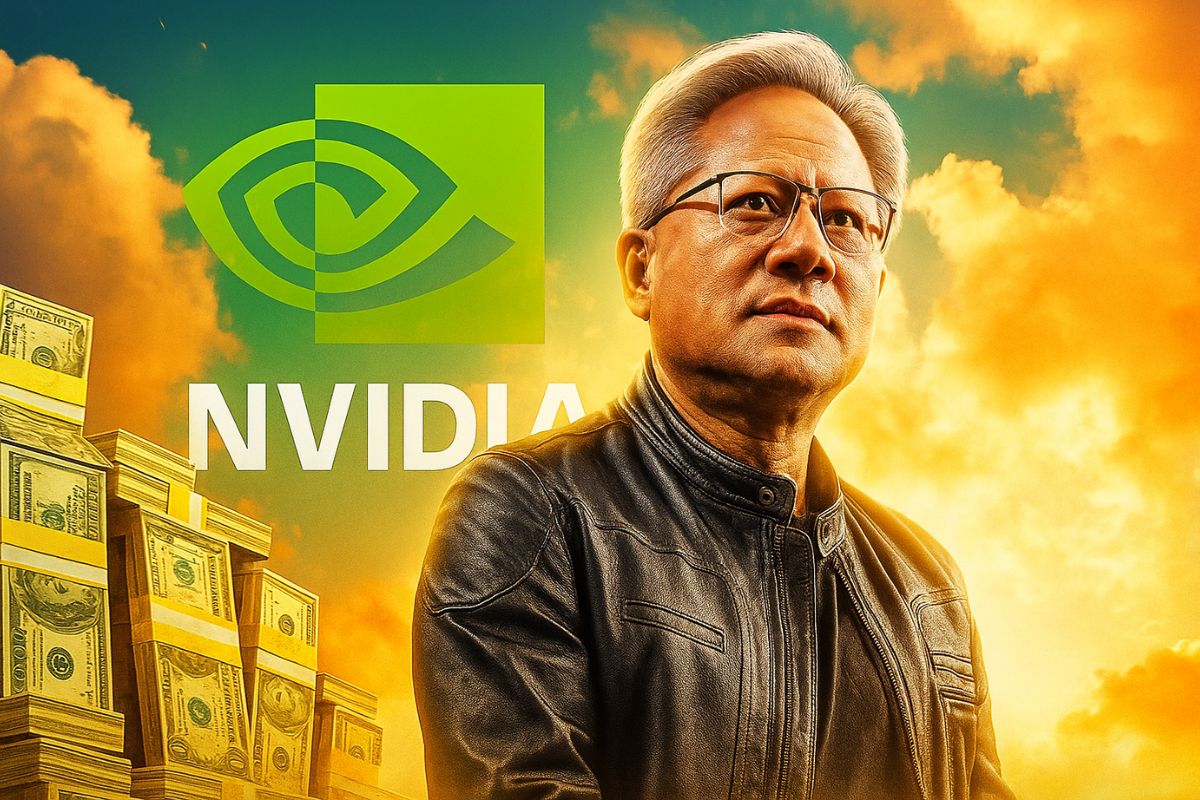

Overcoming Challenges And A Vision For The Future Transformed Jensen Huang Into The Name Behind The World’s Most Valuable Chip Maker
Nvidia became the first technology company in the world to surpass a market value of US$ 5 trillion, a direct result of the artificial intelligence revolution and the visionary leadership of Jensen Huang. At 62, the executive, who once worked as a dishwasher and waiter in his youth, is now the face of the most significant transformation in the semiconductor industry since the advent of personal computers.
According to the portal UOL, the journey of Jensen Huang is marked by resilience and an uncommon understanding of how technology shapes the future. He has insisted on keeping the most humble experiences on his resume, stating that they shaped his work ethic. “No task is beneath me,” he declared in a talk at Stanford, remembering the times he cleaned restrooms at a Kentucky boarding school and washed dishes at Denny’s.
From Childhood In Asia To His First Job In The United States

Born in Taiwan, Jensen Huang spent part of his childhood in Thailand, where his father worked as a chemical engineer and his mother taught English.
-
At 17, she hand-painted her first watercolor design for school uniforms; her brand grew without investors, sold 135,000 pieces, and aims for $3 million in revenue by 2026.

-
Shell Discovers Intact Early 19th-Century Wooden Shipwreck in the Gulf of Mexico at Over 1,300 Meters Deep
-
Brazilian Entrepreneur Turns Door-to-Door Jewelry Sales into a Family Business Empire with Over 70 Stores

-
$75 Million Bridge in Brazil Opens to Connect Cities, Create Jobs, and Cut Travel Time from 30 to 2 Minutes; Spanning 1.24 km, It’s Among the Country’s Largest and Ends Decades of Ferry Queues.




The political and economic instability in the country caused him and his brother to be sent to the United States as teenagers.
In rural Kentucky, Huang attended a boarding school where he had to learn to handle household chores and heavy routines.
At 15, he landed his first formal job as a dishwasher, a simple start that helped him develop emotional resilience and discipline, virtues that would later define his career as a business leader.
Academic Background And The First Steps In Technology
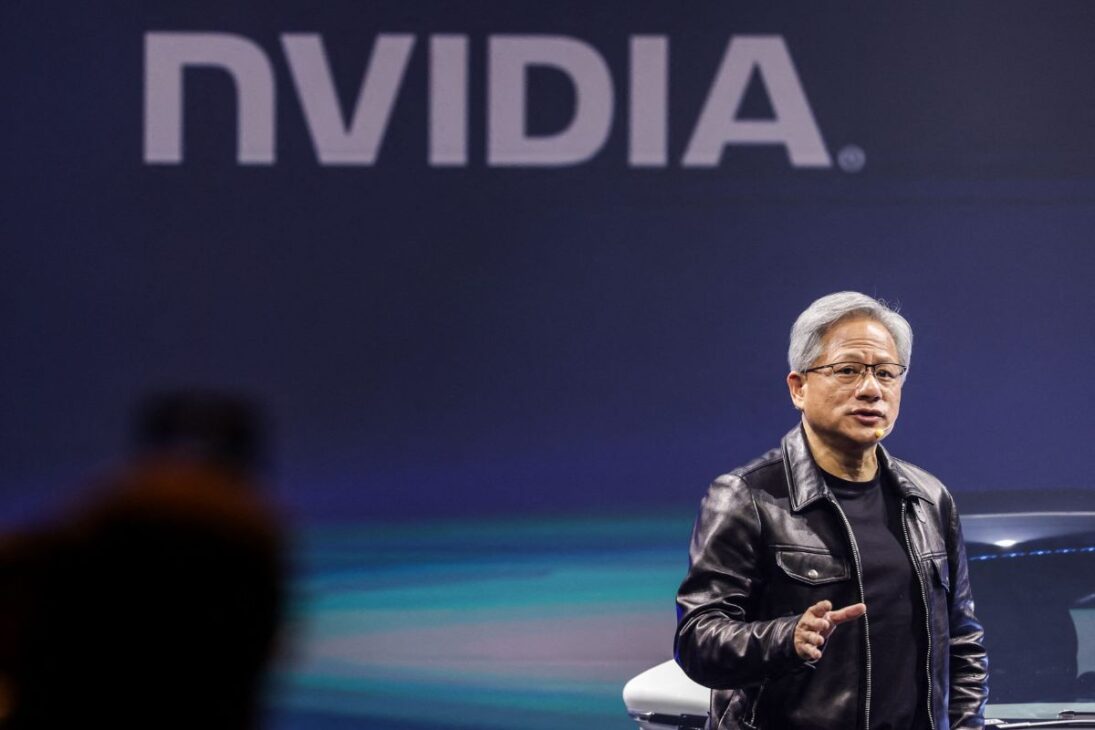
During college, Jensen Huang’s interest in computers grew rapidly. He graduated in electrical engineering and computer science from Oregon State University in 1984, at 20 years old, and later pursued a master’s degree in electrical engineering at Stanford University, attending night classes while working in the microchip design sector.
Before diving into technology, Huang was also a table tennis athlete, having won junior national titles in the United States.
This combination of quick thinking and strategic discipline would be reflected in his professional career, especially in his ability to anticipate movements in the technology market.
The Birth Of Nvidia And The Spirit Of Innovation
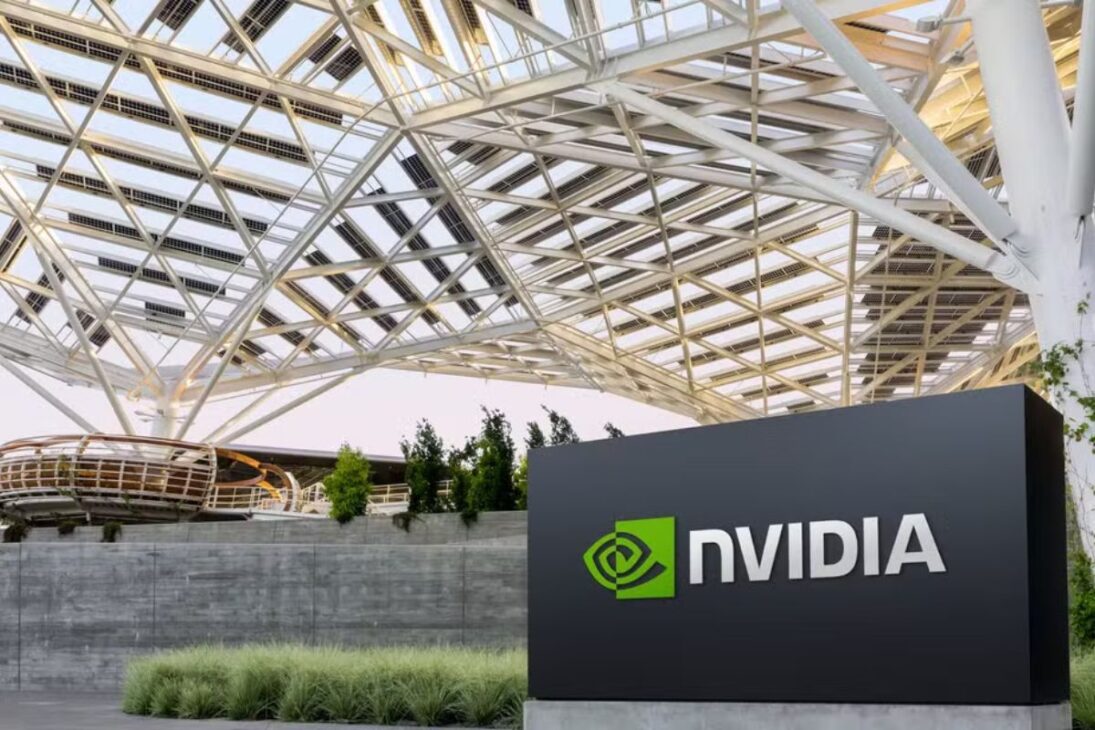
In 1993, dissatisfied with the pace of large semiconductor corporations, Jensen Huang teamed up with Chris Malachowsky and Curtis Priem to found a new company focused on manufacturing graphics chips for video games.
The first meetings took place in a Denny’s restaurant, the same place where Huang had worked years earlier.
Initially named “NVision”, the company was renamed Nvidia, derived from the Latin word invidia (“envy”), inspired by the goal of making competitors “green with envy.”
The concept reflected a clear ambition: to create chips capable of revolutionizing the graphical experience of personal computers and, in the long run, serve as a foundation for artificial intelligence and parallel computing applications.
From GPU To The Artificial Intelligence Empire
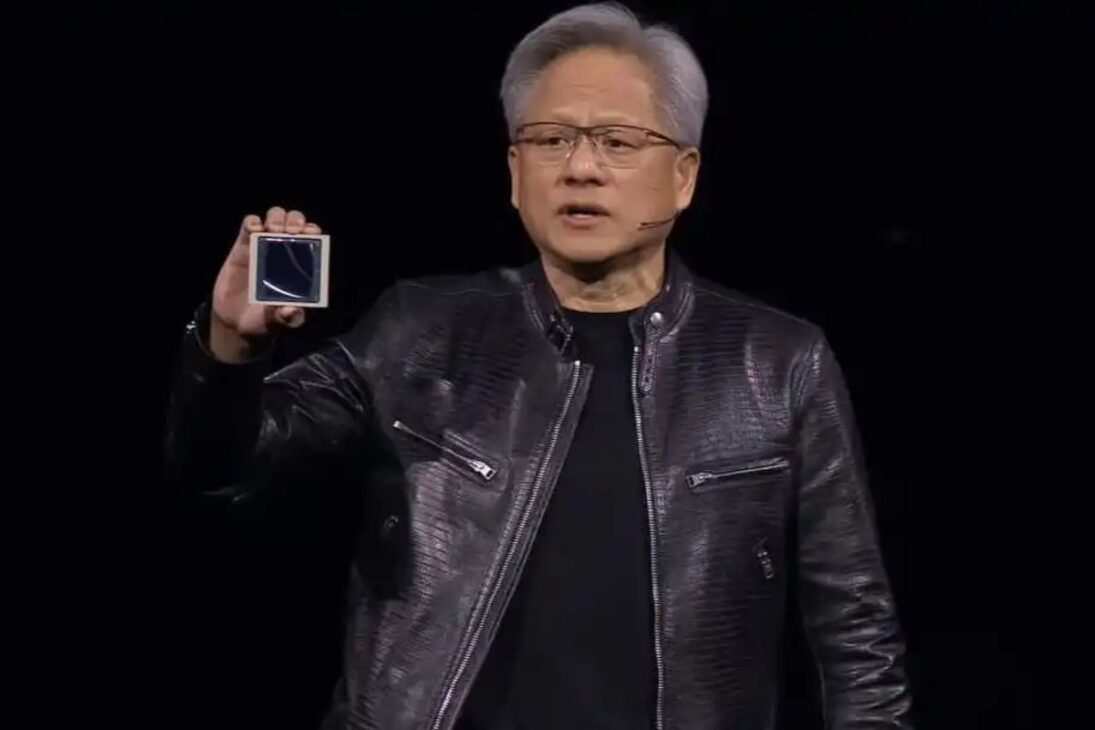
Jensen Huang’s bet on GPUs (Graphics Processing Units) transformed the global technological landscape.
What started as hardware for gaming evolved into one of the pillars of modern data processing. Nvidia’s GPUs are now used in research centers, supercomputers, and AI systems, paving the way for the company’s current dominance in the generative artificial intelligence sector.
Under Huang’s leadership, Nvidia not only created a product but also developed an infrastructure for the digital future. The company today develops chips, software, and complete platforms focused on robotics, autonomous vehicles, and deep learning models.
This ecosystem has propelled the company’s market value to the unprecedented figure of US$ 5 trillion, solidifying Huang as one of the most influential and strategic CEOs of the AI era.
Leadership Philosophy And Legacy
Unlike the classic executive profile, Jensen Huang is known for his hands-on and participatory leadership style. He frequently visits Nvidia’s labs and talks with engineers about project progress.
In lectures, he emphasizes the importance of learning from basic work, reinforcing that his humble origins were essential in building the vision that took him to the top.
His story demonstrates that innovation is not born solely from technical genius but from humility, persistence, and the courage to challenge the status quo.
For Huang, true leadership lies in inspiring teams to dream big and accepting failure as an inevitable part of the creative process.
The rise of Jensen Huang is a portrait of the modern technology era: a cycle that begins with individual effort and culminates in the creation of global ecosystems.
From dishwasher to trillionaire CEO, his journey combines personal determination with a business vision that has redefined the limits of what is possible.
Do you believe that Jensen Huang’s journey proves that talent and effort still surpass privilege? Share your opinion in the comments.