Portuguese
  Spanish


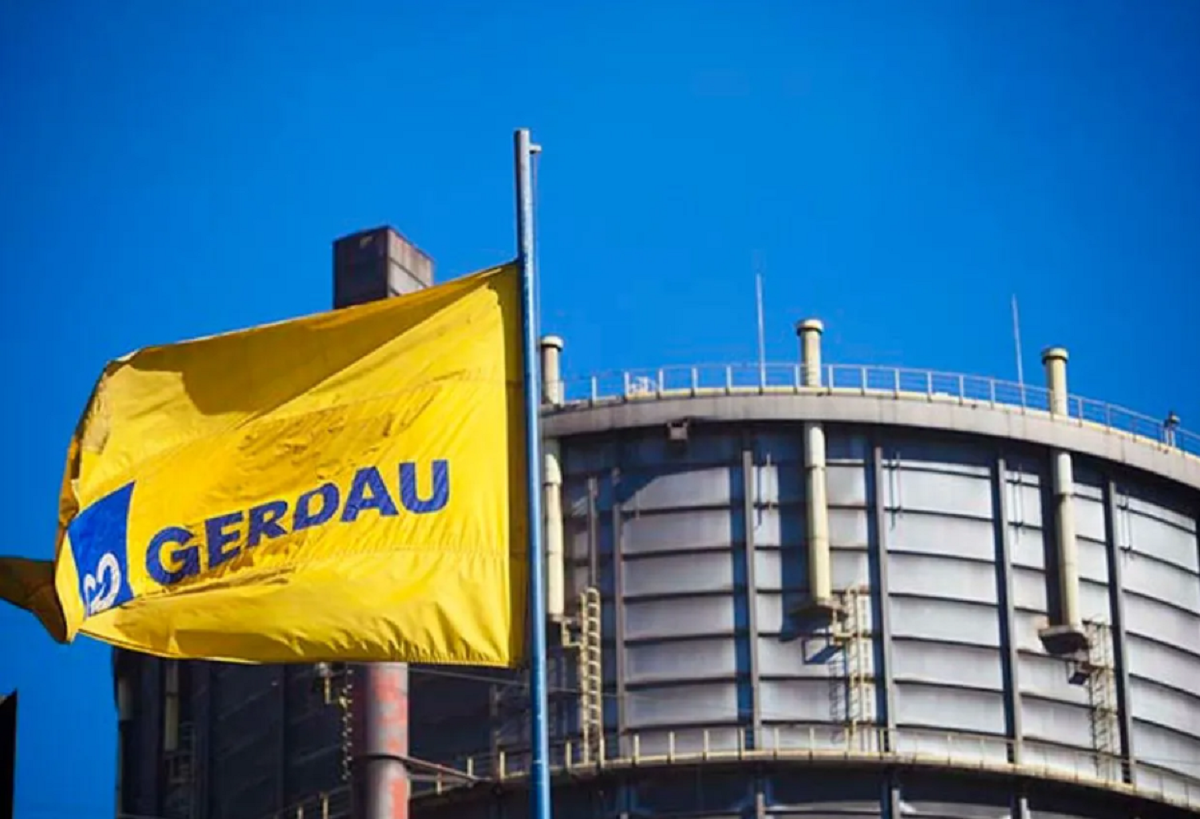

The Labor Court Suspended the Mass Dismissal of 400 Employees from Gerdau in Minas Gerais, Forcing the Company to Continue Paying Salaries and Benefits Until an Agreement with the Union. The Decision Aims to Protect Workers and Establish an Important Precedent for Labor Relations in Brazil.
The Labor Court Made a Historic Decision by suspending the mass dismissal of more than 400 Gerdau employees at the Barão de Cocais unit, located in central Minas Gerais.
The preliminary injunction states that the company must continue paying the wages and benefits of the workers until an agreement with the union is reached.
This decision, based on an opinion from the Labor Public Ministry (MPT), aims to protect employees’ rights and ensure union mediation.
-
Brazilian City Makes Remarkable Leap, Becomes 4th Wealthiest in the Country with GDP of R$ 134.1 Billion

-
Controversial 6-day Workweek Elimination in Brazil Faces Economic Criticism Over Productivity Claims

-
Itaú to Refund Customers After 14 Years of Unauthorized Credit Card Charges; Agreement Includes No Interest or Adjustments, Deadline by 2028, with Potential Impact of Up to $6.5 Billion

-
Brazilian Company Grows from Bartering Soap for Food to Producing 30 Million Units Monthly, Challenges Global Giants with $100 Million Revenue and Expands into Premium Cosmetics



Injunction Protects Workers’ Rights
The ruling, issued on Wednesday (10) and released on Thursday (11), was based on an opinion from the MPT, which also expressed support for the reinstatement of the dismissed employees.
According to the court, Gerdau must maintain all benefits, including health insurance, for employees laid off since May 27, 2024, even without providing services.
The company is prohibited from making further dismissals without just cause until the union intervenes. If it fails to comply with the obligations, Gerdau will be subject to a fine of R$ 5,000 per month for each irregular worker, which will be redirected to a fund to be defined later.
Context of the Court Decision
The illegality of the dismissals was established because Gerdau announced the shutdown of the steel mill and soon after began the mass dismissal of over 400 employees.
The court ruling came in a collective civil action filed by the Union of Workers in the Metallurgical, Steel, Mechanical, Electrical and Electronic Industries of Barão de Cocais, which received a favorable opinion from the MPT on the requests made.
In a statement, Gerdau claimed that the Federal Constitution safeguards economic freedom, rendering the union’s request for a ban on hibernation unviable.
According to the company, it is necessary to advance negotiations with the union to minimize the effects of hibernation on workers.
The company also assured that the injunction does not alter the state of hibernation but ensures the payment of funds until the negotiations conclude. Gerdau stated that it will follow all legal procedures and continue to seek dialogue with the union in various forums.
Impacts and Next Steps
The Labor Court’s decision is a milestone in the protection of workers’ rights, establishing that companies must negotiate with unions before making mass layoffs.
This measure seeks to ensure that workers are not left unsupported during restructuring processes or interruptions in business activities.
As reported by the MPT, the collective action is a response to the need to protect employees’ rights in a time of economic uncertainty.
Gerdau will have to engage in dialogue with the union to find a solution that benefits both parties, preventing losses to workers while the company faces economic challenges.
Updates and Future Perspectives
In the coming months, the situation between Gerdau and its employees is expected to remain under intense scrutiny. The continuation of salary and benefit payments is a temporary measure while negotiations advance.
Gerdau will need to demonstrate its willingness to reach a fair agreement that can be accepted by the union and benefit the workers.
The suspension of layoffs and the obligation to maintain benefits are significant steps to ensure the protection of workers’ rights in a crisis scenario and may also serve as a reference for other similar situations in Brazil, establishing an important precedent for labor relations in the country.
Will Gerdau be able to reach a fair agreement with the union and avoid future mass layoffs? Leave your opinion in the comments!