






 Portuguese
  Spanish


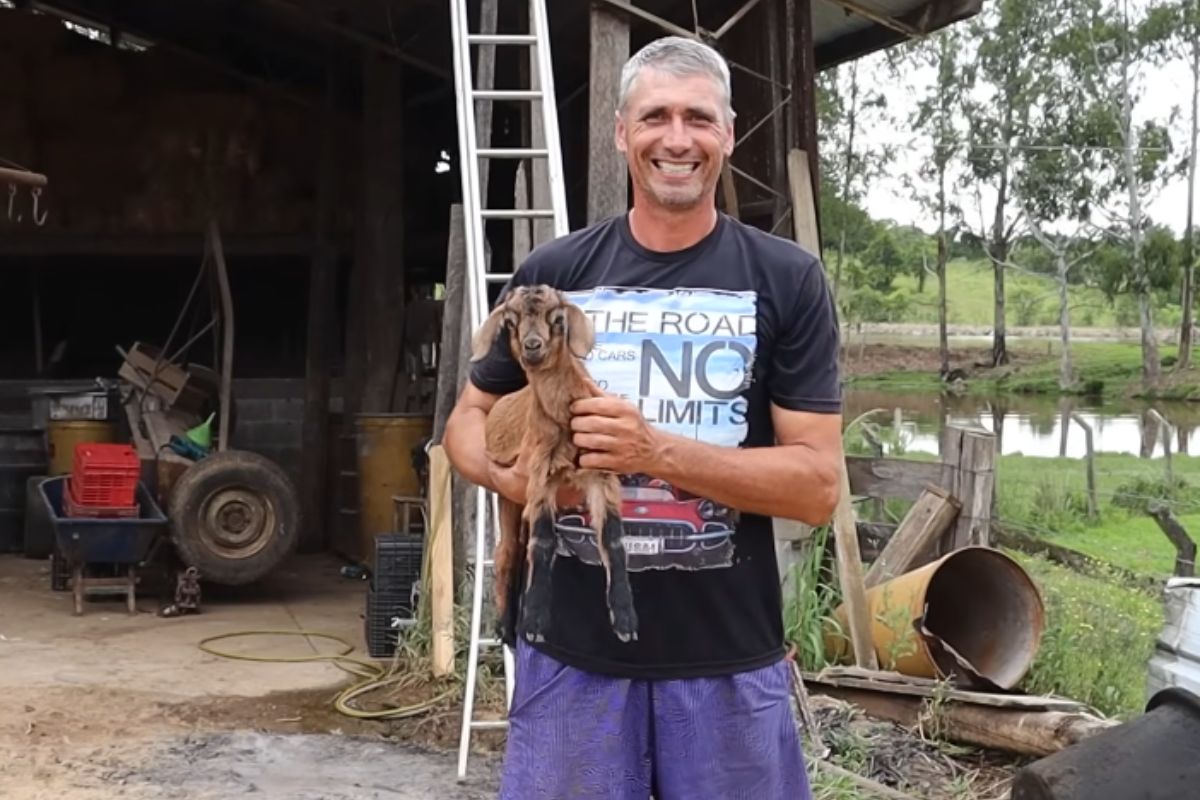
In Serra Gaúcha, in Farroupilha, Former Goalkeeper Luiz Müller Swapped Stadiums for Family Farming, Made Sweet Potato the Main Crop, and Transformed His Family’s Routine in the Field
In Serra Gaúcha, former professional goalkeeper Luiz Müller exchanged a life of travel, locker rooms, and crowded stadiums for a life in direct contact with the land. After playing for 18 clubs over 18 years of his career, he decided to end his football cycle, return to rural Farroupilha, and fully immerse himself in family farming, an activity that now guarantees income, quality of life, and daily presence with his family.
For 8 years now dedicated to family farming, Müller has built a solid and planned production. His main crop is sweet potato, which he began working with even before hanging up his gloves and which now yields about 120,000 kilograms per year, in addition to a diversified harvest of cabbage, broccoli, cauliflower, onions, corn, cattle for beef, and goats. For him, the return to his parents’ farming roots meant more than just a career change: it was the chance to align work, family, and identity with the land.
From Goal to Farm: The Return to Origins in Family Farming
Long before the final whistle, Luiz Müller had already been maturing the idea of returning home and living off family farming.
-
Low-Demand Brazilian Beef Offal Gains Popularity Abroad: Indonesia Purchases $19.5 Million, Boosting Revenue and Reducing Waste

-
Soy Expansion in Former Brazilian Savanna Sparks Water and Land Conflicts in Major Agricultural Frontier
-
Mexican Pest Threatens U.S. Cattle Herds at Historic Lows, Potentially Boosting Brazilian Beef Exports as Burger Prices Soar

-
Avocado Boom for European and U.S. Markets Fuels Water Crisis in Drought-Stricken Chilean Region




While still defending Brazil de Pelotas, around 2015 and 2016, he began to see his family’s property in Farroupilha as a certain destination for his retirement from the fields.
The son of farmers, Müller has always carried a connection to the land. As he puts it himself, “the root, the blood, comes from farming.”
The plan was clear: leave the instability of professional football, stay close to his wife, daughters, father, and mother, and continue the work his parents had done all their lives.
The difference was that this time he wanted to approach farming with strategy, study, and focus on crops with more market space.
Planning, Embrapa, and the Choice of Sweet Potato as the Main Crop

The shift to family farming was not impulsive. While still an athlete, Müller began researching which crops were thriving in Farroupilha and which could go “against the grain” of what was already being produced, to avoid competing for the same market space.
It was during this phase that a report from Embrapa in Pelotas caught his attention. Researchers were presenting new varieties of sweet potato, developed with a focus on productivity and quality.
Intrigued, he went to the unit, spoke with the team, and was advised to seek seedlings at Fubra in Santa Cruz.
In the first year, while still playing professionally, he planted sweet potatoes on his own property, with his father’s help. It worked out well.
The positive result solidified the decision: sweet potatoes became the main crop of the Miller family’s production in family farming, the foundation upon which he organized all the rest of the rural activity.
How Sweet Potato Routine Works in Miller’s Family Farming
In the fields, sweet potatoes follow a strict calendar. Planting begins in September, and the cycle varies between 115 and 130 days, depending on the weather in Serra Gaúcha.
The seedlings planted in early spring usually face colder nights, which makes the cycle a bit longer. Meanwhile, the last areas planted, around the end of the season, shorten the cycle, approaching 115 days.
The harvest generally begins at the end of January and can extend until August, following the staggered planting schedule.
During this period, the former goalkeeper reorganizes the use of the area, assesses the quality of the roots, and adjusts the delivery pace to avoid saturating the market. Seeing sweet potatoes fill boxes and leave the property with good acceptance is, in his words, one of the great joys of a producer.
Diversification: Cabbage, Broccoli, Cauliflower, Onions, Corn, Cattle, and Goats

Although sweet potato is the highlight, family farming on Müller’s property goes far beyond a single crop. He has built a diversified structure, which helps to mitigate climate, price, and market risks.
Cabbage, for example, is produced throughout the entire year, with plantings every 15 to 20 days, depending on weather conditions.
One bed may be forming heads, a few days away from harvest, while another, recently planted, is still at the beginning of its roughly 40-day cycle before commercialization.
Following the same logic, broccoli and cauliflower are included, which follow a continuous calendar, guaranteeing a constant supply for commercial partners.
Onions, on the other hand, are harvested at certain times of the year: they are picked, taken to the shed, where they are cut for stems and roots, bagged, and then sold gradually.
In addition to vegetables, the property also houses goats, beef cattle, corn, and other complementary crops, forming a typical mosaic of well-structured family farming.
This diversity keeps the property active all year long and helps to balance the finances when one crop does not meet expectations.
Partners, Rural Extension, and Networks that Strengthen Family Farming
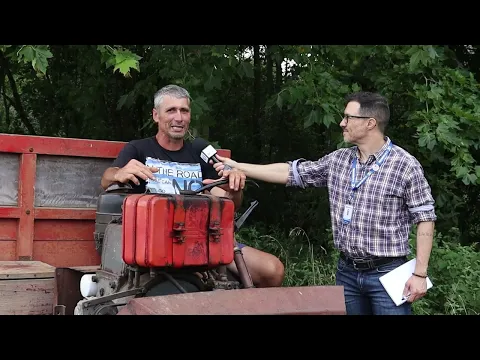

In this construction, Luiz Müller did not walk alone. He maintains partners who receive his goods, such as fruit vendors and basket programs, and counts on technical support from more experienced producers and agribusiness influencers who shared practical knowledge.
The rural extension work, conducted by professionals like the Emater/Ascar extension worker, plays an important supportive role: first observing and assessing the family’s reality, and then helping to adjust family farming to the real needs of the property, whether it be in management, choosing cultivars, staggered planting, or marketing strategies.
This support network, combined with field experience and personal study, has allowed the former goalkeeper to move from theory to working the land more securely, reducing typical mistakes made by those who are just starting.
From Football Instability to the Challenges of Family Farming
For Müller, professional football and family farming share more similarities than many might imagine. He compares both professions based on instability: on the field, the player knows the effort involved, but does not have control over outcomes, injuries, contracts, or external decisions.
In the fields, the logic is similar. The producer knows how much is invested in inputs, seeds, and management, but there is no guarantee about the price they will find in the market when the harvest arrives.
Everything depends on the weather, supply, demand, and external factors that are completely beyond the control of rural families.
Even so, he asserts with conviction that he is happier today. Being close to his wife, daughters, father, and mother is priceless, and seeing the crops develop on the property brings a different kind of satisfaction than being in stadiums.
Football continues on weekends, “in casual play,” but the center of his life is now the farm.
Between plantings, harvests, deliveries, and planning, he acknowledges that the “only bad thing about farming is that the work never ends.”
Still, he says he enjoys precisely that: the variety of tasks, the many crops, and the mind always active, thinking about the next step in family farming.
After learning about the story of former goalkeeper Luiz Müller, who traded 18 clubs for family farming and now harvests 120,000 kilograms of sweet potatoes each year, can you imagine leaving a stable career to start anew in the fields, or do you think you wouldn’t have the courage to make that shift?







-

-

-

-

-

13 people reacted to this.