Portuguese
  Spanish


UFMG research transforms dairy farming, sugarcane agroindustry, and olive growing waste into sustainable organic fertilizer, aiming to reduce greenhouse gases, improve soil quality, increase plant growth, and create a more environmentally safe alternative for the reuse of agro-industrial waste
An environmental impact research is underway at the Federal University of Minas Gerais (UFMG). The study aims to create organic fertilizers less harmful to the environment, using waste generated by agro-industrial sectors and targeting the reduction of greenhouse gases in the atmosphere.
The agricultural sector is among the main emitters of these gases, especially due to the release of nitrous oxide. This gas, as cited in the research, can be 300 times more harmful to the atmosphere compared to carbon dioxide.
Agro-industrial waste becomes sustainable fertilizer
The research is conducted by the soil and groundwater research group at UFMG. The developed fertilizers use waste from dairy farming, the sugarcane agroindustry, and olive growing, sectors that generate liquid and solid materials.
-
Producer receives news and had to cull almost the entire herd, bounced back with the help of compensation, and is now producing 450 liters of milk per day in SC.

-
Quail Eggs Reveal a “Secret Code” on Their Shells Explaining Unique Patterns and Colors

-
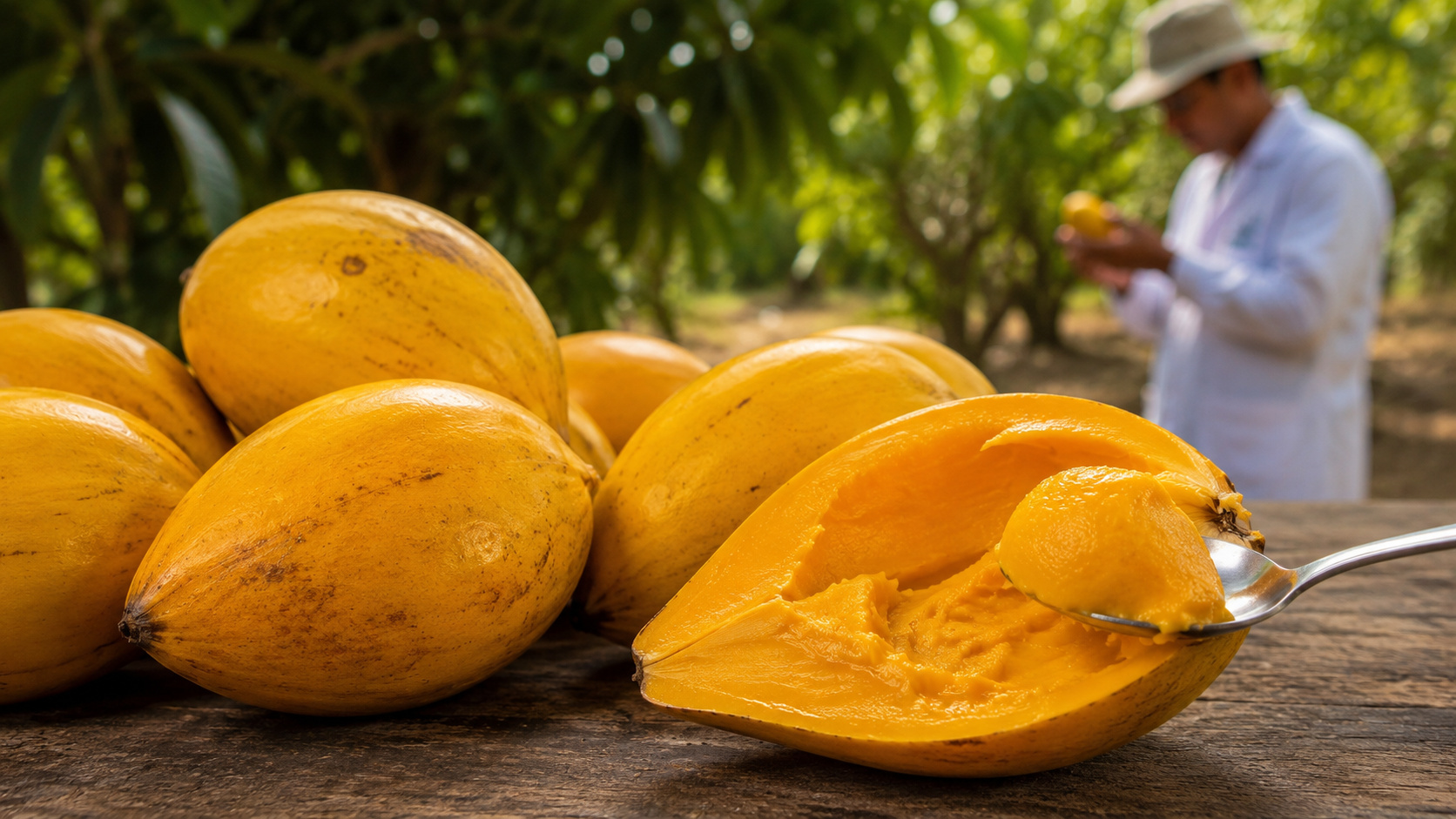
Rare Tropical Fruit Canistel, with Egg Yolk Color and Caramel Flavor, Gains Interest from Researchers and Small Producers in Brazil
-
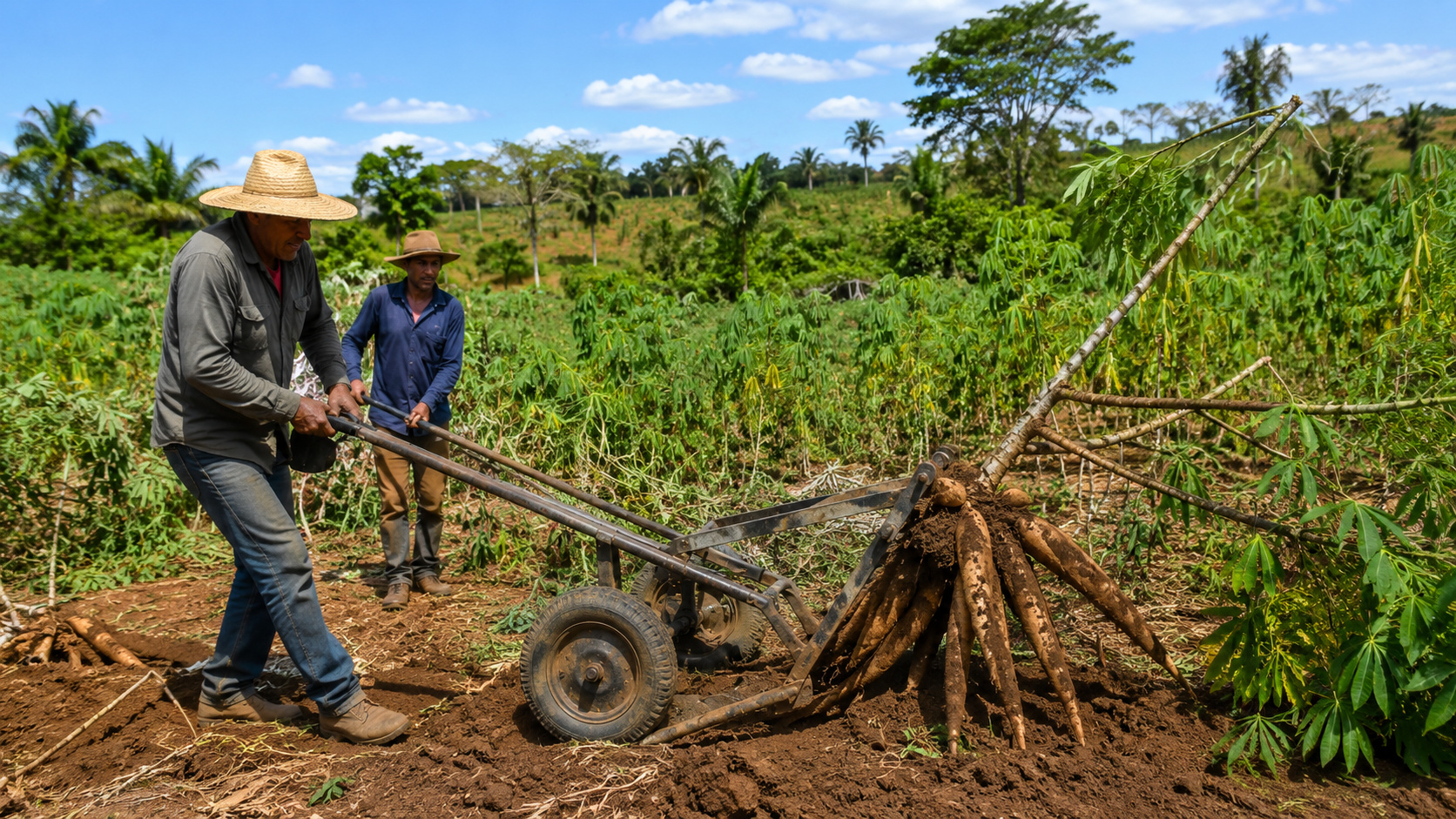
Brazilian Farmers Develop Wheeled Metal Lever to Ease Cassava Harvesting Without Heavy Machinery


According to Vitor Moreira, professor of the Department of Environmental Sanitary Engineering at UFMG, many of these wastes have a high nutrient content. Based on this characteristic, researchers began to study ways to transform these materials into fertilizers and avoid improper disposal.
Tests show improvement in soil and plants
The first tests have already shown positive results in different agricultural crops. According to Vitor Moreira, the synthesized materials were applied to lettuce, olive trees, and plants used in the production of animal feed for cattle.

During the experiments, researchers observed greater plant growth and higher soil moisture. The team also monitored the development of microorganisms present in the soil, aiming for an increasingly diverse microbiota.
Funding aims to bring research to farms
Researchers are seeking funding from companies and the Research Support Foundation of the State of Minas Gerais. With this support, the team intends to start a new phase of tests on farms and crops.
This stage will be important to evaluate the use of the fertilizer under broader agricultural conditions. After this evaluation period, the product could move to industrial-scale production, depending on the upcoming results.
Product could reach the market in 36 months
According to the schedule mentioned in the base text, this process could take about 36 months. During this period, the fertilizer will undergo evaluations before reaching commercial production.
If the tests progress as planned, the product could be manufactured on an industrial scale. Meanwhile, UFMG’s research reinforces an alternative to transform agro-industrial waste into sustainable organic fertilizer.
After all, can reusing agro-industrial waste help the field produce more with less environmental impact?