Portuguese
  Spanish


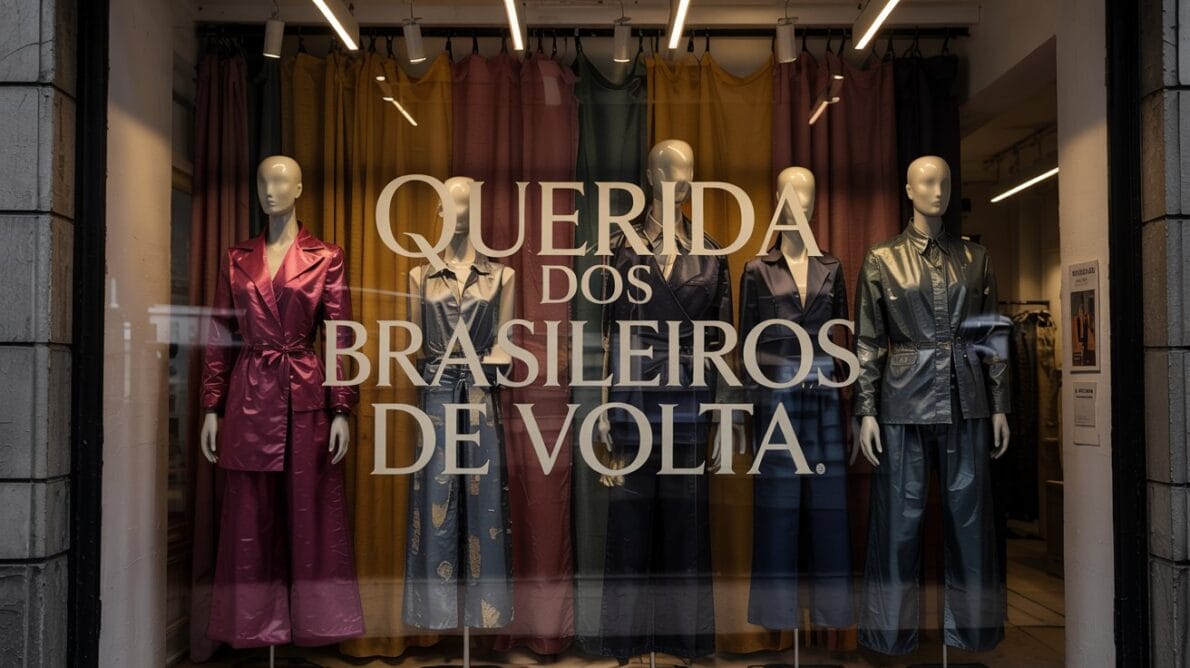

After Ten Years Away From Brazil, A European Fashion Brand Surprises By Returning With An Innovative Digital Strategy, An Exclusive Partnership, And A New Positioning. The Bet Is Bold And Promises To Shake Up The Brazilian Fashion Scene.
After a ten-year absence, the Spanish fashion brand Mango returns to Brazil with a strategy focused on the digital environment and an exclusive partnership with Dafiti, a reference e-commerce platform in Latin America.
The re-entry marks a new phase for the company, which seeks to win back Brazilian consumers with elegant and accessible collections, adapted to modern consumption habits.
Founded in 1984 in Barcelona, Mango has established itself as one of the most relevant names in European fashion, with a strong international presence and a style that combines elegance, practicality, and sophistication.
-
At 54, Brazilian Artisan Turns Textile Waste into a Successful Handbag Brand, Earning Over $6,000 Monthly

-
Brazilian Entrepreneur Sells $50,000 Monthly in Sustainable Luggage Made from Recycled Bottles, Eyes International Market
-
Brazil to Phase Out Gasoline Subsidy, Fuel Prices Set to Rise Amid National Debate

-
Brazil Aims to Boost Critical Mineral Production to 12.2% of Global Output, Targeting Battery and Tech Industries




In Brazil, the brand gained a loyal customer base who saw Mango’s pieces as a refined and contemporary alternative.
However, in 2013, the company ceased its operations in the country, impacted by a combination of economic and logistical challenges.
Premature Exit and Strategic Return
At the time of its exit, Mango faced high operational costs, a complex tax burden, and bureaucratic obstacles that hindered its operations in the Brazilian market.
The attempt to maintain a presence in the country through e-commerce also failed, especially because, at that time, online shopping was still not very popular among domestic consumers.
Ten years later, the landscape is completely different.
Brazil has experienced significant digital acceleration, driven by technological advancements, greater internet access, and changes in consumption habits.
Today, Brazilians are more connected, shop online frequently, and seek convenience when consuming fashion.
This transformation in consumer behavior was crucial for Mango’s decision to return to the country.
In 2024, the company announced its official return to the Brazilian market, this time with a leaner, digital approach tailored to the local reality.
The bet: an exclusive partnership with Dafiti, one of the largest online fashion retailers in Latin America.
Alliance With Dafiti and the Digital Focus
Dafiti, founded in 2011 in Jundiaí, São Paulo state, gained international recognition as a reference in fashion e-commerce.
Operating in several South American countries, such as Argentina, Chile, and Colombia, the platform represents renowned international brands such as GAP, Forever 21, and Ralph Lauren.
With Dafiti’s support, Mango aims for a more efficient and connected operation, leveraging its partner’s expertise in logistics, digital marketing, and fashion curation.
For Dafiti, Mango’s arrival also represents a significant boost to its portfolio, solidifying its image as a showcase for major international brands in Brazil.

Current Collection and Mango’s Proposal
Mango’s new collection is already available on the Dafiti website and was developed specifically for the Brazilian audience.
The pieces emphasize contemporary style with a European touch, including items such as minimalist blazers, elegant sweaters, versatile jeanswear, and sophisticated accessories.
The idea is to attract consumers who value style, comfort, and practicality in their daily lives, aligning with global fashion trends and local demand for functional pieces.
The clean design and choice of quality materials reinforce Mango’s proposal to offer fashion with good cost-benefit.
Despite the novelties, not everything is cause for celebration.
Some consumers have expressed dissatisfaction with the size range of the new collection, which goes only up to size GG.
This limitation excludes a significant portion of the population seeking inclusive fashion and representation.
The company, however, has indicated that it is studying the expansion of its size range according to public acceptance and brand performance in the country.
The inclusion of larger sizes is a growing demand in the fashion sector and can be decisive for Mango’s consolidation in this new phase.
Opportunity in a Booming Market
According to data from the Brazilian E-Commerce Association (ABComm), the online fashion sector in Brazil grew by more than 20% in 2024, driven by events like Consumer Day and Black Friday, along with the advancement of digital payment tools and artificial intelligence applied to retail.
Mango fits into this context at a promising moment.
With a 100% digital operation and the support of an established platform, the company avoids the costs of maintaining physical stores and can invest in targeted marketing, user experience, and social media campaigns.
Moreover, the Brazilian public is becoming increasingly demanding and conscious, valuing brands that adopt sustainable practices, diversity, and commitment to social causes.
Although still modest in this regard in Brazil, Mango has globally invested in sustainable initiatives, such as the use of recycled fabrics and reduction of its carbon footprint.
It is expected that these practices will also be incorporated into the national operation.

A New Phase For Mango, A Beloved Brand
Mango’s return to Brazil represents more than just a commercial comeback.
It is a reunion between an established brand and a transforming market, where consumption is more digital, conscious, and diverse.
With strategies aligned with the new demands of the public, the company seeks to regain its relevance and win over a new generation of Brazilian consumers.
Although the success of this endeavor depends on various factors — such as public receptivity, competition with other international brands, and the ability to adapt locally — Mango’s return reinforces the trend that fashion e-commerce will continue to grow in the coming years.
The partnership with Dafiti provides the brand with the necessary visibility and the ideal structure to consolidate this new phase.
If it can listen to consumers and adapt quickly, Mango has everything it needs to reclaim its space in Brazilian wardrobes.
And you, did you already know Mango or are you curious to try the new pieces available online? Tell us in the comments what you think about the brand’s return to Brazil!