






 Portuguese
  Spanish


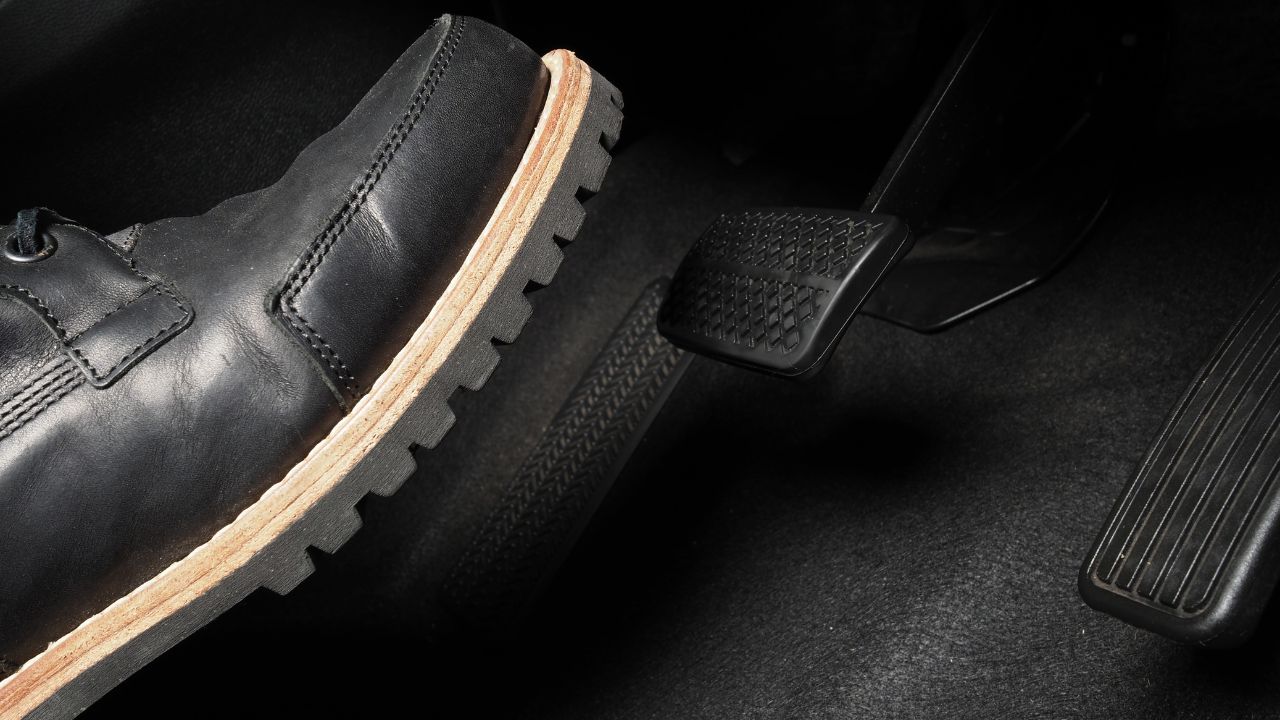

Keeping Your Foot on the Clutch Can Cause Serious Damage to the Car. Here’s Why This Habit Accelerates Wear and How to Preserve the System.
Resting your foot on the clutch while driving may seem harmless, but it can cause serious damage to the car. According to experts, the habit of keeping your foot on the pedal, even lightly, causes premature wear and compromises the transmission system. This common practice among Brazilian drivers can shorten the lifespan of important components and generate high maintenance costs.
The recommendation is clear: the clutch pedal should not be used as a footrest. This prevents unintentional activation of the system, resulting in constant friction, overheating, and wear of the disc.
The advice comes from mechanics and also from institutions like SAE International, which warns that bad habits can reduce the durability of the transmission by up to 40%.
-
Sales of Brazil’s Cheapest Electric Car Halted Before First Deliveries: E-Motors Suspends Emova Easy Due to Import Tax Increase and Rising Freight Costs

-
Nissan Discontinues Qashqai SUV Amid Cost-Cutting, Chinese Competition, and Product Line Review

-
BYD Patents Revolutionary System Using Computer Vision to Detect Animals Under Cars Before Starting, Preventing Tragedies

-
Study Reveals Why Cars Are More Expensive to Produce and Buy in Brazil Compared to Mexico, Highlighting Taxes, Logistics, and Industrial Costs as Key Factors.




How Does Keeping Your Foot on the Clutch Affect the Car’s System?
Continued pressure on the pedal creates what experts call “improper pre-load on the diaphragm.” This slight engagement, although imperceptible, causes friction between the clutch components.
Over time, this causes excessive wear of the disc, reduction in the thickness of the lining, abnormal heating, and failures in the bearing. In hydraulic systems, it can even cause leaks in the slave cylinder.
Foot on the Clutch on Hills
Another common mistake is holding the car on ramps using the clutch. Many drivers believe this is an advanced driving technique, but in fact, this habit further harms the system.
Prolonged friction raises the temperature of the diaphragm, which can crystallize the friction material. As a consequence, vibrations, loss of efficiency, and risks of mechanical failure arise.
In vehicles with automated transmissions, the problem worsens, as the electronic module compensates for the wear, accelerating deterioration.
Habits That Most Damage the Car’s Clutch
For those who wish to preserve the clutch system, it is essential to abandon certain harmful behaviors, such as:
- Resting your foot on the clutch unnecessarily.
- Using the pedal to hold the car on hills.
- Making sudden starts or allowing the engine to stall.
- Ignoring noises or vibrations when engaging the pedal.
According to the Mauá Institute of Technology, improper use of the clutch can even lead to cracks in transmission parts, compromising the vehicle’s safety.
How to Prolong the Clutch’s Lifespan?
Maintaining the clutch in good condition requires only attention and conscious driving. Avoid rushing gear changes, respect the friction point, and never use the pedal as a footrest.
Additionally, it is essential to perform preventive maintenance with trusted professionals. Check for play in the pedal, leaks, and the condition of the engine flywheel when replacing the clutch kit.
Forget About Resting Your Foot on the Clutch and Avoid Headaches
Resting your foot on the clutch is a dangerous habit that harms the car and can lead to considerable losses over time.
Besides avoiding unnecessary expenses, abandoning this practice helps ensure a safer and smoother driving experience.
If you have this habit, now you know why you should give it up. Your wallet — and your car — will thank you.


