






 Portuguese
  Spanish
  4 min of reading
  1 comment




In the Amazon, the Cachimbo Range Hides an Audacious and Controversial Nuclear Project. Brazil, with Germany’s Support, Almost Joined the Club of Nuclear Nations. Discover the Secrets and Challenges of This Story!
In the heart of the Amazon, the Cachimbo Range Hides one of Brazil’s most controversial secrets: an audacious nuclear project that aimed to place the country in the exclusive club of nuclear nations.
During José Sarney’s presidency, a technology exchange agreement with Germany promised to revolutionize Brazil’s nuclear program. This secret partnership not only generated controversies but also placed Brazil on a dangerous and controversial path.
The Search for Brazil’s Atomic Bomb: Secrets and Revelations
As published by the website Sociedade Militar, in the 80s, Brazil and Argentina publicly denied being in a nuclear race, but secretly collaborated.
-
American company drills a 1,830-meter hole in Kansas using oil well technology, places a nuclear reactor inside, and claims it will generate electricity without any cooling tower.

-
Canada invests more than 2 billion dollars to upgrade an old nuclear laboratory and try to rival the world’s major atomic energy powers.
-
Nuclear company backed by Bill Gates partners with Hyundai for next-generation 345 MW nuclear reactor

-
Russia is sailing all 8 nuclear icebreakers of its fleet simultaneously for the first time in history, as the Arctic freezes two weeks earlier than expected.


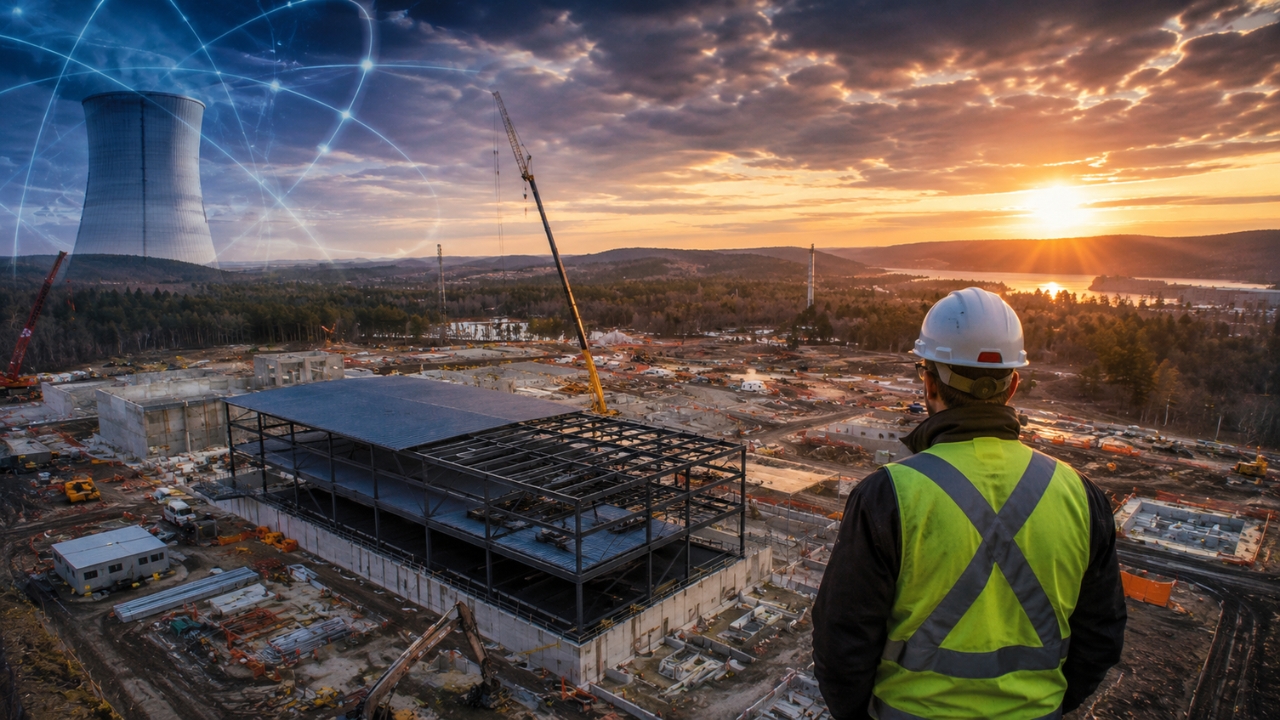


In 1986, Folha de São Paulo revealed the existence of cement-lined pits in the Cachimbo Range, destined for nuclear tests.
These pits, 320 meters deep, were part of a complex project inherited from the military. The surprise was great when Sarney revealed that the true purpose of the base was to test an atomic bomb.
The Brazilian Nuclear Program and Its Objectives
The Brazil-Germany nuclear agreement, signed in 1975 by President Ernesto Geisel, aimed to transfer nuclear technologies to Brazil, including the construction of eight nuclear reactors.
However, U.S. interference prevented the transfer of German technology for uranium enrichment, forcing Brazil to develop its own system.
Sarney described how he was informed by the National Security Council about the testing ground in the Cachimbo Range.
The region, considered safe after geological and hydrological studies, was chosen for nuclear tests. The site, operated by the Aerospace Technical Center, linked to the Ministry of Aeronautics, became a sensitive and controversial secret.
Impacts of the Revelation and Political Interference
The revelation of the nuclear program in the Cachimbo Range significantly disrupted the government’s plans. In 1988, the Senate requested a commission to investigate the base, but the request was blocked.
According to experts, Brazil’s nuclear development faced various political and external obstacles, culminating in the program’s end during Fernando Collor de Mello’s term.
Collor visited the Cachimbo Range, inspected the base’s closure, and symbolically threw a shovel of lime over the explosion pit, marking the end of the nuclear project.
The Challenges of the Brazil-Germany Partnership
The Brazil-Germany nuclear treaty aimed to build eight nuclear reactors in Brazil, but of the eight planned reactors, only two have been completed to date, both in Angra dos Reis.
According to experts, the construction of a third was halted, and the Cachimbo Range, initially designated for nuclear tests, began to be considered for the storage of atomic waste produced in Angra.


The Role of the Military in the Nuclear Project
The Brazilian nuclear program, inherited from the military, began to be unveiled when the existence of cement-lined pits in the Cachimbo Range was disclosed.
From that point, Folha de São Paulo revealed that the site served as a testing ground for nuclear tests, causing significant national and international uproar and concern.
The complexity of the project and its secretive nature indicate that Brazil was determined to become a nuclear power, even facing external pressures.
Cooperation with Germany was crucial, but U.S. intervention created significant obstacles for the development of the program.
The Crisis of Confidence and the End of the Project
With the revelation of the nuclear program, confidence in Sarney’s administration and the intentions of the Brazilian government was shaken.
Political pressure increased, culminating in the Senate’s request to investigate the Cachimbo Range. However, this investigation was blocked, leaving many questions unanswered.
During Collor’s administration, the nuclear program faced its definitive end. Collor’s visit to the Cachimbo Range symbolically marked the closure of the project, with the president supervising the closure of the explosion pits and the end of nuclear operations.
The Persistence of the Nuclear Legacy
Even after the official closure of the project, the Cachimbo Range remains a symbol of Brazil’s nuclear ambition. The site represents not only the country’s attempt to join the club of nuclear nations but also the political and technological challenges faced along the way.
The history of the Brazilian nuclear program reflects the complex international relations and aspirations of a developing country. The legacy of this period still echoes in politics and decisions regarding the use of nuclear energy in Brazil.
The Importance of Historical Memory
The memory of the nuclear program in the Cachimbo Range is a lasting reminder of Brazil’s efforts to position itself on the global stage. The decisions made during this period still influence the country’s nuclear policy and international relations.
The Cachimbo Range remains a symbol of Brazil’s nuclear past. The challenges and controversies faced show the country’s determination to achieve nuclear technology, despite the obstacles. The history continues to be studied and discussed, reflecting the importance of the Brazilian nuclear program.
And what do you think of this hidden chapter of Brazilian history? Do you believe Brazil should resume its efforts to become a nuclear power? Leave your opinion in the comments!



Eu imagino o Brasil tendo um dúzia de bombas nucleares, hoje seríamos respeitados,mas esses políticos brasileiros sempre foram guaipecas