Portuguese
  Spanish


Brazilian Researchers Discover 85 Million-Year-Old Crab Fossil in Antarctica, Revealing Ancient Tropical Climate and Expanding Knowledge of Cretaceous Marine Species
A discovery in Antarctica made by Brazilian researchers revealed a crab fossil approximately 85 million years old. This finding is considered unprecedented, as it demonstrates that the continent, currently frozen and inhospitable, once had climatic conditions similar to tropical regions during the Cretaceous period.
In addition to expanding knowledge about marine paleontology, the fossil provides important clues about the evolution of species, their geographic distribution, and the ancient climate of the region. Conducted during the 41st Brazilian Antarctic Operation, the study is a landmark for both national and international science, highlighting Brazil’s potential in scientific research in extreme environments.
This discovery not only adds information about ancient crustaceans but also reinforces the relevance of Brazilian expeditions in Antarctica, which have been contributing to global studies of geology, biology, and climate change over the years.
-
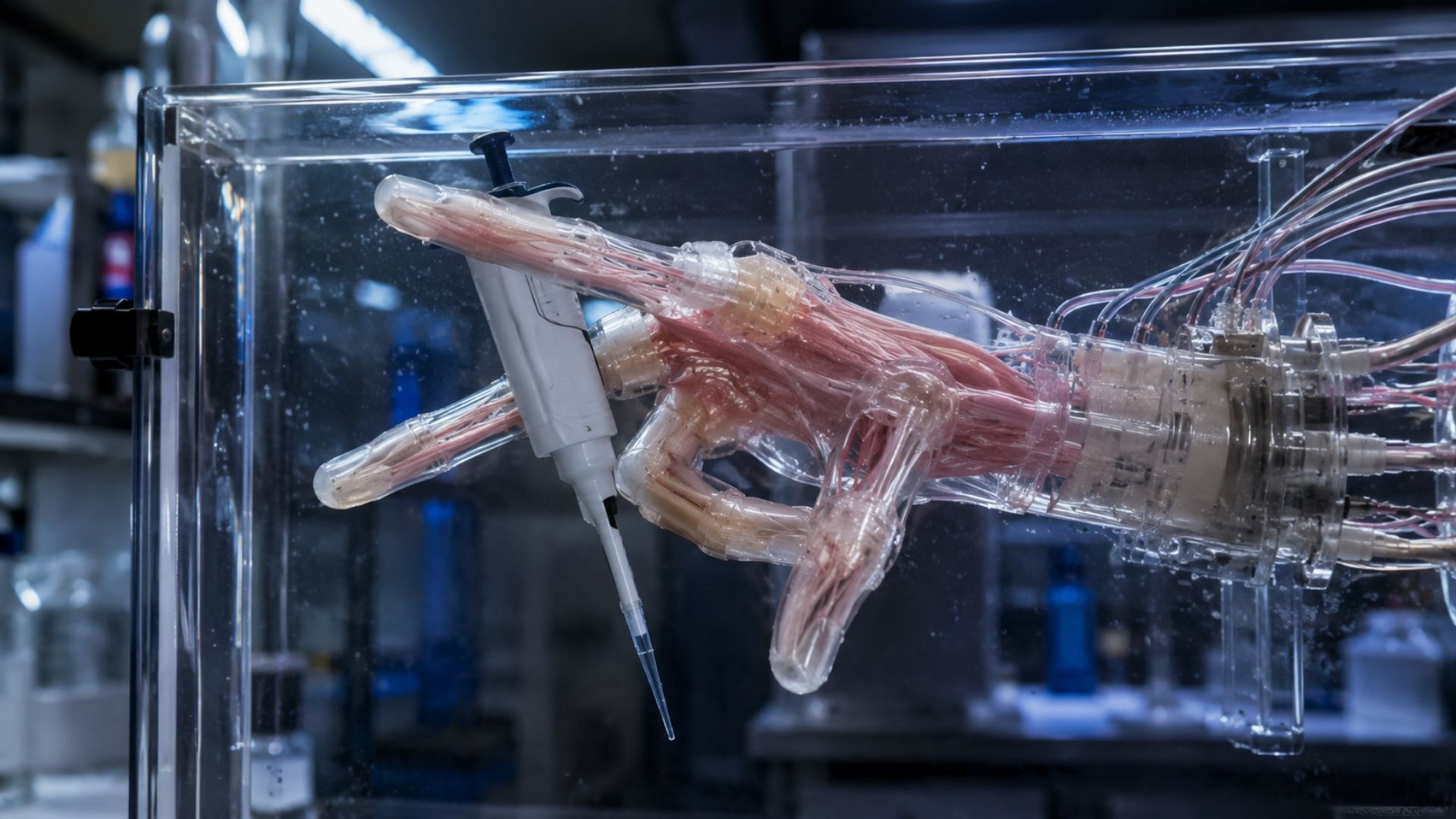
Tokyo Scientists Create First 18cm Biohybrid Hand Using Human Muscle, Capable of Scissor Gesture and Holding a Pipette

-
Brazil Faces Norway in World Cup at Stadium Linked to Jimmy Hoffa’s Mysterious Disappearance

-
Retired Woman Leaves French Public Housing Due to Fear, Lives in Van for Weeks, Prompting Response from Local Authorities and a Priest
-
9-Year-Old Fabio Isaac Wins Gold at Copernicus Math Olympiad in Singapore, Representing Peru Against Global Young Talents



The Discovery of the Crab Fossil in the Antarctica
Brazilian Scientific Expedition in Extreme Conditions
The discovery of the crab fossil occurred during a 32-day expedition on James Ross Island, located in the Antarctic Peninsula. The Brazilian team faced strong winds, extremely low temperatures, and terrain covered by ice and snow.
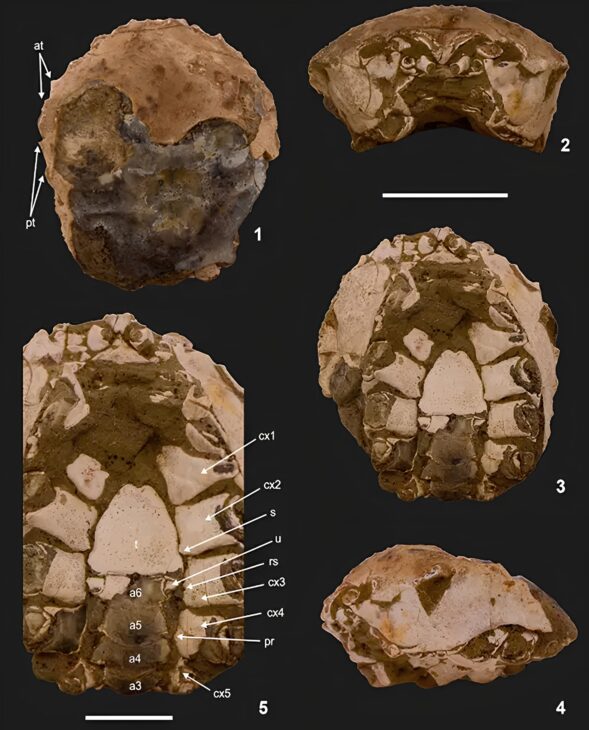
Despite the adverse conditions, the researchers were able to locate a rare specimen belonging to the Dynomenidae group, a group of crabs considered relics, with few living representatives today.
The finding is particularly remarkable for its detailed preservation, including rare parts such as the abdomen and hind legs. These elements allow for in-depth analyses of the animal’s anatomy, providing unprecedented data on its morphology and habits.
The operation demonstrated Brazil’s logistical and scientific capability to conduct complex research in remote regions, reinforcing the importance of maintaining and increasing investments in science and technology.
Fossils That Tell the Story of Marine Life
The preserved fossil provides valuable information about the diversity of marine species that existed during the Cretaceous. The presence of crabs in areas now polar indicates that Antarctica once had warm seas and supported complex ecosystems similar to those of modern tropical regions.
The study of this crab fossil aids in understanding how crustaceans evolved, migrated, and adapted to climate changes over millions of years. Additionally, it provides information about the interaction between species and how marine ecosystems were structured under higher temperature conditions.
Scientific Importance of the Discovery in Antarctica
Evidence of Tropical Climate 85 Million Years Ago
The fossil indicates that during the Cretaceous, Antarctica had a warm and humid climate, with abundant vegetation and rich aquatic ecosystems. This information is crucial for paleoclimatologists, as it shows that profound geological and climatic changes transformed the continent, shaping the current patterns of life.
Moreover, the discovery in Antarctica allows for the reconstruction of the history of ancient seas and helps understand how ocean currents and tectonic changes influenced the distribution of marine species.
Reconstructing Ancient Ecosystems
The analysis of the crab fossil, along with other fossil finds in the region, allows for detailed models of ancient ecosystems. These models help identify relationships between species and better understand the processes of evolution, adaptation, and extinction in environments that experienced intense climate changes.
Anatomical Details of the Crab Fossil
The crab fossil found exhibits characteristics rarely preserved in fossil records:
- Intact carapace, revealing external structure and protective details
- Complete abdomen, providing information about internal organs and musculature
- Preserved hind legs, allowing for inferences about behavior and locomotion
The complete preservation is exceptional, as normally only the carapace is found. These details allow for an accurate reconstruction of the animal’s morphology and feeding habits, as well as providing a solid foundation for comparative studies with current species.
Discovery of Crab Fossil and Its Implications for Paleontology
New Insights on Ancient Marine Species
The discovery of the crab fossil significantly expands the knowledge of marine biodiversity during the Cretaceous. It indicates that crustacean diversity was greater than previously thought and that species typical of tropical regions could thrive in areas now polar.
Additionally, the detailed preservation helps identify anatomical features that may explain how crabs adapted to environmental conditions, offering insights into the evolution and survival of these species over millions of years.
Comparison with Other Global Fossils
Although crab fossils have been found in various regions of the world, few exhibit preservation as detailed as that found in Antarctica. The presence of the abdomen and hind legs provides unprecedented information, allowing precise reconstructions of the anatomy and lifestyle of these ancient crustaceans.
Researchers use these comparisons to map the evolution of crabs and their adaptation to different ecosystems, reinforcing the importance of each find in the global context of paleontology.
The Relevance of Brazilian Science in Antarctica
The scientific operation that led to the finding reinforces Brazil’s role in research in extreme regions. Multidisciplinary teams were able to conduct complex fieldwork, demonstrating a high level of logistical and technological planning.
In addition, the discovery in Antarctica highlights Brazil in international paleontology, showing that Brazilian researchers are at the forefront of marine science and earth sciences. The experience gained in expeditions like this is essential for strengthening future research and expanding knowledge about the frozen continent.
Implications for Climatic and Environmental Studies
The study of the crab fossil not only reveals Antarctica’s past but also provides valuable information for climate science. Knowing that the region was once tropical helps build more accurate paleoclimatology models and may guide predictions about future environmental changes.
These discoveries reinforce the importance of environmental preservation and help understand how profound climate changes impacted global biodiversity over millions of years. Furthermore, they offer insights to understand the effects of global warming on current marine ecosystems.
The Legacy of the Discovery for Science and Education
The discovery in Antarctica represents a scientific milestone that goes beyond paleontology. It connects the past and present, offering insights into evolution, adaptation, and climate change. The 85 million-year-old fossil serves as a bridge between science, education, and environmental awareness.
Studies like this also encourage future generations of researchers to explore and preserve extreme environments. The international visibility of the finding strengthens Brazil’s image in the global scientific community and highlights the importance of well-structured scientific research to understand the planet’s history.
Moreover, the discovery contributes to scientific communication, helping the public understand the relevance of fossils in reconstructing Earth’s history and inspiring new research in paleontology, marine biology, and climate studies.