





 Portuguese
  English
  Spanish
  6 min of reading
  0 comments


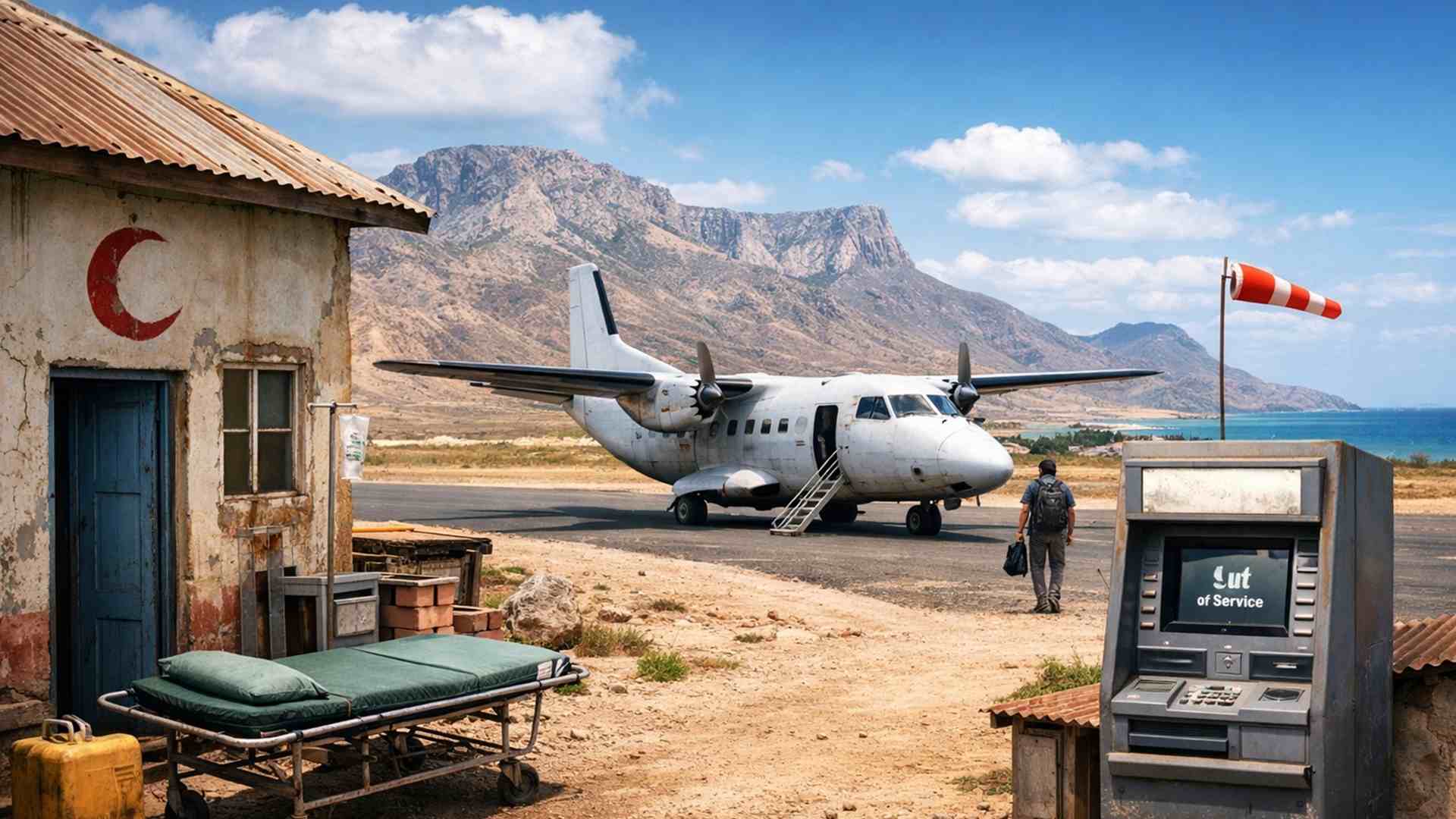
Located in the Indian Ocean and administered by Yemen, Socotra earned the label of the most dangerous island in the world not due to violence, but because of extreme isolation, the few weekly flights, the absence of banks and the minimal infrastructure, factors that increase logistical risks for residents and visitors
YouTuber Drew Binsky spent about 100 hours on Socotra Island, a territory of Yemen described as the most dangerous island in the world, documenting logistical isolation, minimal infrastructure, unique biodiversity, and the recent growth of tourism in a regional context marked by armed conflict.
Why Socotra Is Called The Most Dangerous Island In The World
The classification of Socotra as the most dangerous island in the world presented in the video is not based on crime rates, but on structural factors.
The island operates with a limited number of weekly flights, no ATMs, total dependence on cash, and only one hospital with limited capacity.
-
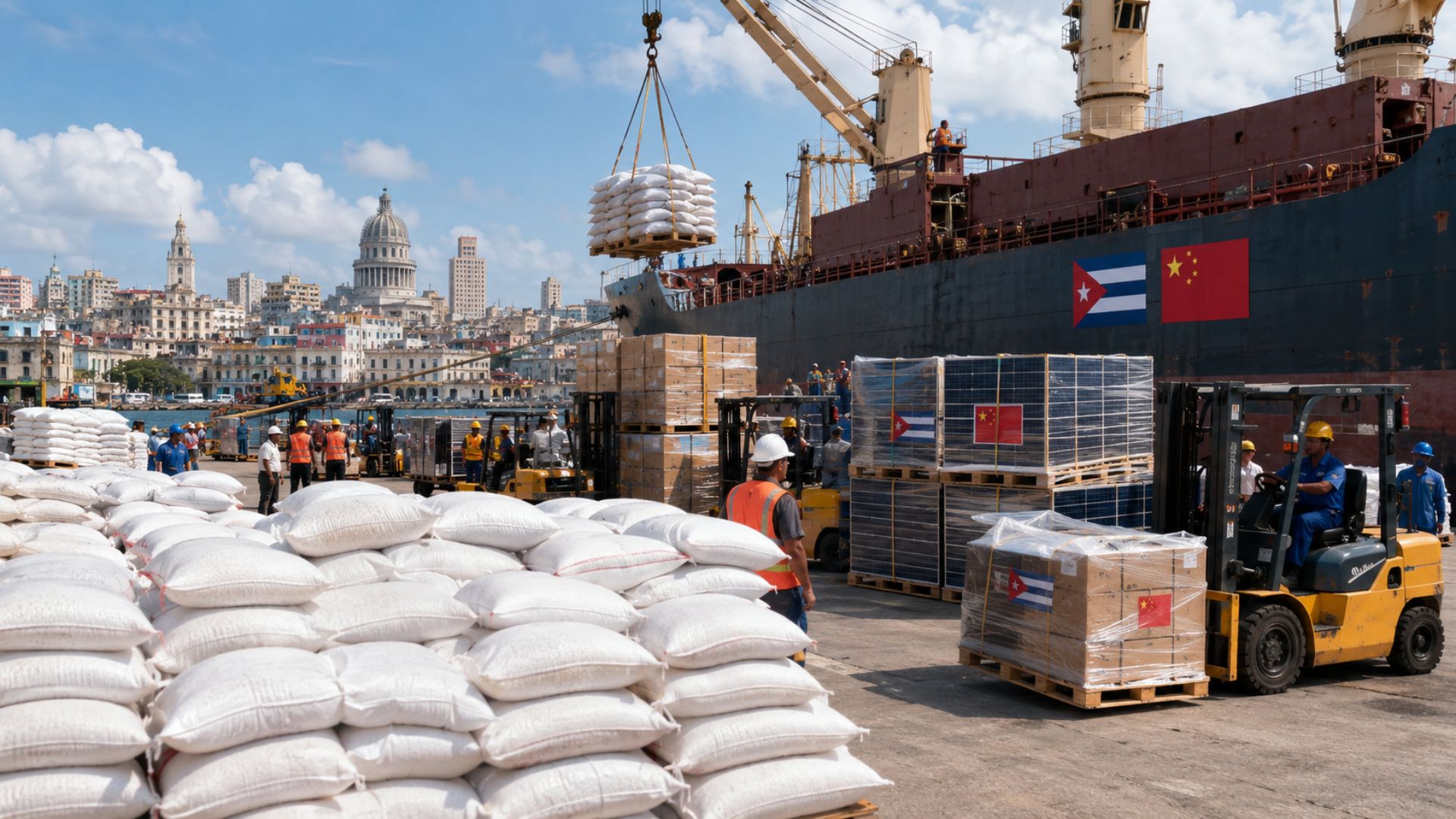
Amid the United States’ economic blockade, China delivers 15,000 tons of rice to Cuba as part of a 60,000-ton donation personally approved by Xi Jinping. The package includes 80 million dollars and solar panels for hospitals.

-
For around 200 reais, anyone can buy a kit and have a chip implanted between their fingers to replace cards, keys, badges, and even medical information in case of a hospital emergency.
-
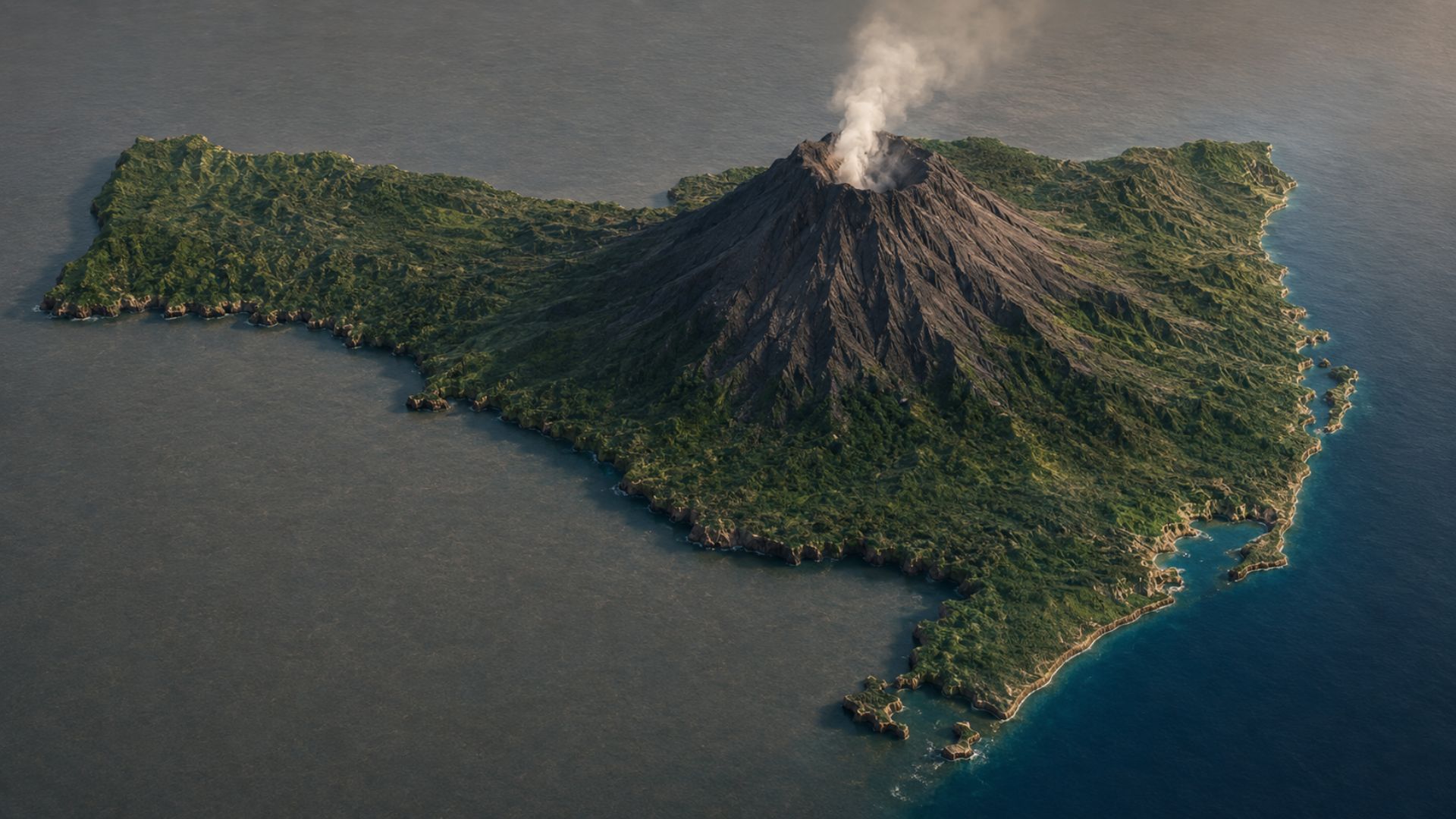
A 600-meter hill in the interior of Santa Catarina hides a volcanic past of almost 600 million years. The Morro do Garrafão in Corupá may have been an ancient extinct volcano, and science now confirms what the residents have always suspected.
-
Family has lived for over 50 years without electricity and running water at home in the South of Minas, 10 minutes from the city, improvising light, bath, and water while facing a lack of basic resources and awaiting property regularization.



The central risk is logistical. In the event of a serious medical emergency, supply failures, or extreme weather events, residents and visitors face severe response limitations. The location, between the Gulf of Aden and the Arabian Sea, amplifies isolation and reduces rapid evacuation alternatives.
The administrative condition of Socotra as part of Yemen reinforces the perception of international risk internationally. The country is experiencing a prolonged civil war, widely reported, affecting routes, insurance, air transport, and diplomatic support, even as the island remains outside direct conflict.

Arrival in Hadibo Exposes Precarious Infrastructure and Intense Community Life
Entering Hadibo, the main city of the island, reveals unfinished buildings, degraded streets, accumulated trash, and a constant flow of goats. The urban scenery contrasts with the natural image that made Socotra famous on social media and international reports.
Residents explain that the trash problem is linked to the interruption of basic services and the lack of payment for the workers responsible for collection. The visual impact is immediate, especially for visitors arriving after crossing practically untouched landscapes.
At the same time, Hadibo hosts markets, small bakeries, simple restaurants, and the largest human flow on the island. Social life takes place in open spaces, alleys, and commerce points, where the presence of a foreigner is quickly noticed.
Hospitality appears as a dominant trait. Drew records spontaneous invitations, improvised rides, and direct interactions with residents, in a dynamic typical of small communities, where relationships are based on proximity and mutual recognition.
Fish Market and Ocean-Based Economy
The fish market in Hadibo emerges as one of the most active environments in the city. The abundance of fish reflects the productivity of the marine surroundings of Socotra, primarily exploited by artisanal fishing, the basis of local food and income.
Fish are sold at low prices, handled directly on simple counters, in a noisy and informal environment. The place synthesizes the island’s dependence on the ocean as its main source of protein and economic subsistence.
This relationship with the sea also appears in everyday diet, commerce, and the organization of time. Fishing defines schedules, family routines, and movements, reinforcing a minimally monetized economy strongly linked to immediate natural resources.
Contrast Between The Most Dangerous Island In The World and Continental Yemen
During the journey, Drew makes direct comparisons between Socotra and continental Yemen, where he had previously traveled. He describes armed checkpoints, destroyed cities, and a constant climate of tension experienced on the mainland.
In Socotra, the contrast is evident. Residents claim that crimes are rare, forgotten items are usually returned, and violence is virtually nonexistent in daily life. The local perception is of social security, despite structural vulnerability.
This contrast supports the ambiguity of the label the most dangerous island in the world. The danger is not in direct human interaction but in the combination of isolation, scarcity of services, and dependence on a country in deep crisis.
Diksam Plateau and The Dragon Blood Trees
Outside the urban axis, the landscape changes radically. The journey to the Diksam plateau exposes precarious roads, with extremely low speeds and difficult access, reinforcing the feeling of internal isolation on the island.
The region houses the dragon blood trees, a symbol of Socotra. With slow growth, these trees can take decades to reach a few meters and hundreds of years to form broad canopies, historically used for the extraction of medicinal resin.
Local guides report significant losses during intense cyclones that occurred in 2015, when strong winds knocked down old trees. The episode remains vivid in collective memory as a mark of environmental vulnerability.
The ecological importance of these formations was one of the factors for the international recognition of the archipelago as a World Natural Heritage site in 2008, due to the high degree of plant and animal endemism.
Recent Tourism Driven By Social Networks
According to interviewed residents, Socotra remained practically unknown outside scientific and regional circles until a few years ago. The popularization of images on social networks rapidly changed this scenario.
Local guides report a steady increase in the number of visitors, mainly interested in nature, unusual landscapes, and experiences considered authentic. Tourism generates direct income for drivers, guides, fishermen, and families.
So far, reported impacts are largely economically positive. However, the absence of robust regulation and adequate infrastructure raises concerns about environmental pressure and cultural disfigurement in the medium term.
The condition of the most dangerous island in the world also serves as a narrative attraction element, fueling the curiosity of travelers seeking destinations considered extreme.
Qalansiyah And Life Outside The Modern Financial System
The journey continues to Qalansiyah, considered the second largest city on the island, with an estimated population of around 8,000 people. The local pace is even slower than in Hadibo, with empty streets for much of the day.
Commerce operates exclusively in cash. There are no credit cards, electronic terminals, or operational banks. Fuel supply occurs in simple locations, reinforcing the economy based on direct transactions.
Goods arrive by boat or sporadic flights from the mainland. Technological products depend on personal contacts and informal transport, highlighting the fragility of local supply chains.
Connectivity exists, but it is unstable. Mobile telephony works irregularly, and internet access is limited, affecting services, communication, and emergencies.
Consumption of Khat and Local Social Codes
In Qalansiyah, Drew observes the consumption of khat, a stimulating plant common in Yemen and the Horn of Africa. Use is described as widespread but surrounded by social restrictions within the community itself.
Residents explain that consumption can hinder marriages and generate stigma, leading some users to hide the habit. The transportation of the plant occurs discreetly, despite the tacit knowledge of local authorities.
The account illustrates how cultural practices coexist with strict community norms, in a small society where reputation and family relationships carry decisive weight.
The Cave Man and Extreme Subsistence
One of the central episodes of the journey is the encounter with a resident who lived much of his life in a cave by the sea. Without electricity or running water, he survived for decades through fishing and the use of local plants.
The man reports that his family occupied caves for generations and that only severe weather events, such as cyclones, forced temporary displacements. Objects found in the grotto indicate ancient human occupations.
Daily fishing, done with simple nets and improvised rafts, ensures immediate food. Medicinal plants are used to treat wounds, pains, and respiratory problems, with knowledge passed down orally.
With the arrival of tourists, the resident began to receive financial support and donations, including solar panels. Today, he alternates life in the cave with a simple home in the village, maintaining part of the traditional way of life.
Closure: Real Risks and Fragile Balance
At the end of the 100 hours, the narrative reinforces that the most dangerous island in the world is, in practice, a territory of contrasts. Socotra combines high social security with extreme structural vulnerability, in addition to internationally recognized environmental value.
The growth of tourism expands economic opportunities but also exposes the island to unprecedented pressures. The absence of adequate infrastructure, combined with geographical isolation, makes any rapid change potentially destabilizing.
Socotra thus emerges as a case study on the limits of tourism in fragile environments, where the greatest risk is not violence, but the loss of balance between nature, culture, and daily survival.






-

-

-

7 people reacted to this.