Portuguese
  Spanish



Know The World’s First Ultra-Large Electric Truck, With A Capacity of 221 and 14 Meters Long That Operates Continuously in Zambia
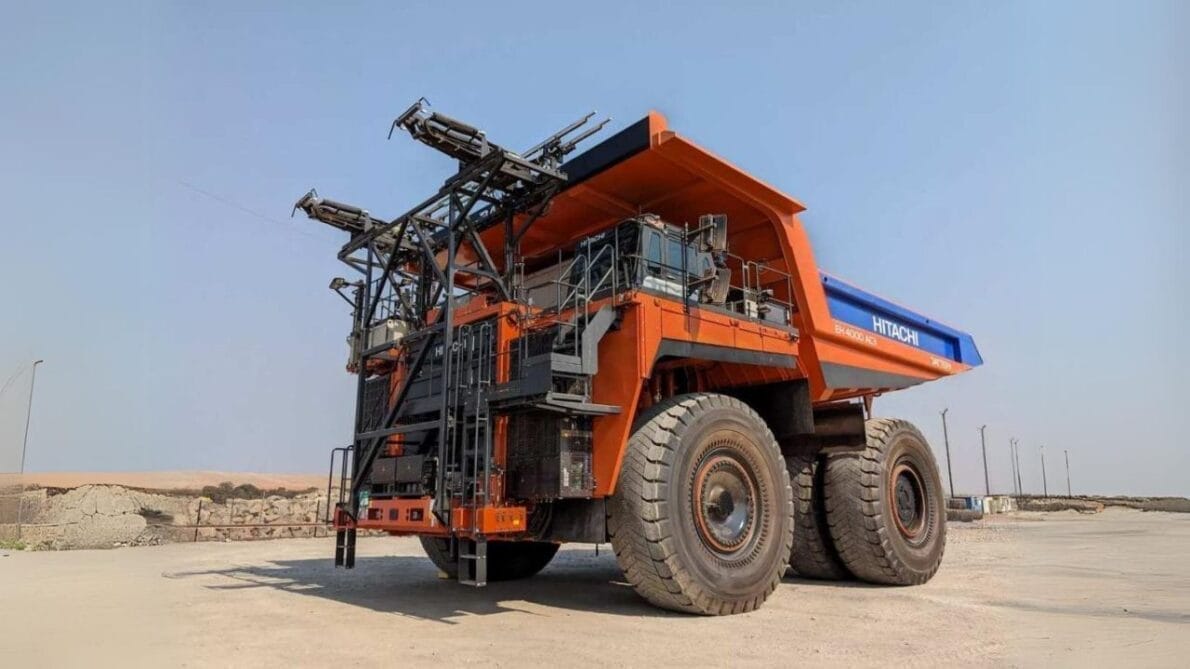
Hitachi reported that the “world’s first completely electric ultra-large dump truck” is being used at an open-pit copper and gold mine in Zambia. The prototype will undergo validation testing under operational loads to verify the vehicle’s basic performance and supporting infrastructure.
A Dirty Business in The Cleaning Process
Mining is an industry that generates a lot of pollution, but we have seen several efforts to clean up its operations, at least regarding heavy machinery. Previous attempts to reduce emissions during mining operations have come from companies such as GM, Fortescue, Caterpillar, and Anglo American.
Hitachi Construction Machinery began its project in 2021, partnering with tech giant ABB “to explore opportunities for mine operators to aim for net-zero emissions from mining machines.” Development of an electric dump truck started in June of that year.
-
James Webb Telescope Uncovers Unexpected Clues on Mysterious Moon, Potentially Redefining Planetary Origins

-
$1.5 Billion Sleipnir Vessel Transforms Ocean into Floating Construction Site with 12 Hybrid Engines and Capacity to Lift 20,000 Tons

-
23 Years After Tragedy, Brazil’s Alcântara Space Center to Launch New Suborbital Rocket in 2026 with South Korean SEBIT Project Targeting Near-Space Tests
-
British Factory Transitions from Mechanical Parts to Producing 420,000 Electric Power Units Annually, Supplying 70% of Ford’s Electric Cars Sold in Europe


By 2023, First Quantum Minerals joined the collaboration, agreeing to conduct feasibility testing for the truck at its Kansanshi copper and gold mine in Zambia, where several trolley trucks from Hitachi were already in operation.

Innovation in Mining: Diesel-Electric and Electric Trucks
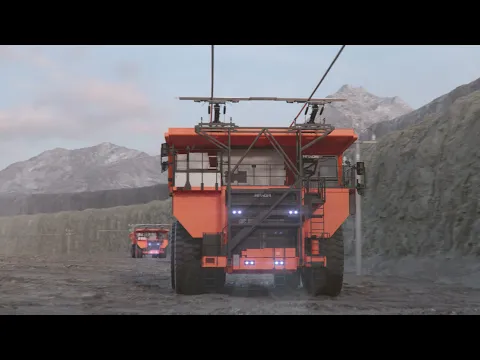
These diesel-electric vehicles move around the site using the internal combustion engine for power like a regular truck but can also raise a pantograph to overhead cables and operate solely on electricity. A rigid electric version with a battery would completely eliminate diesel emissions, which is particularly appealing for mining in Zambia, as approximately 92% of the country’s energy needs are met with renewable energy sources.
Fast forward to January this year, initial testing of the prototype was completed. The collaboration used a Hitachi EH4000 AC-3 model as the basis for the electric trolley prototype, measuring 14 meters in length, featuring 74-centimeter tires, powered by a 2,500 horsepower Cummins engine, and carrying a rated payload of 221 tons.
Testing and Future Expectations
Now, the fully equipped prototype has arrived in Zambia and started a technological feasibility test at the Kansanshi mine. The truck is expected to operate continuously thanks to the existing network of overhead charging lines combined with the prototype’s regenerative braking system.
While capacity figures have not been revealed, due to the dynamic charging configuration –which should eliminate the need for the truck to stop to recharge– the size of the onboard battery pack is smaller than if the vehicle were operating solely on battery and motor. This should translate into reduced production costs while maximizing payload capacity.
The development of zero emissions with battery and little to no impact on payload capacity, production, and fleet size is achievable with Trolley Assistance, and First Quantum has mastered this technology by working with Hitachi Construction Machinery’s 2,600V systems to provide stable platforms with multiple trucks on the aerial line simultaneously. This system is an operational, practical, and economically viable solution that will reduce emissions in mining for many years to come.
John Gregory from First Quantum states:
This development marks a significant step towards sustainability in the mining industry, demonstrating how collaboration among leading companies can result in technological innovations that benefit both the environment and operational efficiency.
Source: www.hitachicm.com