Portuguese
  Spanish



Red Flag in Energy: Understand Why the Electricity Bill Gets More Expensive
Have you noticed that suddenly your electricity bill increased and heard about the red flag in energy? It’s not magic or a prank: we will explain simply what this means and how it affects your wallet!
We are going through one of the most critical drought moments Brazil has ever faced. The lack of rain not only influences the humidity in the air but also affects the value of your electricity bill. This happens because, during dry periods, the reservoirs of hydroelectric plants are low, and the country needs to resort to more expensive energy sources, like thermoelectric plants.
But What Is the Red Flag in Energy?
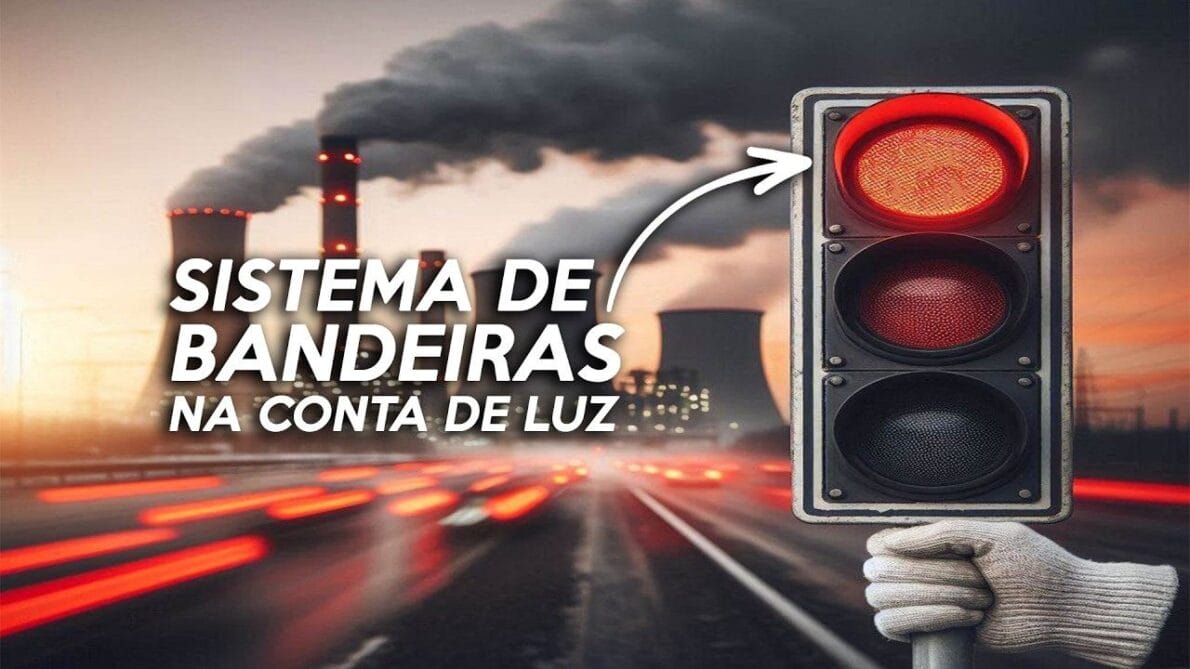
The red flag in energy is an alert system created by the National Electric Energy Agency (ANEEL) to inform consumers that the cost of electricity production has increased. It works like a traffic light:
-
Engie Secures 10-Year Use of 625 MWh in Batteries to Store Excess Solar and Wind Energy in Spain by 2028

-
Giant Batteries Take Center Stage in Chile Auction as Company Offers 960 GWh of Solar Energy for Nighttime Use, Aiming to Stabilize Solar Power Supply
-
After a Year of Success in Switzerland, Solar Railway Attracts Italy’s Interest for Clean Energy Transformation
-
Robots Clean Solar Panels in Desert Power Plants Without Water, Preventing Energy Losses


- Green Flag: favorable conditions for energy generation, with no extra cost on the bill.
- Yellow Flag: less favorable conditions, with a small increase in the bill.
- Red Flag: unfavorable conditions, with higher additional costs.
The red flag is divided into two levels:
- Level 1: the situation is complicated but under control. There’s an increase of R$ 4.463 for every 100 kWh consumed.
- Level 2: the maximum alert! The additional cost rises to R$ 6.498 for every 100 kWh consumed.
Why Does the Electricity Bill Get More Expensive Under the Red Flag?
When the red flag in energy is activated, it means that hydroelectric plants are unable to meet demand due to water scarcity. To avoid blackouts, the National Electric System Operator (ONS) needs to activate thermoelectric plants, which generate energy from burning fossil fuels like diesel and natural gas.
These energy sources are more expensive and less efficient, which increases production costs and, consequently, is passed on to consumers through the extra charge on the electricity bill.
How Do Tariff Flags Impact Your Day-to-Day?
Besides affecting your wallet, the red flag in energy is a signal for all of us to adopt conscious consumption practices. Saving energy during this period is not just a financial matter, but also a sustainability issue.
Tips to save:
- Turn off appliances that are not in use.
- Make the most of natural light.
- Use LED bulbs, which are more energy-efficient.
- Avoid very long showers and very hot water.
So, are you going to do the rain dance or start saving energy? Share in the comments what you are doing to cope with the red flag in energy!