Portuguese
  Spanish


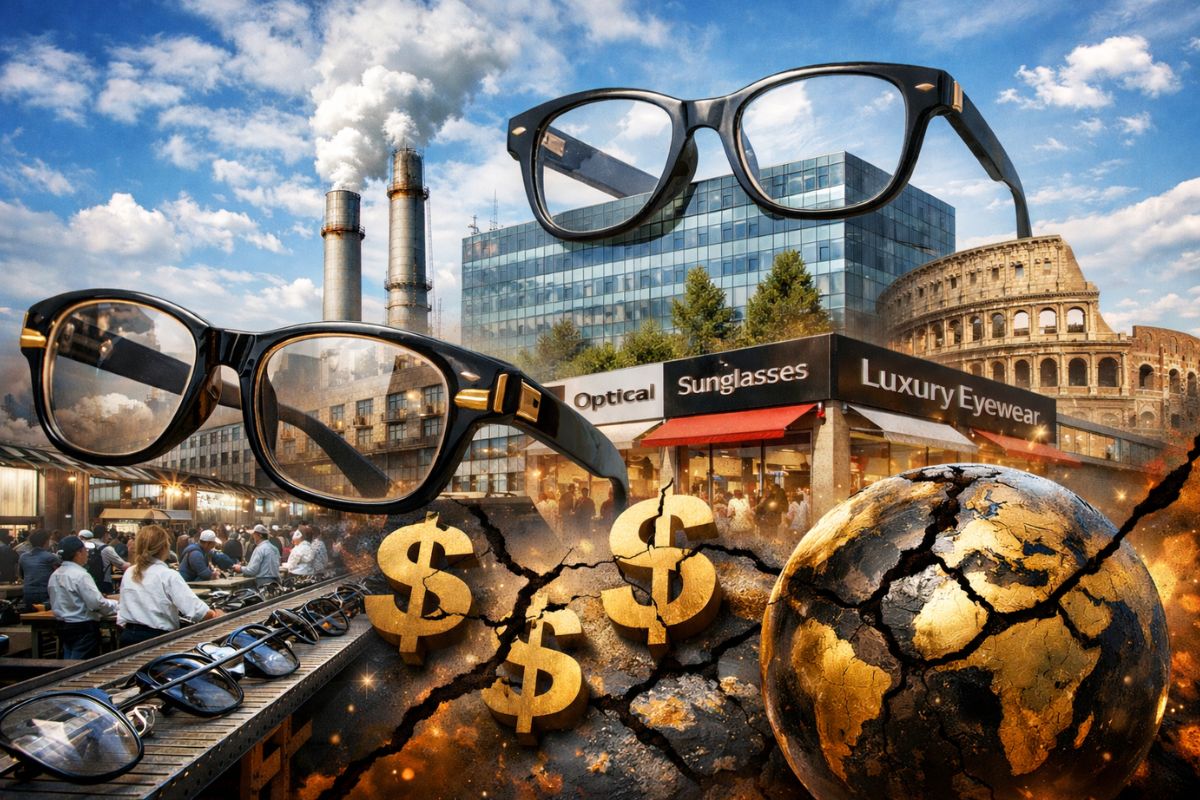


All Glasses in the World Seem to Come from the Same Origin Because a Single Giant Dominated Brands, Factories, and Stores for Decades, but This Monopoly Is Starting to Be Questioned and Shows Cracks Worldwide.
Sitting on your own glasses may just be bad luck for the day, but it becomes the perfect excuse to face the uncomfortable question that many people avoid: why does a piece of plastic with a lens cost so much? When you start pulling at this thread, you discover that the feeling that almost all glasses in the world come from the same place is not an exaggeration. Behind the display cases full of “different” brands, there is the same machinery holding price, choice, and profit margin high.
Glasses don’t have chips, screens, or batteries. They are plastic or metal frames, screws, and lenses. Still, while cell phones, TVs, and laptops have become more accessible over the years, the price of glasses has remained high.
This contradiction has led many to suspect that the problem is not in the material, but in the power concentrated in the hands of a single global structure that has commanded all luxury glasses in the world for a long time.
-
The U.S. Navy Conducts Submarine Tests in Idaho Lake to Detect Underwater Noises Hidden by the Ocean

-
British Factory Transitions from Mechanical Parts to Producing 420,000 Electric Power Units Annually, Supplying 70% of Ford’s Electric Cars Sold in Europe
-
France Launches Network to Recycle 20 Million Cookware Pieces by 2027, Accepting All Brands for Aluminum and Coating Separation
-
Ancient Mines in Spain Reveal Tools and Metals That May Explain Bronze Age Trade with Scandinavia


How a Simple Pair of Glasses Became a Luxury Item
The starting point is simple: most people need glasses at some point in their lives. It’s a somewhat invisible product in daily life, but absolutely essential.
When an essential item starts to cost more and more without changing that much on the inside, the alarm bell rings. That’s exactly what happened with glasses.
For a long time, consumers believed they were paying more for “brand,” “Italian design,” or “premium quality.”
But as cost comparisons and margins arose, it became clear that there was something more: a highly concentrated chain, where the same group controls manufacturing, brand licenses, distribution, and the store counter where you buy.
In practice, this means that from the mold of the frame to the shopping mall display, much of the journey passes through the same hands. And when a company has this type of reach, it doesn’t just participate in the market; it helps to shape the market.
The Giant That Merged Brands, Factories, and Stores
The story begins in 1961, in Agordo, Italy, with the creation of a company that decided to go beyond manufacturing frames. The idea was clear from the start: not to just be a supplier, but the owner of the entire chain.
It starts by producing for others, then takes on its own brands, and over time moves to the strategy that would change the game: buying those who sell and those who manufacture.
In the 1990s and 2000s, this combination of ambition and a full coffers accelerates. Acquisitions of major optical chains and brands that, to the public, seemed to compete with each other follow.
Iconic names in sunglasses and prescription glasses begin to coexist under the same umbrella, even though they appear in advertising as separate worlds.
The most symbolic move happens in 2017, when the merger with a lens giant occurs. EssilorLuxottica emerges, a group that comes to concentrate about 80% of the global luxury sunglasses market, uniting frames, lenses, brand licenses, and retail channels on a global scale.
That’s why so many people swear that all “branded” glasses in the world seem to come from the same origin when they look more closely at the market.
When Those Who Manufacture Also Control the Counter
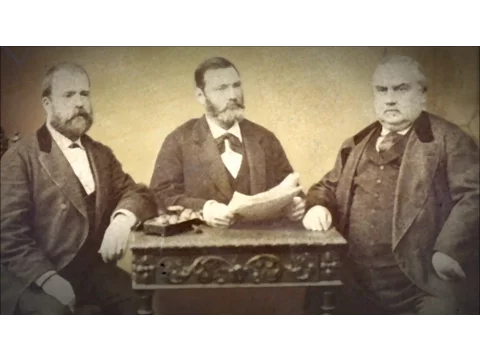

In a competitive market, different brands fight for price, variety, and service. In a market where the same group controls manufacturing, branding, store networks, and in some cases even insurance or vision plan providers, the logic changes.
If you enter a large optical chain and choose from several famous brands, but most of them come from the same group that owns the store, the game of “competition” becomes quite unbalanced.
Who controls the counter can push certain models, set comfortable margins, and make life difficult for smaller manufacturers trying to get on the shelf.
This is how a product that costs a few dozen dollars to manufacture can appear in the display case for $200 or $300, with the customer believing they are facing a technological luxury when in fact they are paying for a vertical structure with high negotiating and marketing power.
The Numbers That Reveal the Margin of Glasses
A comparison with alternative brands helps to understand the size of the excess in this chain. Companies that were born to sell glasses directly to consumers, such as Warby Parker, reveal another reality of costs.
While a pair of glasses from the dominant giant can reach $200, with a good part of that value linked to profit, marketing, and licenses, a direct-to-consumer brand can sell a model for around $95, with estimated costs of frame and lens around $10. Even with packaging, logistics, customer service, and digital infrastructure, the difference stands out.
In traditional retail, it is common for a product that cost $30 or $40 to produce to appear for multiples of that value in physical stores.
When consumers discover this, the feeling that “all glasses in the world are expensive for no reason” begins to gain concrete explanation. It’s not just status; it’s the consequence of a chain built to extract the maximum willingness to pay from the customer.
Is the Monopoly on Glasses Starting to Crack?
Despite the historical dominance, the scenario is no longer one of absolute control. EssilorLuxottica itself has begun to face pressure from regulators and competitors in several countries.
In 2021, it was fined €125 million in France for practices related to price manipulation. In 2023, it faced accusations in Turkey of restricting rivals’ operations in the market.
At the same time, new business models are emerging to break the idea that all glasses in the world need to go through the same machinery.
Digital brands selling directly to consumers, independent optical shops gaining space again, subscription plans, local production focused on cost transparency, and startups openly showing how much they spend on lenses, frames, and operations.
This doesn’t mean that the empire has ended, but that the narrative has changed. More informed consumers are questioning margins, researching alternatives, and comparing experiences.
And antitrust authorities no longer view the glasses market as harmless: they have begun to look at this sector with the same attention given to technology, telecom, or fuel.
What Does This Change for Those Who Need to Wear Glasses?
In practice, it is still true that a huge portion of all glasses in the world passes through a few hands, especially when we talk about luxury brands and large chains in malls. But cracks have opened.
For the consumer, this means some important movements: more online purchasing options with more transparent pricing, more small optical shops trying to differentiate through service, and a growing debate about visual health as an essential service, not a permanent luxury.
Every time someone discovers that the real cost of lenses and frames is much lower than the final price, the pressure for change increases.
The monopoly may not crumble overnight, but it is no longer invisible. And when power stops being invisible, it begins to be negotiated.
And what do you think about this story? After discovering that almost all glasses in the world have been coming from the same machinery for years, would you continue to buy from the same stores or switch to alternative brands and independent optical shops?