Portuguese
  Spanish


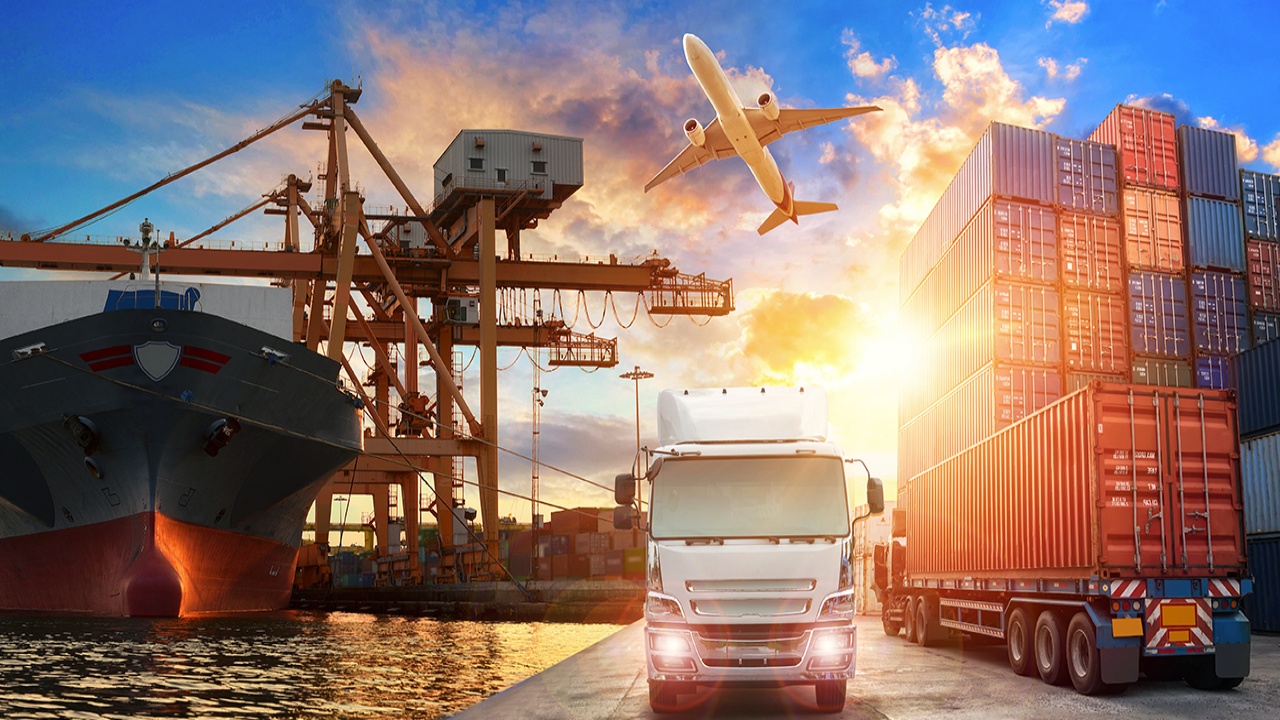

Historically, the logistics sector invested very little in technology, and Brazil was not recognized as a high-investment market in this sector
Considered a complex structure, the Supply Chain area has undergone several transformations in recent years, especially digital ones, to optimize processes and meet new market demands. Furthermore, with the mandatory social isolation and businesses closing due to the pandemic, companies needed to invest in technological innovations, and online shopping became a new reality.
To prove this fact, we can cite the development of e-commerce in Brazil, which had a record revenue in 2021 of over R$ 161 billion, according to a survey by Neotrust, the company responsible for monitoring Brazilian electronic commerce. Compared to the previous year, this growth represents a total of 26.9%.
In light of this scenario, many companies have invested in the implementation of technologies capable of providing various benefits, both for businesses and for the end customer. As a result, today, with the direction that the logistics scales of the Supply Chain are taking, it has become unfeasible to operate without the aid of technological resources that ensure process control.
-
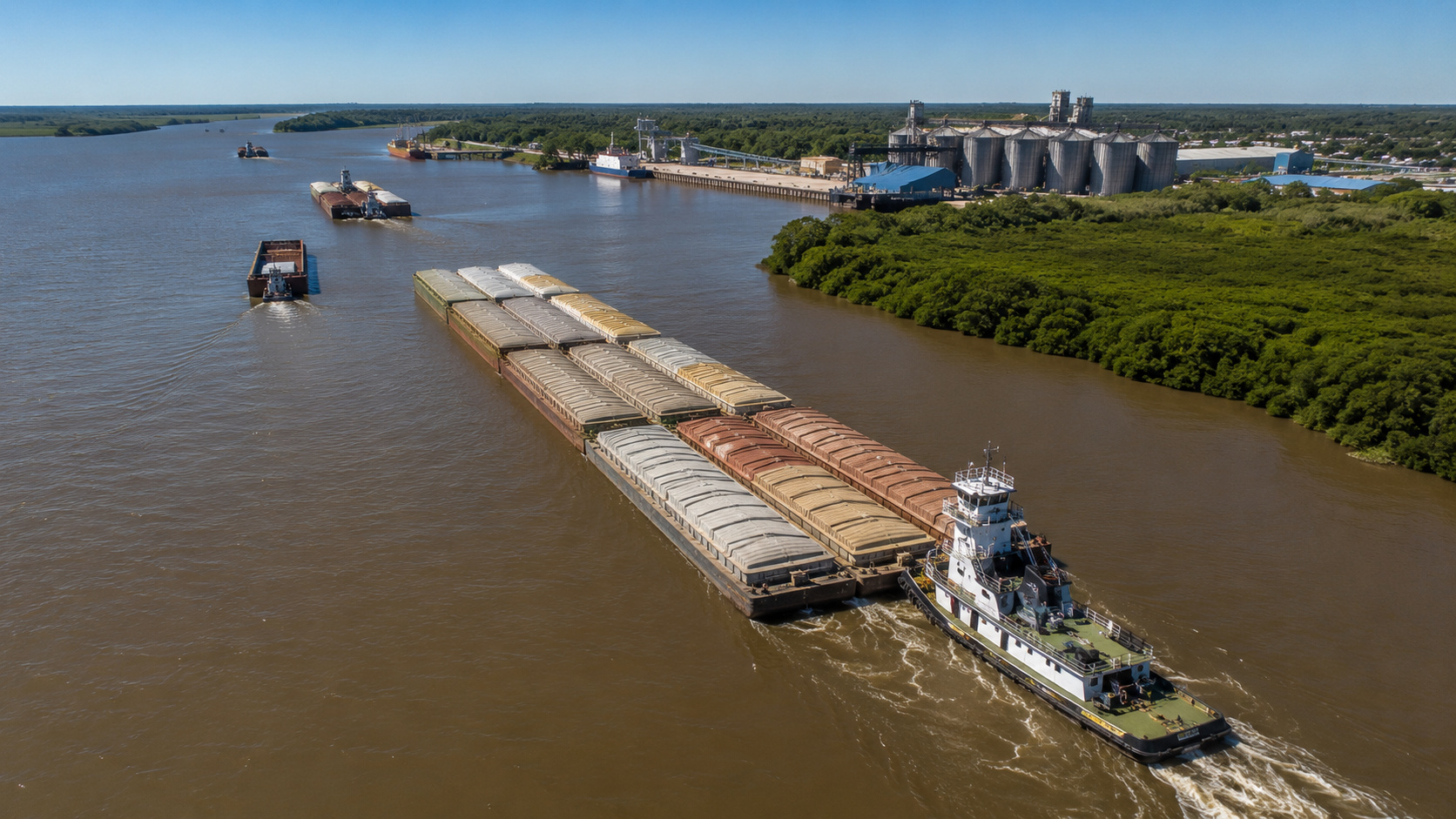
Latin America’s Largest Port Invests $400 Million in Rail System with Trains Up to 2.4 Kilometers Long
-
New Smart Radar Begins Issuing Fines to Solo Drivers in Carpool Lanes, Uses Cameras to Count Occupants, Changing Traffic Enforcement Rules on Busy European Roads

-
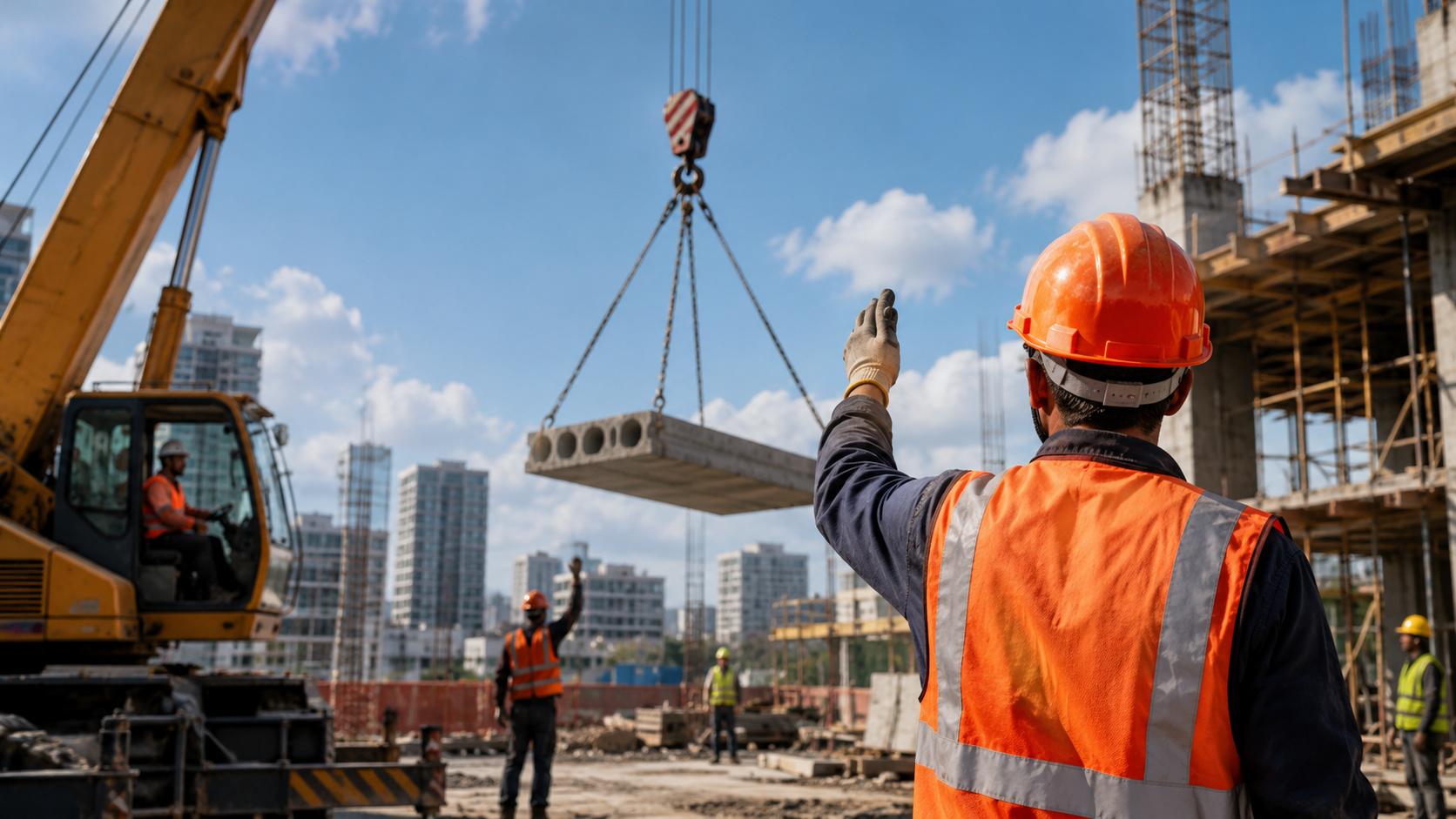
Why can the crane operator only obey the correct signalman on the construction site: among dozens of workers, a hand raised by the wrong person can confuse the maneuver and turn a load of tons into an immediate risk.
-
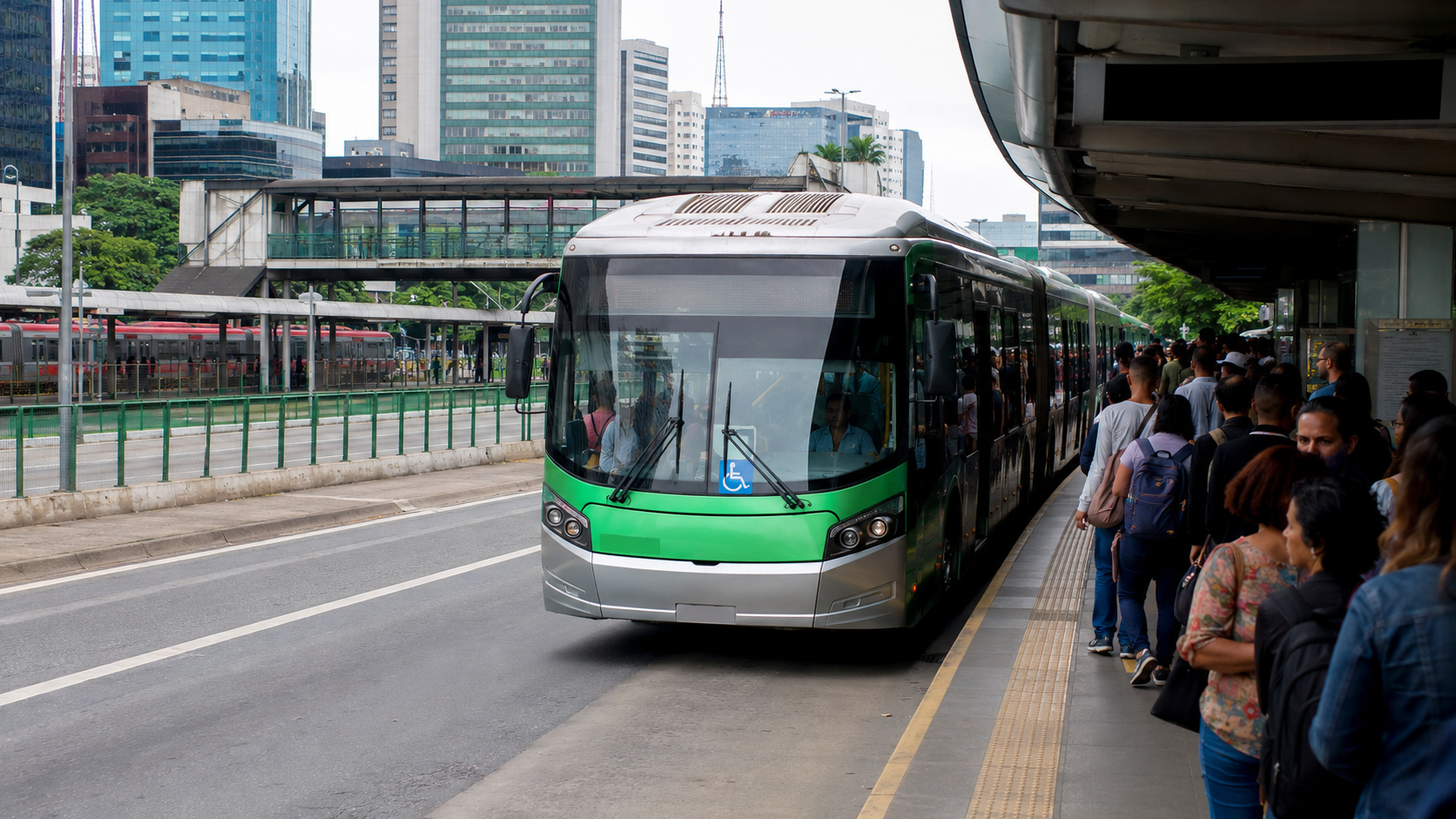
What changes with the new public transportation rules that can reduce pressure on fares and pave the way for zero fare in Brazil?

Technology as an Ally in the Logistics Chain
The advancement of technology has allowed for an effective contribution to better management of the entire chain of processes related to the Supply Chain area. Once established, its proper functioning will depend on the capacity of each link to perform its role and maintain the planned flow.
Currently, the market offers modern logistics systems that provide complete Supply Chain management for companies, covering everything from material purchase to inventory management, transportation, and delivery—processes that can be quite extensive and complex. Thus, utilizing technological resources not only ensures cargo control but also helps avoid operational errors.
Additionally, having access to a complete set, including a control tower, which consists of a center where it is possible to have visibility of everything happening from end to end, even guarantees the sustainability of the systems, as it optimizes the use of vehicles that, in turn, consume less fuel and generate less impact on the environment.
Main Challenges of the Supply Chain in Brazil
Supply chain management involves a series of hurdles, requiring superior performance from companies. One of these is related to culture. Historically, the logistics sector invested very little in technology, and Brazil was not recognized as a high-investment market in this sector, unlike other verticals. However, this scenario has been transforming over the last decade, and organizations have understood that technology alone does not perform miracles. To remain competitive, it is necessary to let go of old processes and invest in more effective systems capable of meeting the current needs of customers and consequently not miss out on good business opportunities.
Delivery times are another challenge that technology has helped to address. After an online purchase, for example, it is common to receive messages with the specific date on which the order will arrive at its destination. Therefore, to retain customers, it is essential that companies meet the specified deadline, increasing customer satisfaction and ensuring that they have a differentiated experience.
Moreover, there is no talking about Supply Chain without relating it to cost reduction. With the increasing adoption of online shopping, organizations across all sectors face the significant challenge of speeding up the supply chain while reducing delivery costs. In this process, system integration and the digitization of the entire chain have been important allies in avoiding losses.
It is worth mentioning that Brazil is a country with vast geographical extent, with municipalities of all sizes, and therefore, it is mandatory to be prepared to serve customers wherever they are. In this sense, having a robust and aligned infrastructure can be key to the success of businesses, as it will ensure a unique and satisfying purchasing journey for consumers who, after having a good experience, will certainly make further purchases.
Thus, to truly succeed and take advantage of all the benefits that technologies offer, supply chains must not only invest in new solutions but also rely on teams that possess certain skills and competencies, achieving a true digital transformation and not merely a technological implementation.
By Fernando Alex – Head of Market and Product Logistics at Grupo Benner, a company that provides information through software and processes aimed at revolutionizing business.