






 Portuguese
  Spanish
  4 min of reading
  0 comments



According to the research conducted by the exempt sectors, from January 2018 to December 2022, there were a total of more than 1.2 million new hires of workers. The data indicates a significant increase in employment during this period.
Miguel Torres (Força), Ricardo Patah (UGT), and Antonio Neto (CSB) express their frustration regarding the federal government’s decision and the lack of dialogue with them on the matter. In their opinion, the exemption from payroll taxes is a matter of social justice. For them, it is a mistake by the economic team to transfer the burden of fiscal adjustment to the productive sector and formal employment, as it is the workers who will bear the consequences, either through unemployment or informal work.
The representatives of the workers also expressed concern regarding the possibility of layoffs. In a joint statement signed by Força Sindical, União Geral dos Trabalhadores (UGT), and Central dos Sindicatos Brasileiros (CSB), the leaders of the three confederations assert that the decision to veto the extension of the program could put millions of jobs at risk, stimulate precariousness in the labor market, and lead to the end of the cycle, led by the Ministry of Labor, of reducing unemployment. “The result will be loss of revenue, insecurity, and lower quality jobs.”
Exemption Is Constitutional, Says ANJ
Countering another argument presented by Haddad, the executive president of the National Association of Newspapers (ANJ), Marcelo Rech, claimed that the exemption is legal according to the constitution, as it refers to the extension of its validity until 2027, and not the creation of a tax benefit. He emphasized that “in addition, the veto threatens thousands of jobs that have been maintained or generated in these sectors, with a high use of labor, in recent years. Given these circumstances, we trust in Congress’s sensitivity to overturn the veto,” he stated.
-
Petrobras is expected to complete the drilling of the Morpho well in the Foz do Amazonas in August 2026, the first well in the Equatorial Margin, an oil frontier that the ANP estimates at more than 30 billion barrels and could redraw the map of Brazil.

-
Oil returns to the center of concerns with tension between the US and Iran

-
IEA reduces forecast for global oil demand in 2026 after impacts of the Middle East crisis

-
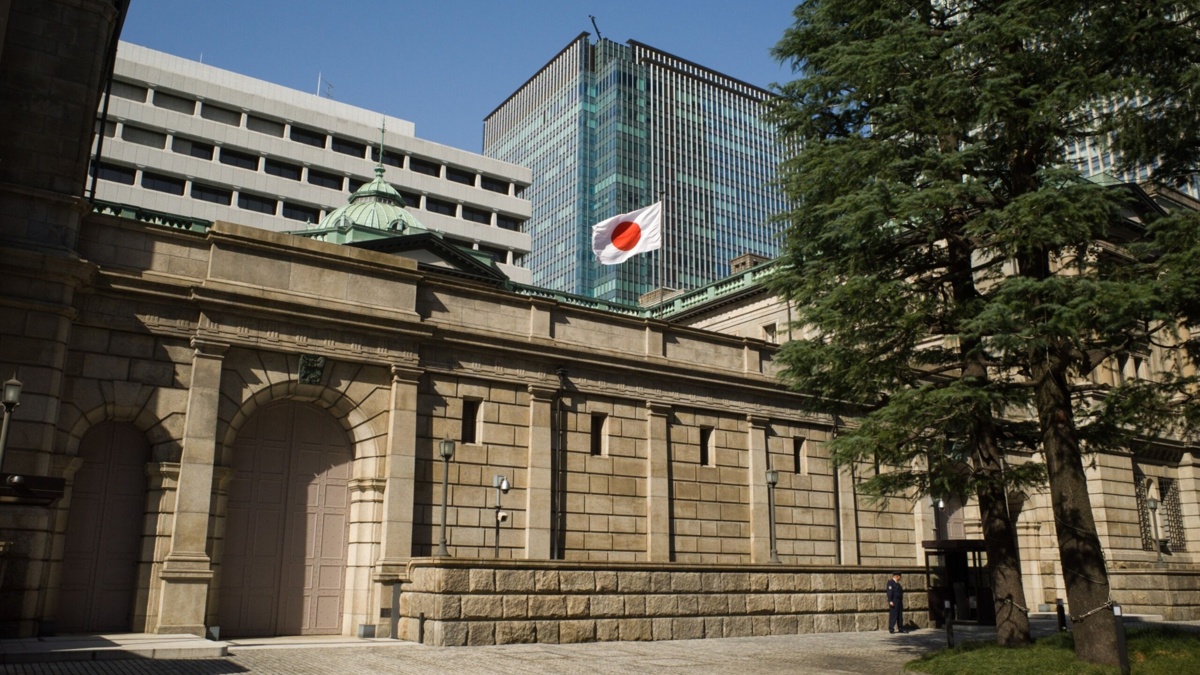
Bank of Japan raises interest rates to 1%, reaching the highest level in over three decades


In the machinery and devices sector, it is estimated that maintaining the veto could result in 40,000 layoffs, which corresponds to 10% of the entire current workforce. “I understand the Minister of Finance, Fernando Haddad’s concern about seeking fiscal balance and improving public accounts, but the exemption, although seeming like a tax waiver, generates jobs and income,” says the president of the Brazilian Machinery and Equipment Industry Association (Abimaq), José Velloso.
The CEO of the National Association of Shoe Industries (ABICALÇADOS), Haroldo Ferreira, stated that the entity conducted a survey on the impact of a possible re-taxation of payroll. According to him, “The immediate impact would result in a loss of 20,000 jobs already in the first year. Taxing job creation goes against the reindustrialization policy desired for the country.” In the footwear sector, the estimate is that re-taxation would result in an additional tax burden of R$ 720 million per year.
Implemented since 2011, the exemption from payroll consists of an advantage that replaces the employer’s social security contribution of 20% applied on the payroll with rates of 1% to 4.5% on total revenue. In practical terms, this measure reduces the tax burden of the social security contribution owed by companies in 17 sectors that are the largest employers in the country. **The benefit will lose its validity by the end of this year if Congress does not overturn the presidential veto.**
Impact of the Exemption of Sectors on Job Generation
“This is not about blackmail. It is a matter of survival,” declared executive Vivien Suruagy, leader of Feninfra, an organization that represents companies operating in the telecommunications infrastructure sector. “Either companies go bankrupt, or there will be an increase in unemployment.”
A study conducted at the request of the benefited sectors by exemption, using data from Caged (General Registration of Employed and Unemployed), revealed that, from January 2018 to December 2022, the 17 sectors benefited by the exemption hired more than 1.2 million workers, resulting in an increase of 15.5% over the period. On the other hand, the 13 sectors that lost the same tax benefit in 2018 hired just over 400,000 new workers, representing only a growth of 6.8%.
Last Friday (24), members of the business class and representatives of unions rebutted the statements made by the Minister of Finance, Fernando Haddad (PT), regarding the exemption from payroll not influencing the hiring of new employees.
Haddad also classified the pressure for the extension of the tax benefit, with arguments about maintaining existing jobs, as “blackmail.”
This position of the minister generated significant controversy and discontent among business and labor segments, who contest this assertion based on data and concrete examples of the positive impact of the exemption on job generation. **This disagreement opens a broad debate on tax incentive policies and their impact on the economy and the labor market.**
Source: InfoMoney








Be the first to react!