Portuguese
  Spanish


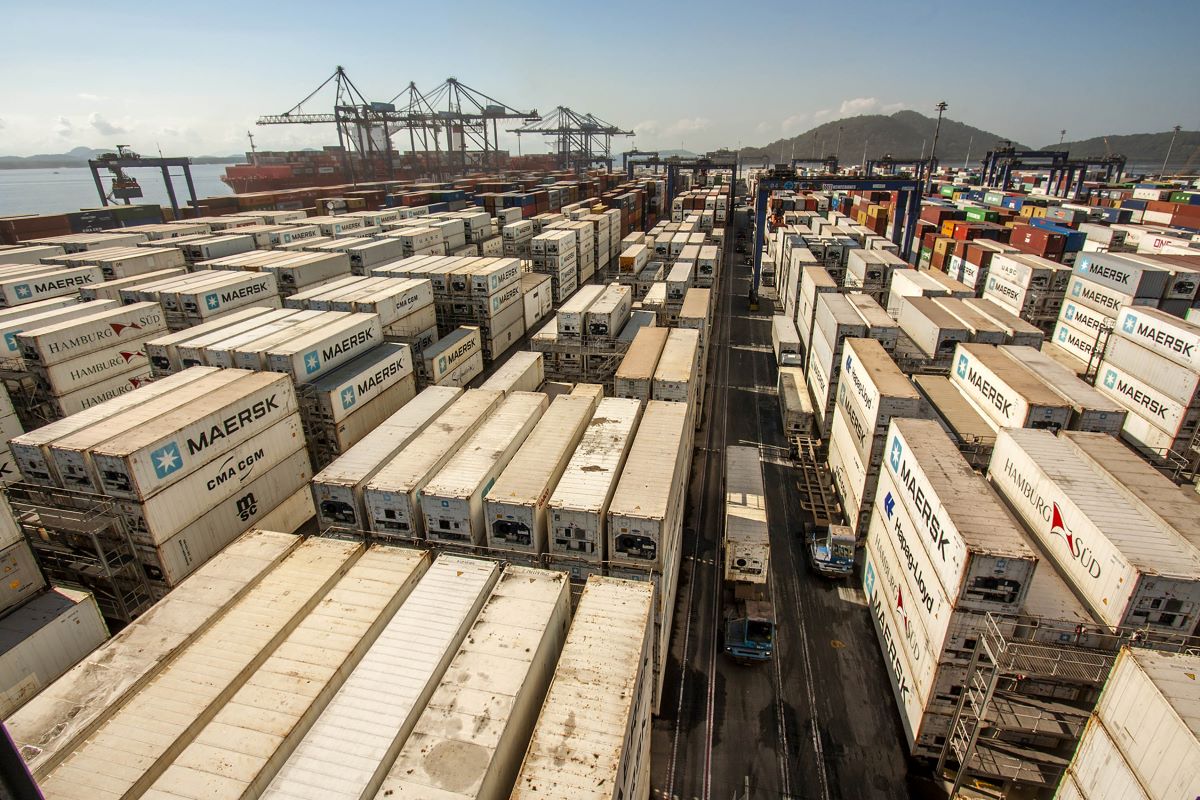

In The 2000s, Approximately 59% Of The Products That Brazil Sold To The World Were Manufactured Products From Industries. Thus, In Two Decades, The Share Dropped By 28%, Mainly In The Year 2022. This Information Is According To Data From The AEB (Brazilian Foreign Trade Association).
Thus, soy, corn, meat, iron ore, and oil accounted for half of all that Brazil exported to the world in 2022. This shift was the subject of exports, creating a list of the main destinations to which Brazil exports. Essentially, Brazil is currently selling more to the Middle East than to Argentina, its neighboring country.
This reversal reflects the advancement of commodities in relation to Brazilian trade with the international community. However, Argentina remains the main destination for manufactured goods produced by Brazilian industries, particularly automotive industries. The Middle East purchases 17% of meat/poultry, with 5% being beef, 16% corn, 14% iron ore, 11% soy, and 10% sugar.
Dollar x Controversial Common Currency
Yes, one of the main reasons Brazil is exporting more to the Middle East than to Argentina is due to the ongoing crisis that the country has been experiencing for some time. This statistic was evaluated by José Augusto de Castro, current Executive President of the AEB. Castro states, “Argentina has a serious problem of lack of dollars.”
-
Brazilian Startup Turns Coffee Grounds into Plant-Based Leather, Cutting Water Use by Over 50 Times for High-Impact Sustainable Fashion

-
Eco Invest Auction Aims to Unlock $10 Billion in Investments, Focusing on Green Fertilizers, Critical Minerals, Batteries, and AI for Clean Industry in Brazil

-
Half of Brazilians Prefer Lower Taxes with Private Health and Education, While 44% Opt for Higher Taxes for State-Provided Services, Datafolha Survey Reveals

-
Brazil’s Most Expensive Toll Rises to R$ 40.60 on Route from São Paulo to the Coast, Nearly Matching Bus Fare to Santos



He is referring to the extremely low level of foreign currency reserves, which currently stands at US $42.9 billion. In comparison, Brazil has more than US $324.7 billion in international reserves, while Argentina’s value is significantly lower. Therefore, to prevent dollar outflow, the Argentine government imposes restrictions on imports, affecting all trading partners.
Thus, to increase trade flow between the two countries, the only solution was to transact in a currency that would not be the dollar. This idea originated from Fernando Haddad and Daniel Scioli, the Argentine ambassador, during a meeting in Brasília. This caused some noise because after leaving the meeting, Daniel spoke about the possibility of creating a common Mercosur currency. However, days later, when asked about this new currency, Fernando Haddad did not want to clarify the idea of the new currency. See what the President of Eurasia says about Brazil.
However, it is important to remember that the record for exports is to the Middle East, and the increase in Brazil’s shipments to the Middle East reflects the primarization currently in discussion regarding Brazilian exports. Finally, be aware that in recent years Brazil has been selling more basic products with low levels of differentiation.