Portuguese
  Spanish


The gas station owner can move million-dollar figures, but the profit margin changes the equation. Between convenience store, car wash, oil change, and extra services, the income usually appears outside the pump, where each stop becomes a chance to increase monthly revenue without relying solely on fuel.
The gas station owner is often seen as someone who profits greatly because they sell a constantly consumed product in Brazil. But, in the scenario described with 2024 data, the business profit margin can be much lower than many people imagine, even when there is a convenience store, car wash, and oil change.
In a video released by the channel Economia Oculta, on June 4, 2026, the account involves fuel sector entrepreneurs, neighborhood stations, units on busy avenues, and large highway structures. In 2024, according to the presented data, the country sold 133 billion liters of fuel, in a market estimated at over R$ 800 billion.
High revenue does not mean cash left over in the register

At first glance, being a gas station owner seems like an almost guaranteed way to make money. The product has constant demand, the Brazilian fleet exceeds 110 million vehicles, and most still depend on gasoline, ethanol, or diesel to run.
-
As Brazil Expands Social Welfare, Survey Reveals 40% Blame Poverty on Laziness, While 58% Cite Lack of Opportunities

-
China Tightens Control on Antimony, Driving Prices from $22,000 to Nearly $40,000 per Ton as U.S. Rushes to Bolster Strategic Reserves

-
BlackRock Freezes $1 Billion in Brazilian Renewable Energy, Impacting 1.5 GW of Planned Projects and Highlighting Investor Concerns Over Infrastructure Bottlenecks Cutting Up to 25% of Solar and Wind Generation
-
Labor Shortage: Despite Record Average Salary, 90% of Brazilian Bar and Restaurant Owners Struggle to Hire Key Roles Like Sushi Chefs and Head Cooks


But the size of the market does not eliminate the complexity of the business. The gross revenue is impressive, but it does not represent the real profit. Before any money reaches the business owner’s pocket, there are costs with fuel purchase, embedded taxes, payroll, energy, maintenance, card fees, technical losses, and regulatory requirements.
In the case of an average station, the account mentioned in the material shows the size of the difference. A unit on a busy avenue can sell about 250,000 liters per month and earn R$ 1.5 million. Even so, the estimated net profit may be around R$ 40,000 per month.
Opening a station requires high investment before the first liter is sold
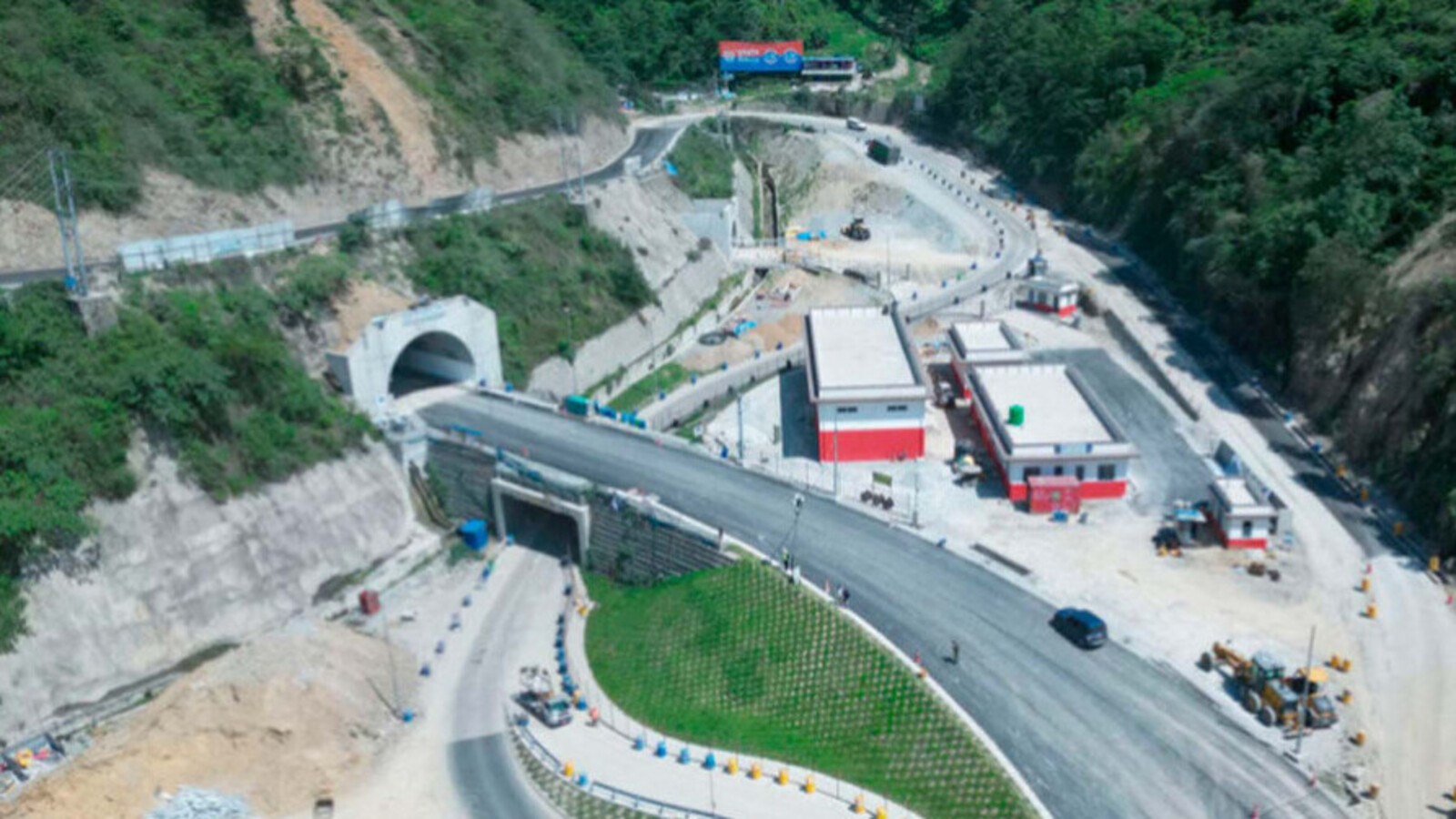
The first obstacle for those who want to enter the sector is the initial investment. A small neighborhood station, with two or three fueling islands and no sophisticated structure, may require from R$ 600,000 to R$ 1.2 million just to start.
An average station, with four to six islands and a small convenience store, can range from R$ 1.5 million to R$ 3.5 million. On highways, with a restaurant, car wash, truck area, and larger store, the investment can vary from R$ 5 million to R$ 15 million or more.
This money doesn’t just go to pumps and facade. The land needs to have enough area and a high-traffic location. The pumps, underground tanks with double walls, leak sensors, automation system, fueling lane, canopy, restrooms, and office are accounted for even before the operation begins.
Licenses and bureaucracy can delay opening for up to two years
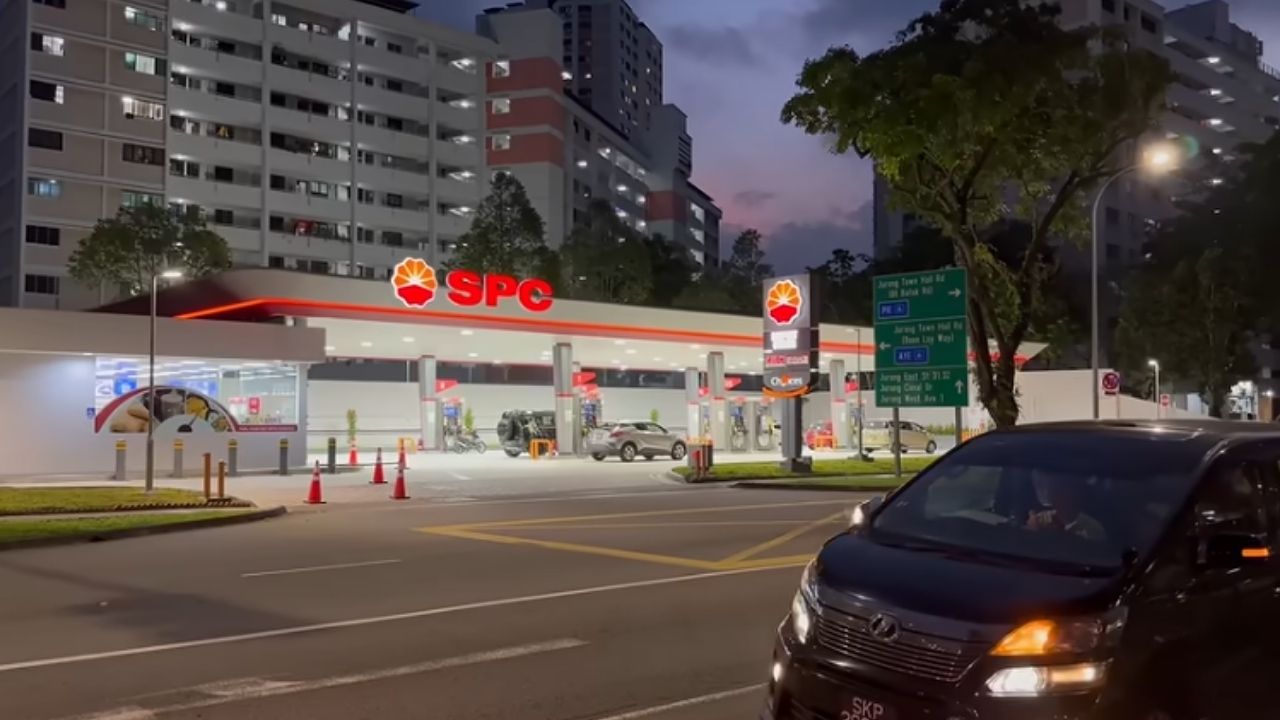
For the future gas station owner, having capital does not mean opening the doors quickly. The process can take from 12 to 24 months, especially due to environmental licensing and safety requirements.
The material cites three main licensing stages: preliminary license, installation license, and operation license. Additionally, there are authorizations from environmental agencies, the Fire Department, and the National Agency of Petroleum, Natural Gas, and Biofuels.
A documentary error, a technical issue, or an environmental disapproval can delay everything. Therefore, a fuel station is not a simple business to set up. Before selling the first liter, the entrepreneur already needs to have cash, patience, and the ability to deal with a highly regulated operation.
Branded or white flag changes the margin and customer trust
Another important decision is whether to operate under the banner of a large distributor or as a white-label station. A branded station uses well-known brands like Ipiranga, Shell, or Vibra, and gains marketing support, loyalty programs, and, in some cases, conditions to structure the operation.
The disadvantage is dependency. The entrepreneur is tied to the contract with the distributor and must purchase fuel exclusively from that brand. This can limit the margin and reduce negotiation flexibility.
In the white-label model, the gas station owner can research prices and buy from different suppliers. The freedom can increase the margin, but it brings a challenge: gaining trust without the weight of a national brand on the facade. For those starting out, credibility can be as valuable as price.
The margin per liter is much smaller than it seems
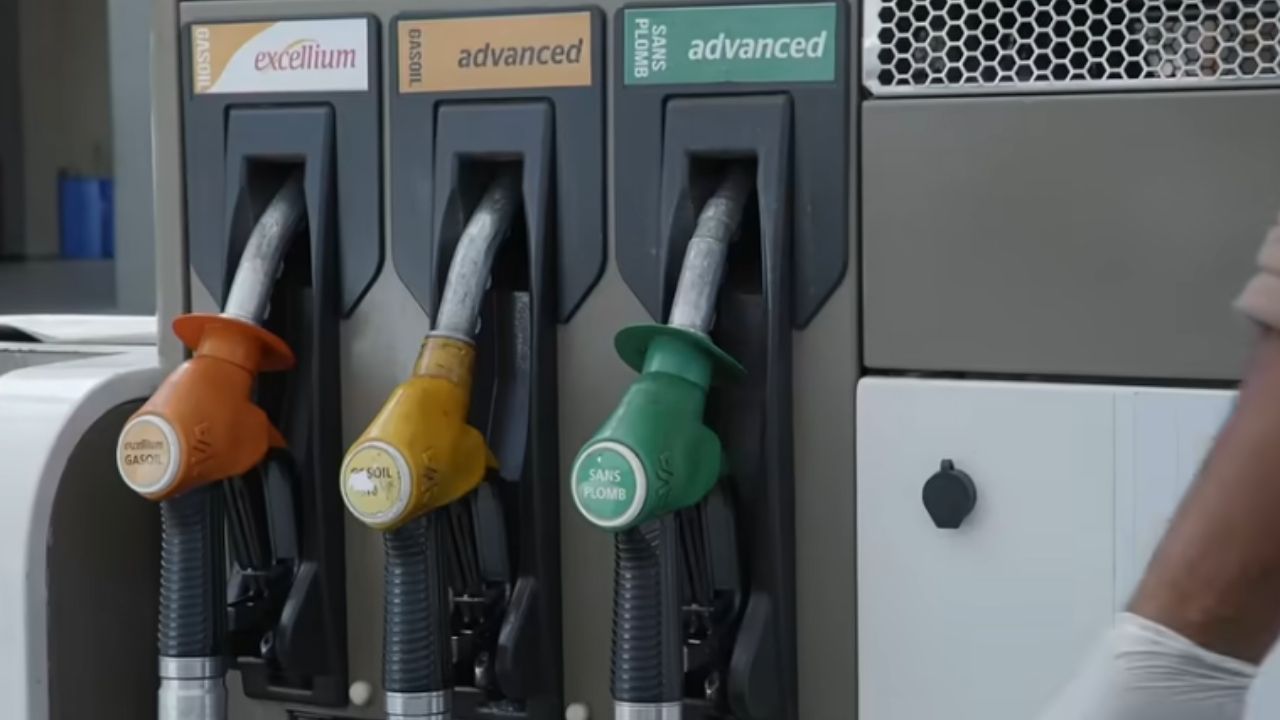
Those who fill up with R$ 200 or R$ 300 might imagine that a good part of that amount stays with the station. The reality is different. In fuel, most of the amount paid by the consumer already reaches the retailer with taxes and costs embedded.
In regular gasoline, the cited gross margin is between R$ 0.35 and R$ 0.55 per liter. In ethanol, between R$ 0.25 and R$ 0.45. In diesel S10, between R$ 0.20 and R$ 0.40. It’s a cents operation, not one of large margins.
Even this gross margin is not yet profit. After it come salaries, hazard pay for attendants, electricity, card fees, pump maintenance, insurance, and operational losses. With this, the real net margin of a station can be between 2% and 4% of gross revenue.
The example of the average station explains the illusion of R$ 1.5 million
The case of the average station well summarizes the difference between cash and profit. If the unit sells 250,000 liters per month at an average price of R$ 6, the gross revenue reaches R$ 1.5 million. It’s a big number, capable of giving the impression of immediate wealth.
But, with an approximate gross margin of R$ 0.40 per liter, the gross result would be around R$ 100,000 before costs. After operational expenses, the estimated net profit drops to about R$ 40,000 per month.
That’s why the gas station owner doesn’t live only from the price at the pump. If relying solely on fuel, the business becomes vulnerable to any drop in movement, cost increase, price war, or tax change.
The real profit may be outside the fuel pump
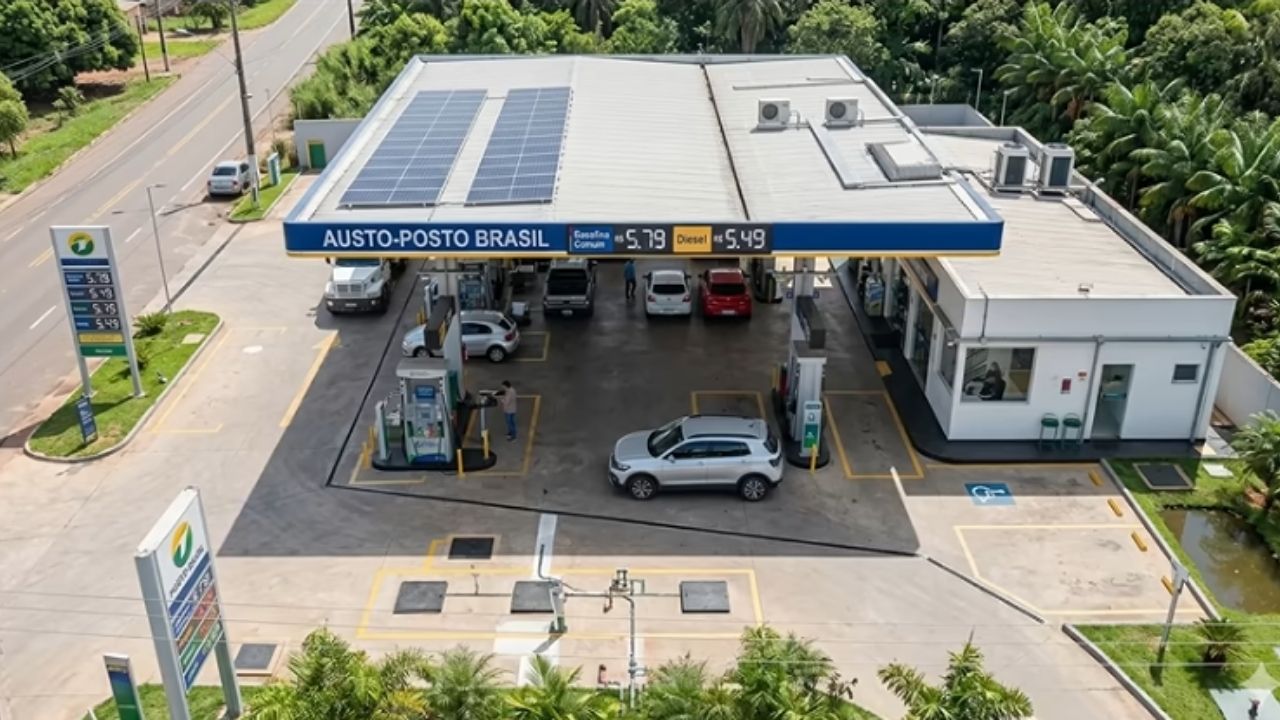
Gas stations that thrive usually understand a simple logic: fuel attracts the customer, but extra services increase profitability. The convenience store has margins much higher than those of the liter sold at the pump.
While fuel operates with a tight gross margin, convenience products can have margins of 30% to 40%. Water, coffee, snacks, cold drinks, and quick items help turn a refueling stop into additional consumption.
Car washes and oil changes can be even more profitable. According to the material, these services can have margins above 50% in many cases. The customer is already on site, with the car parked, and this reduces the barrier to purchasing another service.
Space rental transforms the station into a service hub
In larger stations, the model can go beyond direct sales. The gas station owner can rent areas for ATMs, pharmacies, food franchises, and other businesses that take advantage of the flow of people on the same premises.
In this case, the entrepreneur does not need to operate all services. He can receive rent and turn part of the space into recurring revenue. This type of income helps reduce dependence on the tight fuel margin.
Therefore, the strongest stations stop being just refueling points. They become centers of convenience, food, automotive services, and customer circulation. The pump remains the entry point, but it is not always the main source of profit.
Environmental risks, fraud, and price wars can undermine the result
The sector also has significant risks. One of the most sensitive is environmental. Leakage in an underground tank can contaminate the soil and groundwater, resulting in fines, remediation costs, and even license revocation.
There are also internal risks, such as fuel theft, control failures, calibration problems, and collusion with suppliers. Since the operation involves high-value physical products and intense operation, management needs to be rigorous.
The price war is another critical point. On avenues with several nearby stations, differences of cents can decide the refueling. The consumer compares, the competitor reacts, and the margin can quickly disappear.
How much can be left for the owner at the end of the month
According to the calculations presented in the material, a small neighborhood station can leave something between R$ 10,000 and R$ 20,000 per month. A medium station on a busy avenue can be in the range of R$ 40,000 to R$ 50,000. A large highway unit, with a store, restaurant, and car wash, can exceed R$ 100,000 monthly.
These values show that the business can be profitable, but it doesn’t work like an automatic money machine. The initial investment is high, the return period can take years, and the profit depends heavily on daily operations.
In the end, the gas station owner who earns more is not necessarily the one who sells the most expensive liter. It’s the one who controls costs, avoids losses, negotiates well, protects the reputation, and uses the space to generate revenue beyond the pump.
The station seems simple, but requires large company management


The fuel sector mixes retail, logistics, regulation, environment, service, financial control, and risk management. On the outside, it seems like just refueling. Inside, it’s a high-volume operation with a small margin.
The big difference is in management. A poorly managed station can earn a lot and still not generate cash. Meanwhile, a well-positioned unit, with strong convenience, extra services, and efficient control, can turn the same customer flow into real profit.
That’s why the question “how much does a gas station owner earn?” doesn’t have a single answer. The result depends on the size of the unit, location, volume sold, structure, brand, costs, additional services, and quality of management.
The profit is not just in the tank
The fuel station remains a relevant business in Brazil because the fleet still depends mainly on gasoline, ethanol, and diesel. But this doesn’t mean easy profit. The fuel margin is tight and requires scale, control, and diversification.
What separates the common station from the profitable station is the ability to transform a quick stop into a consumer experience. Convenience, car wash, oil change, food, and space rental can weigh as much as the sale of liters.
Did you imagine that a station could earn R$ 1.5 million and still leave about R$ 40,000 in profit? Do you think the price at the pump deceives the perception of outsiders? Comment if you would open a gas station or if you think the risk is not worth it.