






 Portuguese
  Spanish
  3 min of reading


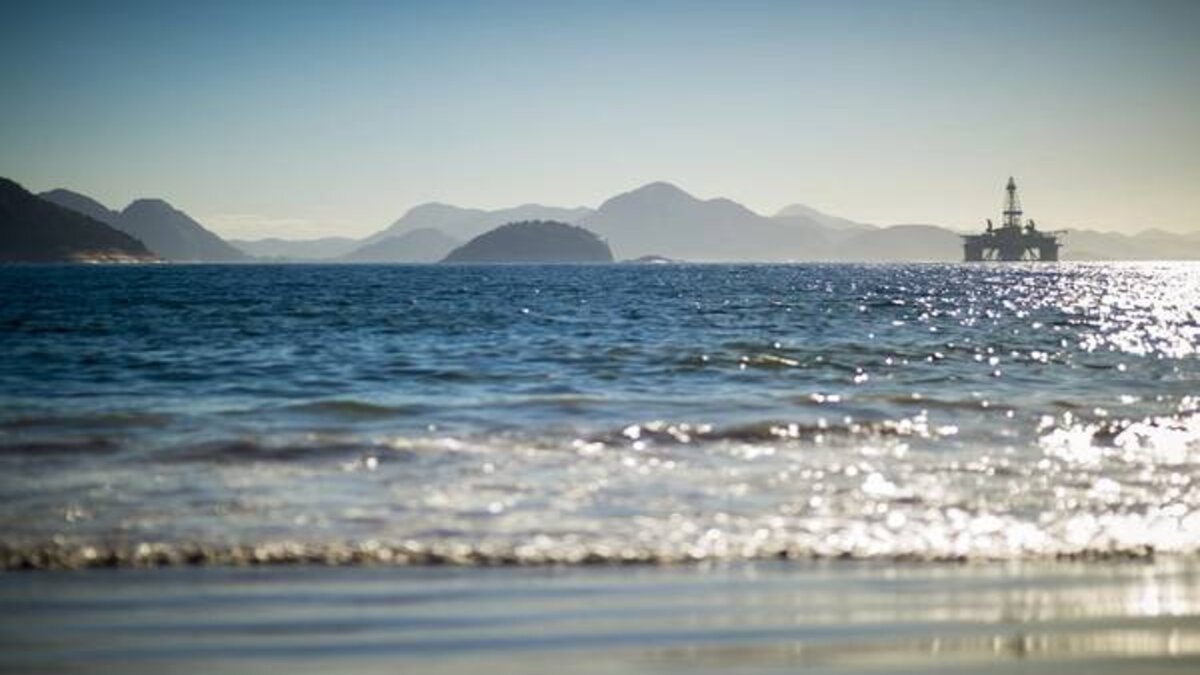
Petrobras Is Seeking Partnerships in the Oil Sector to Develop New Offshore Projects and Reduce Carbon Emissions.
This past Sunday, (15), the first Offshore Technology Conference (OTC) took place in Houston, United States. An event that could yield great benefits for oil and our country. The trend now is to launch projects aimed at reducing carbon levels that harm the environment. With this in mind, Petrobras is considering the possibility of increasing the production of cleaner oil to attract more partnerships.
Taking advantage of the event, meetings have already been scheduled with potential partners to discuss this matter. Among the big names in this sector, we can mention: ExxonMobil Corp, TotalEnergies, Ecopetrol, BP PLC, and Chevron Corp. Nothing has been officially announced yet; however, a positive outcome is expected to be shared soon.
Check Out More Interesting News:
What Is Petrobras’ Goal in Offshore Partnerships for Oil?
One of the projects that may occur is the development of oil fields in deeper waters, where low carbon technologies will be invested. These aim to reduce gas emissions that cause the greenhouse effect. According to Fernando Borges, director of E&P at Petrobras, “projects that produce less CO2 will be the last to go offline. This environment has made our new projects more attractive.”
-
Petrobras is expected to complete the drilling of the Morpho well in the Foz do Amazonas in August 2026, the first well in the Equatorial Margin, an oil frontier that the ANP estimates at more than 30 billion barrels and could redraw the map of Brazil.

-
Oil returns to the center of concerns with tension between the US and Iran

-
IEA reduces forecast for global oil demand in 2026 after impacts of the Middle East crisis

-
Bank of Japan raises interest rates to 1%, reaching the highest level in over three decades



Seeking to be attractive in the eyes of major companies, Brazil is investing heavily in offshore projects. One of them aims to operate on electricity platforms using low carbon, instead of fossil fuels.
With this modification alone, the platforms will reduce carbon dioxide emissions by 20%. And where there are deeper wells, with crude oil and lower sulfur content, Petrobras would produce a cleaner fuel.
Right after Guyana and Suriname managed to secure over 9 billion barrels of oil, Fernando Borges reveals that both countries are almost like a source of inspiration for these new projects on the way. However, there is a struggle for Petrobras to explore about 30 kilometers near the border of the countries.
Among the companies that could become partners in these projects, the best option according to Borges would be Exxon. However, if that doesn’t work, the range of options will still be open for others. The important thing is to close some offshore partnership.
The Importance of Low Carbon for Petrobras
The whole world is moving to mitigate the amount of carbon emitted from oil platforms. To avoid being targeted, many companies are migrating to areas where it’s possible to produce oil without emitting much carbon dioxide and with lower investments.
It is in this sector that our country is seeking to develop two major projects. Where both can pump about 150,000 barrels daily, using only 4 wells. Until 20 years ago, to achieve this amount, around 20 wells would be needed using their full capacity. Now, things seem to be flowing for the better, both environmentally and in terms of production.
Even though it seems like a high-level offshore project, investments need to be made so that it doesn’t remain just on paper. Therefore, this is one of the main reasons why Petrobras is seeking partners, as investment values in oil fields can reach up to US$ 6 billion.




Be the first to react!