






 Portuguese
  Spanish


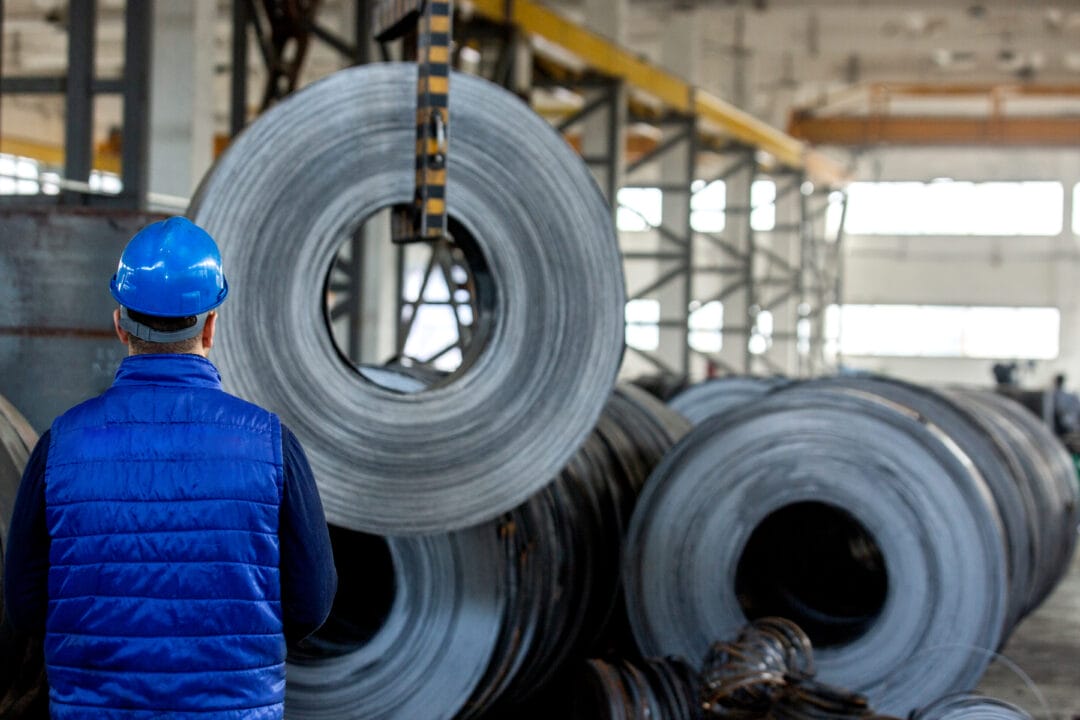
Steel Is Present in Various Areas of Operation and Is One of the Main Metals in the Market
National Steel Day, created by former President Getúlio Vargas on April 9, 1941, honors this metallic alloy fundamental to the development of societies and industries in various segments. Being a base product for the global economy with applications in construction, mining, agriculture, and transportation, steel is used in metal buildings, equipment for extracting and transporting minerals, agricultural machinery, and other sectors. Special steels, for example, those with high mechanical resistance, have already gained space in the market for their numerous benefits in applications, such as reducing the weight of equipment and, consequently, increasing productivity and load capacity, as well as generating savings in fuel consumption.
So important in various production chains, steel mills face the main challenge of minimizing environmental impacts in the segments in which they operate. Concerned with cleaner production in their manufacturing processes, the steel industry has engaged in contributing to sustainable development, using solutions and technological advances to reduce environmental impacts and promote the rational use of natural resources. Today, the steel manufacturing process occurs through the circular economy, which aims to reduce, reuse, and recycle materials and products, decreasing the amount of energy and raw materials used. According to data from the latest Sustainability Report, released by the Brazilian Institute of Steel, 57% of the energy consumption of steel mills was supplied by self-generation in 2017.
Among the main characteristics of steel, one that stands out is being 100% recyclable, meaning it is a sustainable product – it is possible to utilize all raw materials, which can be used in the manufacturing of new steel products without any loss of quality. In 2017 alone, 8.9 million tons of steel scrap were recycled.
-
10-Year-Old Max Makes History with Paris Fashion Show, Launches Own Brand, Hires Staff, and Sets World Record as Youngest Runway Designer

-
Bolivian Female Construction Workers Form Association to Combat Discrimination and 38% Pay Gap in the Industry

-
Near Amsterdam, residents buy land and discover they must also build streets, manage drainage, handle waste, and grow food on half their plot.
-
Without a mansion, without high investment, and without a traditional classroom, a teacher living in a 22 m² house taught students to build a 9 m² studio apartment with the equivalent of R$10,000.



Despite the sustainable advances achieved by the steel industry, the steel sector is still responsible for a considerable share of carbon dioxide emissions and the dependence on fossil fuels as raw materials, especially coal. It is estimated that approximately 7% of all carbon dioxide released into the atmosphere is produced by steel mills worldwide.
However, the solution to this issue is already close to being found. SSAB is already one of the steel companies with the highest efficiency regarding carbon emissions. It is set to revolutionize steel manufacturing based on iron ore, being the first in the world to provide steel that does not use fossil fuels to the market by 2026. By 2030, all SSAB production units will be able to provide steel produced without fossil fuels and, thus, significantly contribute to reducing environmental impacts.
SSAB Fossil-free™ steel is produced with the revolutionary HYBRIT® technology, which uses hydrogen instead of coal in the ore reduction process. This results in water being emitted instead of CO2.
Together with its customers, SSAB continuously works on upgrading materials and also on developing new applications with innovative designs. The benefits of using high-strength steels include weight reduction and increased service life of products, as well as increased fuel savings. All these benefits significantly contribute to the reduction of CO2 emissions into the environment.
The pathways to a clean, pollution-free, and sustainable energy planet are already charted. The future of steelmaking is green.




Be the first to react!