Portuguese
  Spanish


Wollemi Pine was rediscovered in 1994, near Sydney, and became a global symbol of biodiversity conservation.
A rare botanical discovery surprised the scientific community in Australia and revealed a species that seemed to have disappeared from Earth.
The Wollemi Pine, known by the scientific name Wollemia nobilis, was found alive in 1994, within a remote canyon of the Wollemi National Park, in the Blue Mountains, near Sydney.
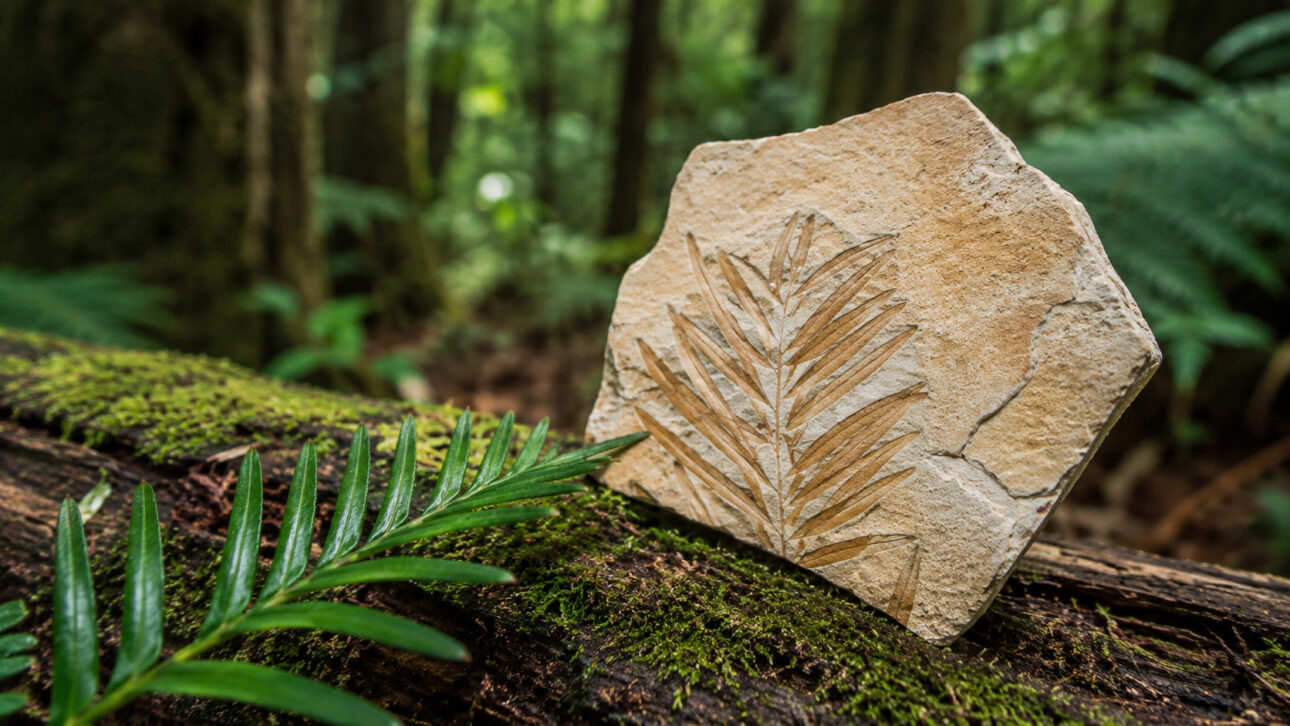
Before the rediscovery, the tree was known only from fossil records. According to the NSW National Parks and Wildlife Service, fossils associated with the species date back to about 91 million years.
-
Two Design Students from Brazil Turn Recycled Plastic into Fashionable Eyewear, Earning $10 Million in a Year

-
Self-Taught Brazilian Innovator Brings Solar Power to Shantytowns Using Scrap, Solar Panels, and Phone Batteries
-
Brazil Pioneers Innovative Project to Transform Used Baby Diapers into Sustainable Solutions for Schools and Cities
-
Cargo Ship Completes Historic Nighttime Voyage to Porto Alegre, Revolutionizing Large-Scale Navigation in Brazil After 42 Years




For this reason, the find has come to be regarded as one of the most impressive cases of a “living fossil” in modern botany.
Discovery in remote canyon changed the species’ history
The species was located in a deep, humid, and protected environment, surrounded by natural cliffs.
This isolation helped the pine survive away from human presence for centuries.
Moreover, the canyon’s geography acted as a natural fortress against strong winds, intense droughts, and environmental changes.
The exact location remains in absolute secrecy by Australian authorities.
This measure prevents unauthorized visits, habitat degradation, and soil contamination by external agents.
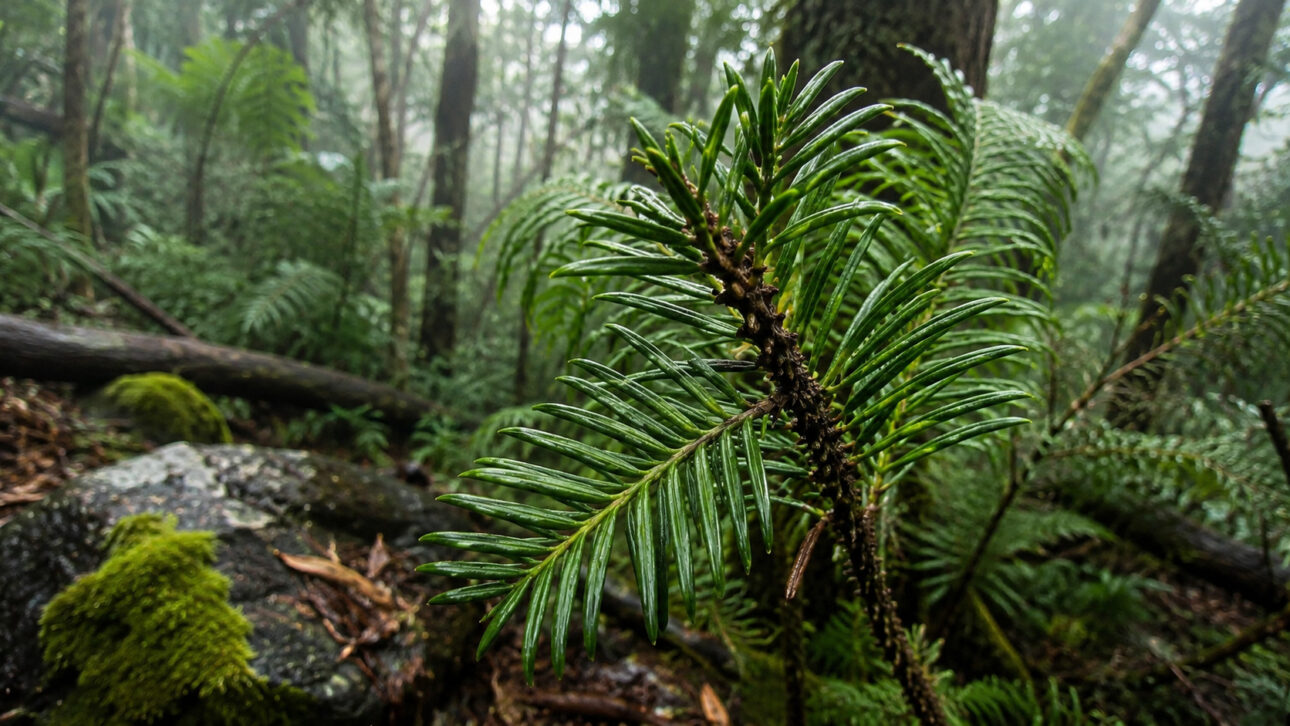
Why is the Wollemi Pine called a living fossil?
The title of living fossil arose because the tree exhibits characteristics very close to those observed in ancient fossils.
According to environmental agencies in Australia, the species was considered extinct in nature for millions of years.
The encounter with living specimens opened new possibilities to study plant resilience in the face of major climatic and geological transformations.
Among the most important points of the discovery are:
- Ancient origin: associated fossils date back to about 91 million years;
- Historical rediscovery: the species was found alive in 1994;
- Scientific name: named Wollemia nobilis;
- Isolated habitat: lives in remote canyons of Australia;
- Strict protection: the exact location is kept secret.
Rare ecosystem ensures tree survival
The surviving population lives in an isolated area of the Wollemi National Park, marked by steep gorges.
The canyon’s microclimate provides constant moisture and helps preserve the trees.
Additionally, the presence of groundwater and suitable soil favors the species’ development.
Without this natural refuge, the colony could have been affected by droughts, fires, and changes in the surrounding environment.
Therefore, scientists treat the location as an extremely sensitive botanical sanctuary.
Threats put the species at risk
Despite the isolation, the Wollemi pine still faces significant threats.
According to the Australian government’s recovery plan, fungi and pathogens present in the soil can affect the tree’s roots.
One of the risks mentioned is the fungus Phytophthora cinnamomi, capable of compromising sensitive plants.
Additionally, wildfires represent a constant threat in Australia.
An intense fire could reach the canyon and endanger an extremely rare population.
The main threats are:
- high-intensity wildfires;
- soil contamination by external fungi;
- unauthorized human visits;
- degradation of the natural habitat.
How Australia protects this natural heritage
Currently, Australian authorities maintain biosecurity actions, scientific monitoring, and controlled breeding.
These measures aim to protect the species’ genetic material and reduce pressure on the wild population.
Additionally, cultivated specimens are distributed to botanical gardens and specialized nurseries.
According to the Royal Botanic Garden Sydney, conservation programs help to expand the presence of the species outside its natural environment.
In this way, the Wollemi pine gains a greater chance of survival in the face of fires, diseases, and environmental changes.

What does this discovery represent for science?
The rediscovery of the Wollemi pine shows that nature still holds species capable of surprising science.
At the same time, the case reinforces the importance of conserving isolated areas, especially in regions with sensitive biodiversity.
For researchers, protecting this tree is preserving a living connection with Earth’s distant past.
After all, a species that has spanned millions of years now depends on vigilance, research, and preservation to continue existing.
Do you think secret natural areas should remain completely closed to the public to protect rare species like the Wollemi pine? Share your opinion!